Why India Is Socially Significant: The Power of Friendship and Connection
 Jun, 30 2026
Your Social Connection Score
Based on the article "Why India Is Socially Significant," this tool helps you assess the strength of your personal social fabric. Answer these questions honestly to see how well you embody the values of deep connection, radical hospitality, and active support.
Current Progress
Question 1 of 5Calculating...
Analysis
Your results are being generated...
Have you ever wondered why a conversation with someone from India feels different? It’s not just the accent or the spices in their kitchen. There is a deep, underlying current of warmth that hits you the moment you meet them. When we ask, "Why is India socially significant?" we aren’t talking about GDP charts or population statistics. We are talking about the invisible threads that bind people together-threads woven from centuries of tradition, shared struggles, and an unshakeable belief in the power of human connection.
In a world that often feels fragmented and digital, India stands out as a place where relationships are still the currency of life. This social fabric isn’t accidental. It’s built on specific cultural pillars that prioritize community over individualism, hospitality over convenience, and emotional depth over superficial interaction. If you want to understand the heart of this nation, you have to look at how its people treat each other, especially when it comes to friendship and belonging.
The Philosophy of 'Atithi Devo Bhava'
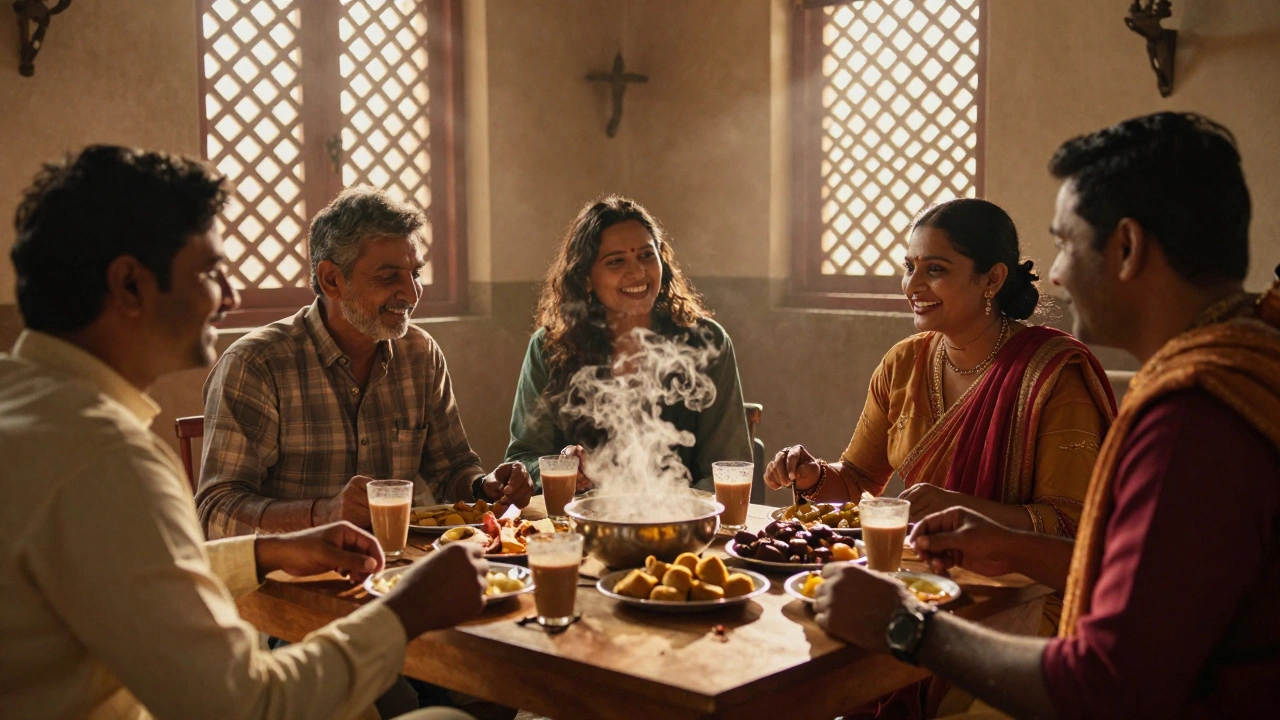
You cannot talk about Indian social significance without mentioning the phrase Atithi Devo Bhava. Translated simply, it means "The guest is equivalent to God." This isn’t just a polite slogan found in hotel lobbies; it is a lived reality for millions. When you visit a home in India, you are rarely treated as a stranger. You are fed before you are asked questions. You are offered water, tea, or food even if you haven’t finished explaining who you are.
This radical form of hospitality creates a unique social dynamic. It breaks down barriers instantly. In many Western cultures, there is a clear boundary between public space and private sanctuary. In India, that boundary is porous. A neighbor might drop by unannounced, not to intrude, but to share news, offer help, or simply sit and talk. This openness fosters a sense of collective security. No one is truly alone because the community acts as a safety net. For someone navigating life’s ups and downs, knowing that your neighbors genuinely care about your well-being provides a psychological stability that money cannot buy.
Friendship as a Lifeline
If hospitality is the door, friendship is the house. In India, friends are often referred to as chosen family. The concept of Indian friendship goes beyond hanging out or sharing hobbies. It involves a deep level of interdependence. Think about the last time you had a crisis. Did you call a friend to vent, or did you call a friend to fix it? In India, the expectation is often both.
There is a famous sentiment captured in countless friendship quotes India shares online: "A friend is one who knows you and loves you just the same." But in practice, it looks like this: A friend will travel three hours to bring you medicine when you’re sick. They will argue fiercely with your parents if they feel you are being treated unfairly. They will celebrate your success as if it were their own, with zero jealousy. This intensity can be overwhelming for outsiders, but for those inside the circle, it is incredibly comforting.
Consider the role of childhood friends, or "galli ke dost" (friends of the street). These are the people who grew up with you, saw your mistakes, and stayed anyway. In urban centers like Delhi or Mumbai, these bonds persist into adulthood. Even after moving abroad, Indians often maintain tight-knit groups where regular gatherings are non-negotiable. This continuity of relationship provides a sense of identity and grounding that is crucial in a fast-changing world.
The Joint Family: A Model of Community Living
While the nuclear family is becoming more common in cities, the joint family system remains a powerful social model. Multiple generations living under one roof-or in close proximity-create a micro-society. Grandparents raise grandchildren while parents work. Siblings support each other through career changes and marriages. This structure teaches empathy and compromise from a young age.
Living in such close quarters requires constant negotiation and understanding. You learn to read non-verbal cues. You learn to sacrifice personal comfort for group harmony. These skills translate into broader social interactions. An Indian raised in a joint family often excels in collaborative environments because they are accustomed to considering multiple perspectives. They understand that conflict is natural, but resolution is necessary. This ability to navigate complex interpersonal dynamics is a key part of India’s social capital.
Festivals as Social Glue
India is a land of festivals. From Diwali to Eid, from Holi to Christmas, there is always something to celebrate. But these aren’t just religious events; they are massive social reset buttons. During festivals, social hierarchies often blur. People invite neighbors of different faiths and castes to share meals. Business rivals exchange sweets. Strangers become acquaintances through community celebrations.
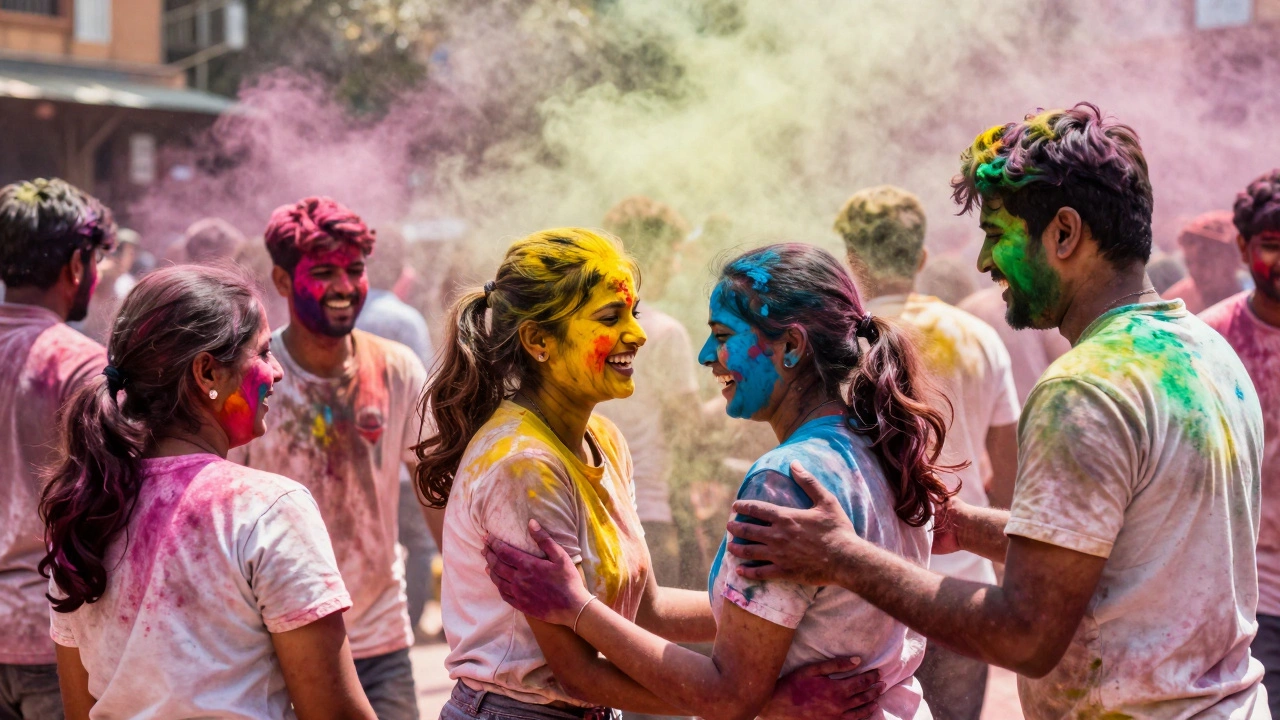
Holi, the festival of colors, is perhaps the best example of this social leveling. When everyone is covered in bright powders, status symbols disappear. CEOs play with interns. Elders joke with youth. It is a day dedicated to breaking social ice and repairing fractured relationships. If you had a fight with a friend, Holi is the traditional time to make up. The act of throwing color becomes a metaphor for washing away past grievances. This ritualistic reconciliation strengthens the social fabric, ensuring that minor conflicts don’t fester into long-term divisions.
Digital Age and Traditional Bonds
One might assume that technology has eroded these traditional bonds. After all, smartphones and social media are everywhere. However, in India, digital tools have actually amplified existing social structures. WhatsApp groups are not just for spamming links; they are the modern village square. Family groups coordinate logistics, share memories, and provide emotional support across continents. Neighborhood groups organize local initiatives, report issues, and arrange community events.
Social media also allows for the global spread of Indian values. When an Indian professional moves to London, New York, or Dubai, they carry these social norms with them. They host potlucks, organize Diwali parties, and maintain intense friendships. This diaspora influence introduces the rest of the world to the richness of Indian social life. It shows that high-tech societies can still be high-touch. You can code AI algorithms by day and still call your mother every evening to ask about her health. This balance is increasingly rare and valuable globally.

Challenges and Evolution
Of course, no social system is perfect. Urbanization has led to loneliness among the elderly. The pressure to conform can stifle individual expression. Gender roles within families are slowly shifting, causing friction as old traditions clash with new aspirations. Yet, the core resilience of Indian society lies in its adaptability. The community adjusts. New forms of support emerge. Online communities fill gaps left by physical distance. The essence remains: connection matters.
The significance of India socially is not just in its size, but in its density of human interaction. It reminds us that we are social animals who thrive on belonging. In a globalized era where isolation is a growing epidemic, the Indian model of prioritizing relationships offers a compelling alternative. It suggests that success is not measured solely by what you achieve, but by who you share it with.
Practical Takeaways for Building Stronger Bonds
You don’t need to live in India to adopt some of these principles. Here are a few ways to bring more of this social significance into your own life:
- Prioritize Hospitality: Invite people over. Cook for them. Don’t wait for a special occasion. A simple dinner can deepen a relationship more than years of casual texting.
- Be Present: When you are with friends, put the phone away. Listen actively. Ask about their lives, not just their updates.
- Celebrate Together: Create your own rituals. Whether it’s a monthly game night or an annual reunion, consistent shared experiences build memory banks that strengthen bonds.
- Offer Help Proactively: Don’t wait to be asked. If you know a friend is struggling, reach out. Offer specific help, like running errands or listening.
- Forgive Quickly: Like Holi, use moments of celebration or reflection to let go of grudges. Holding onto anger hurts you more than anyone else.
What makes Indian friendships different from Western ones?
Indian friendships tend to be more intense and interdependent. While Western friendships may focus on shared activities or interests, Indian friendships often involve deep emotional and practical support, resembling family ties. Friends are expected to be involved in major life decisions and crises.
How does the joint family system impact social behavior?
Growing up in a joint family teaches individuals to value consensus, empathy, and compromise. It fosters a strong sense of responsibility towards others and reduces self-centeredness, leading to more cooperative social interactions in professional and public settings.
What is the role of festivals in Indian social life?
Festivals act as social glue, bringing together diverse groups of people. They provide opportunities for reconciliation, community bonding, and breaking down social barriers. Events like Holi and Diwali encourage inclusivity and shared joy, reinforcing community ties.
Can the concept of 'Atithi Devo Bhava' be applied outside India?
Absolutely. Treating guests with utmost respect and generosity can transform any household into a welcoming space. It encourages openness, builds trust, and creates a culture of hospitality that strengthens neighborhood and community relationships globally.
How has technology changed Indian social connections?
Technology has amplified rather than replaced traditional bonds. Platforms like WhatsApp enable real-time communication across distances, maintaining family and friend networks despite geographical separation. Digital tools facilitate community organization and keep cultural practices alive in the diaspora.