Who is the Oldest Poet in India? The Surprising Truth About Valmiki
 Feb, 6 2026
Indian Poet Timeline Calculator
Discover India's Greatest Poets
Compare the time periods, works, and contributions of India's most influential poets. Select a poet to see their historical significance.
Poet Selection
Poet Profile
Valmiki
Time Period: 7th-4th century BCE
Major Works
Ramayana (24,000 verses)
Key Contributions
First human poet (Adikavi); established shloka meter; founded Sanskrit epic tradition
Why Valmiki is the Oldest Poet: While the Vedas are older (1500 BCE), they are considered divine revelations (apauruṣeya). Valmiki is the first human poet who consciously created poetry based on his experiences.
When people ask who the oldest poet in India is, many guess famous names like Kalidasa or Tulsidas. But the real answer takes us back to ancient times and a figure known as Valmiki, the Adikavi or first poet of Sanskrit literature. His epic, the Ramayana, shaped Indian culture for thousands of years. Yet, Valmiki wasn't always a revered sage-he had a dramatic past that led him to poetry.
Valmiki's Journey from Robber to Sage
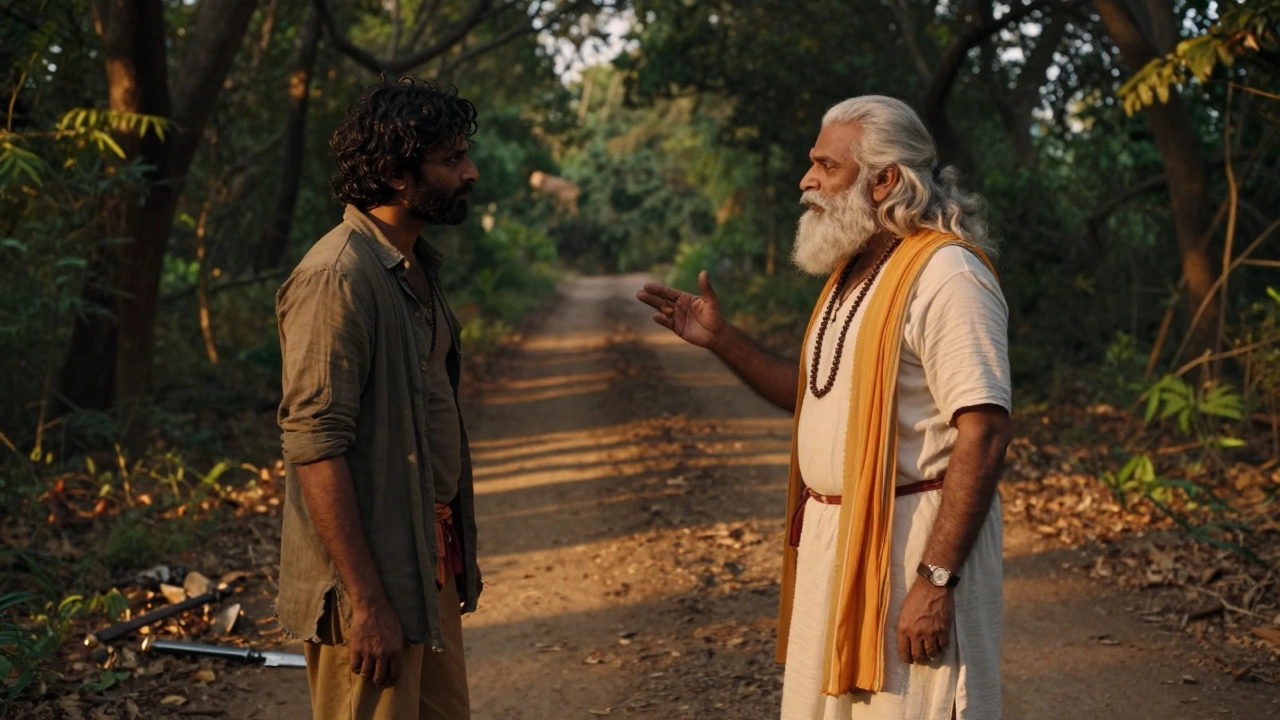
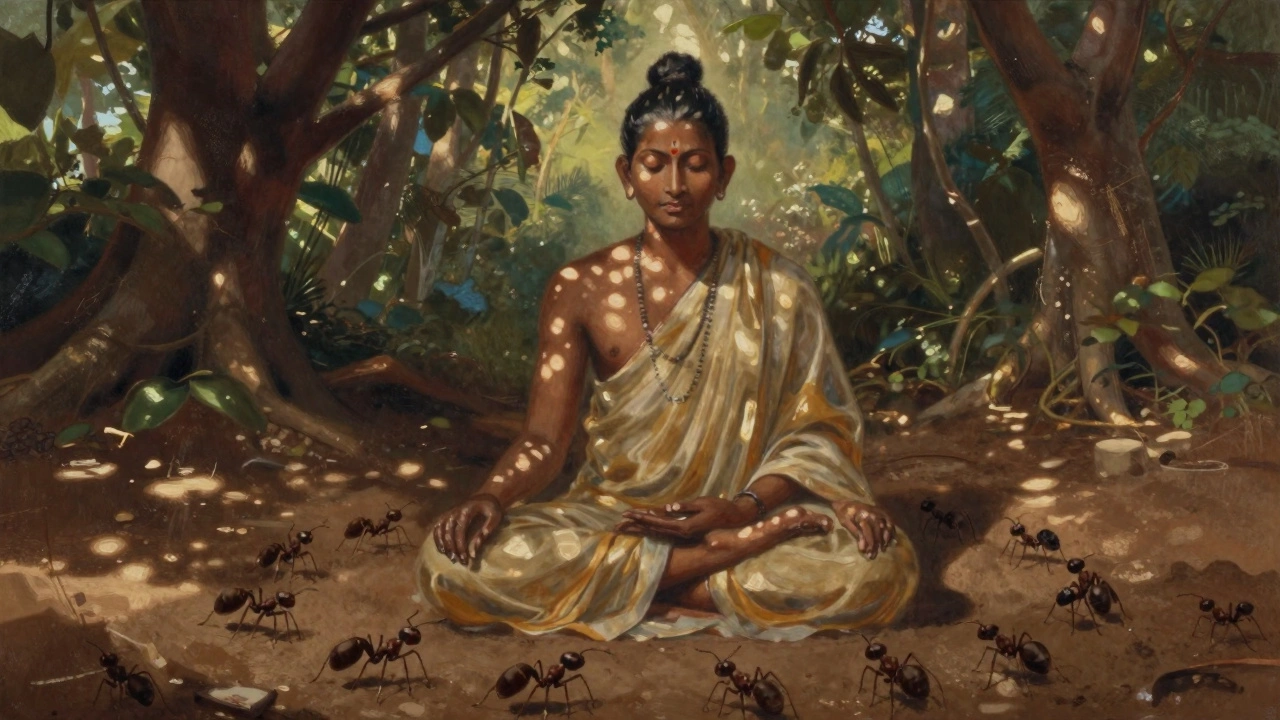
Valmiki's original name was Ratnakar. He lived as a highway robber, preying on travelers. One day, the sage Narada came across him. When Narada asked if Ratnakar's family would share his sins, Ratnakar realized his wife and children would not. This moment of clarity changed everything. He began meditating intensely, so deeply that ants built a mound around him. The gods saw this and named him Valmiki, meaning "ant-hill" in Sanskrit. His transformation from a thief to a sage is one of the most powerful stories of redemption in Indian history.
The Ramayana: A Literary Masterpiece
Ramayana is an epic poem of 24,000 verses composed by Valmiki. It tells the story of Prince Rama, his exile, and his battle to rescue his wife Sita from the demon king Ravana. The Ramayana isn't just a story-it's a guide to dharma (righteousness), family duty, and moral choices. It's so influential that it's been retold in countless languages across South and Southeast Asia. The poem uses the shloka meter, which became the standard for Sanskrit epics.
Valmiki vs. The Vedas: Why He's Considered the First Human Poet
Some might wonder: aren't the Vedas older than Valmiki? Yes, the Vedas are ancient sacred texts dating back to around 1500 BCE. But there's a key difference. The Vedas are considered divine revelations, not composed by any human. They're apauruṣeya (not of human origin). Valmiki, however, is the first human poet. He consciously created poetry based on his experiences and insights. This distinction is why he's called the Adikavi-the first poet in the human sense.
Other Ancient Poets and How Valmiki Compares
Many poets followed Valmiki. Vyasa wrote the Mahabharata around the 4th century BCE. Kalidasa lived in the 4th-5th century CE and is known as the greatest Sanskrit poet. Tulsidas wrote the Ramcharitmanas in the 16th century. But Valmiki's work set the foundation. His use of shloka meter influenced all later Sanskrit poetry. Without Valmiki, Indian literature might have looked very different.
| Poet | Time Period | Major Works | Contribution |
|---|---|---|---|
| Valmiki | 7th-4th century BCE | Ramayana | First human poet; established shloka meter |
| Vyasa | 4th century BCE | Mahabharata | Compiled Vedas; authored the epic |
| Kalidasa | 4th-5th century CE | Abhijnanasakuntalam, Meghaduta | Greatest Sanskrit poet; known for lyrical style |
| Tulsidas | 16th century CE | Ramcharitmanas | Popularized Ramayana in vernacular Hindi |
Valmiki's Legacy Today
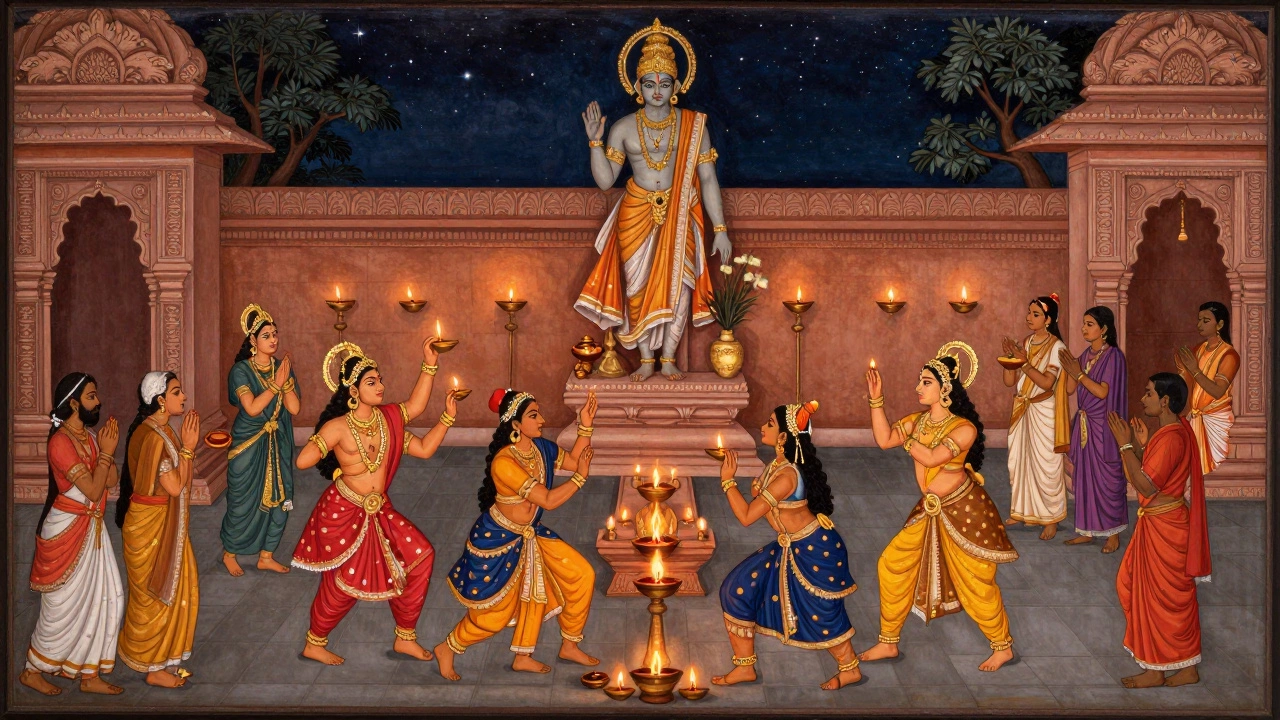
Valmiki's impact is everywhere in modern India. His Ramayana is still read during festivals like Diwali and Ram Navami. Temples across the country celebrate his work. The Ramayana has inspired films, plays, and even modern novels. In fact, the Indian government awards the "Valmiki Award" for contributions to literature. His story of redemption reminds people that change is always possible. For centuries, Valmiki's words have guided millions on the path of righteousness.
Was Valmiki a real person or a mythical figure?
Valmiki is considered a historical figure, though details of his life are partly legendary. Ancient texts like the Ramayana itself and later commentaries reference him. His story of transformation from a robber to a sage is well-documented in Indian tradition. While some aspects may be mythologized, scholars agree he was a real poet who shaped early Sanskrit literature.
Why is Valmiki called the Adikavi?
Adikavi means "first poet" in Sanskrit. Valmiki earned this title because he was the first human to compose poetry in the shloka meter. Before him, the Vedas existed, but they were considered divine revelations, not human-created works. Valmiki's conscious creation of the Ramayana set a precedent for all subsequent Sanskrit poetry, making him the foundational figure of Indian literary tradition.
How does the Ramayana differ from the Vedas?
The Vedas are ancient sacred texts believed to be divine revelations, not composed by any human. They form the foundation of Hindu philosophy and rituals. The Ramayana, on the other hand, is a human-composed epic narrative about Prince Rama. While the Vedas are more ritualistic and philosophical, the Ramayana is a story with characters, plot, and moral lessons. Valmiki's work is part of the Itihasa (history) tradition, whereas the Vedas belong to the Shruti (revealed) category.
What is the shloka meter, and why is it important?
The shloka meter is a specific poetic structure used in Sanskrit epics. Each shloka consists of two lines (padas), with 32 syllables total. This meter became the standard for Sanskrit poetry after Valmiki. It's important because it allowed for rhythmic storytelling that was easy to memorize and recite. The Ramayana and Mahabharata both use this meter, making it a cornerstone of Indian literary tradition.
How did Valmiki's story influence modern Indian culture?
Valmiki's journey from thief to sage is a universal tale of redemption. His Ramayana remains a cultural touchstone, with performances, festivals, and adaptations across India and beyond. The story's themes of duty, loyalty, and justice resonate deeply. Modern authors, filmmakers, and artists continue to draw inspiration from his work. Even the Indian government honors literary contributions with the Valmiki Award, keeping his legacy alive in contemporary society.