Who is the Best Female Poet Ever? A Look at India's Literary Giants
 Jul, 10 2026
Ask ten people who the best female poet in history is, and you will likely get ten different answers. Is it Sappho, whose fragments from ancient Greece still define lyric poetry? Is it Emily Dickinson, who changed American verse with her quiet intensity? Or, given our focus on the rich literary tapestry of South Asia, are we looking for a voice that resonates through the streets of Delhi or the villages of Kerala?
The question of "who is the best" is inherently subjective. Poetry is not a sport with measurable stats; it is an emotional experience. However, when we look at impact, innovation, and the ability to give voice to the silenced, a few names rise above the rest. In the context of Indian literature, both classical and modern, the landscape is dominated by women who didn't just write poems-they rewrote the rules of society.
The Mother of the Nation: Sarojini Naidu
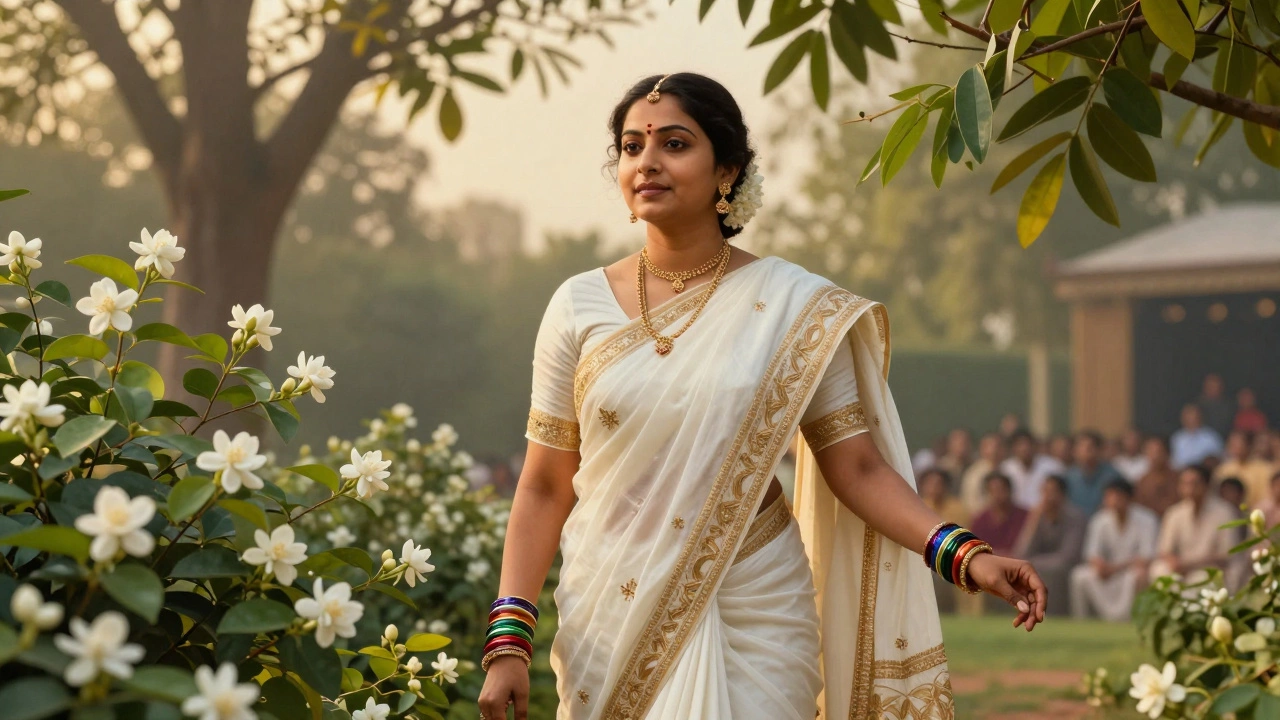
If you ask anyone in India about famous poets, Sarojini Naidu is often the first name that comes to mind. Known as the 'Nightingale of India', she was not just a poet but a pivotal figure in the Indian independence movement. Her work bridges the gap between traditional Indian poetic forms and English Romanticism.
Naidu’s poetry is characterized by its musicality and vivid imagery. She wrote about love, nature, and patriotism with a grace that felt timeless. When she wrote "The Bangle Sellers," she wasn't just describing jewelry; she was capturing the essence of femininity and cultural identity. Her collection The Bird of Time remains a staple in school curricula across the country. For many, she represents the ideal of the patriotic artist-someone who uses beauty to inspire political change. If your definition of "best" includes national influence and lyrical elegance, Naidu is hard to beat.
The Rebel Voice: Kamala Das
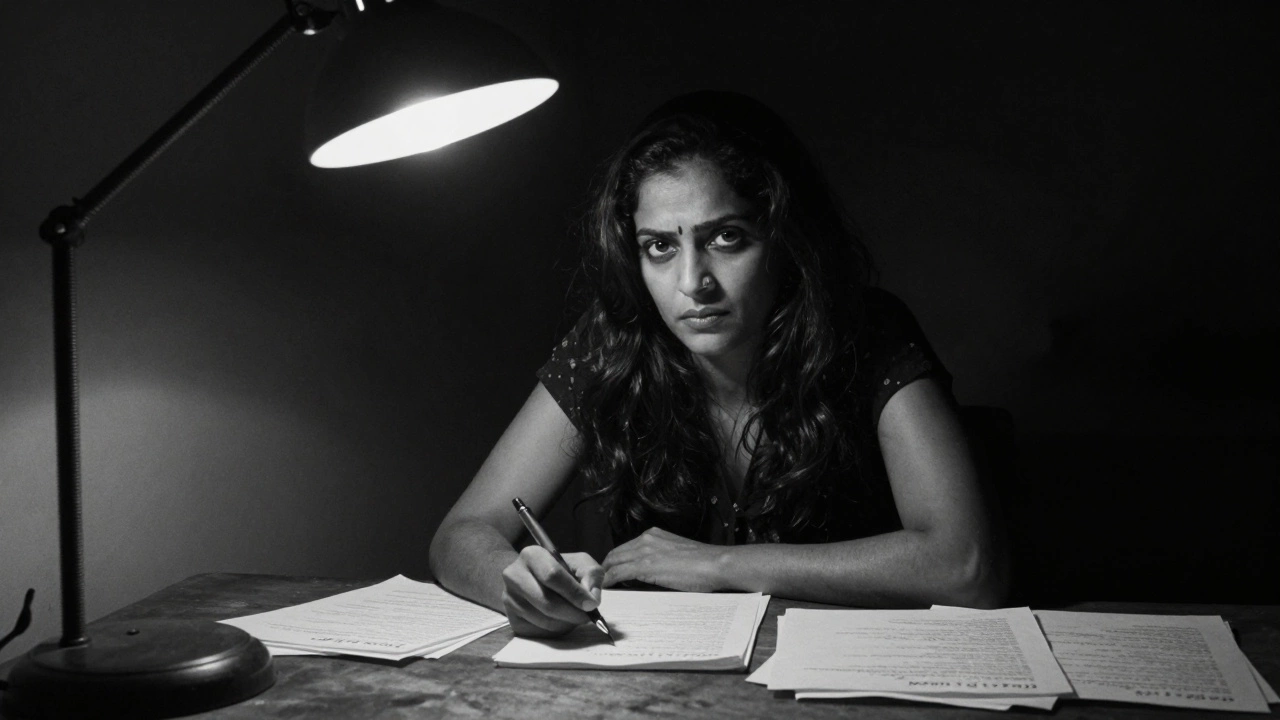
While Sarojini Naidu sang of bangles and birds, Kamala Das screamed about desire, loneliness, and the female body. Writing under the pen name Madhavikutty, she revolutionized Indian English poetry in the mid-20th century. Before Das, much of Indian poetry, especially by women, adhered to strict social norms. Das tore those norms apart.
Her poem "My Mother at Sixty-Six" is taught in schools worldwide because it captures the universal pain of aging parents with raw honesty. But it is her more controversial works that cement her status. She spoke openly about sexual frustration, marital dissatisfaction, and the search for self-identity outside of motherhood and wifely duties. This was radical in 1960s India. Das proved that poetry could be confessional, ugly, beautiful, and deeply personal all at once. If "best" means breaking barriers and giving voice to taboo subjects, Kamala Das is the undisputed champion.
The Classical Masters: Mirabai and Akka Mahadevi
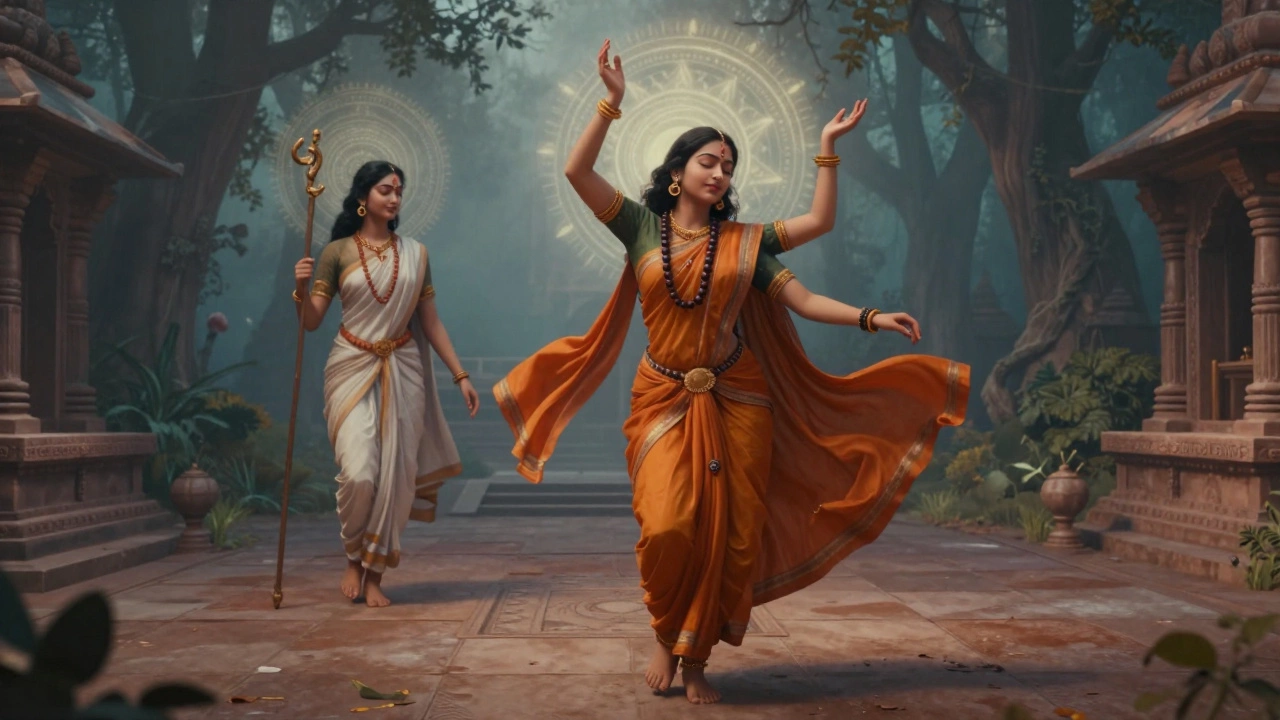
To understand the depth of female poetry in India, we must look back centuries. Mirabai was a 16th-century Rajput princess who abandoned royal life to pursue devotion to Lord Krishna. Her bhajans (devotional songs) are not just religious texts; they are powerful expressions of rebellion against patriarchal authority. She chose divine love over earthly duty, and her verses reflect that fierce independence.
Similarly, Akka Mahadevi a 12th-century Lingayat saint from Karnataka, wrote Vachanas (free verse compositions) that challenged caste systems and gender roles. She famously refused marriage, stating that her only husband was Shiva. Her poetry is direct, intense, and spiritually charged. These women were writing long before feminism existed as a term, yet their work embodies the core feminist principle of bodily and spiritual autonomy.
Modern Voices: Jhumpa Lahiri and Beyond
In contemporary times, the definition of a poet expands. While Jhumpa Lahiri is primarily known as a novelist, her prose has a poetic rhythm that has influenced a generation of writers. However, if we stick strictly to poetry, figures like Meena Kandasamy have emerged as powerful voices addressing caste, gender, and politics. Her poetry is sharp, angry, and necessary. It reflects the current socio-political climate of India, showing that the tradition of protest poetry started by Das continues today.
There is also the global perspective. Many Indian-born poets write in English or other languages abroad, blending cultures. Their work adds layers of complexity to the conversation, exploring diaspora, identity, and belonging. The "best" poet today might be someone you haven't heard of yet, posting on Instagram or publishing in small literary journals.
Why It's Hard to Pick Just One
Picking a single "best" female poet is like asking which color is the most important in a rainbow. Each poet serves a different purpose:
- Sarojini Naidu offers melody and national pride.
- Kamala Das provides psychological depth and liberation.
- Mirabai delivers spiritual fervor and defiance.
- Akka Mahadevi presents philosophical rigor and social critique.
Your preference depends on what you seek in poetry. Do you want comfort? Inspiration? Shock? Reflection? The great thing about Indian poetry is that it has room for all of these emotions. Women have always been at the forefront of this tradition, using words to navigate a world that often tried to silence them.
| Poet | Era | Key Theme | Notable Work |
|---|---|---|---|
| Sarojini Naidu | 1879-1949 | Patriotism, Nature | The Bird of Time |
| Kamala Das | 1934-2009 | Desire, Identity | My Story |
| Mirabai | 1498-1547 | Devotion, Rebellion | Mirabai Bhajans |
| Akka Mahadevi | c. 1130-1160 | Spirituality, Social Norms | Vachanas |
How to Find Your Favorite
Instead of searching for a definitive ranking, try reading one poem from each of these women. Start with Naidu’s "Palanquin Bearers" for its rhythmic beauty. Then move to Das’s "An Introduction" to feel the raw emotion. Finally, read a translation of Mirabai’s bhajans to experience spiritual intensity. You might find that your favorite changes depending on your mood. That is the power of great poetry-it grows with you.
The legacy of female poets in India is not just about words on a page. It is about survival, expression, and transformation. They turned personal pain into public art, and in doing so, gave us tools to understand our own lives better. Whether you are a student, a casual reader, or a fellow writer, there is a voice here waiting to speak to you.
Who is considered the greatest female poet in Indian history?
There is no single answer, but Sarojini Naidu is widely celebrated as the 'Nightingale of India' for her lyrical contributions and role in the freedom struggle. Kamala Das is equally revered for revolutionizing modern Indian English poetry with her confessional style.
What makes Kamala Das's poetry so significant?
Kamala Das broke societal taboos by writing openly about female desire, sexuality, and domestic dissatisfaction. Her work gave voice to the inner lives of women that were previously ignored or suppressed in Indian literature.
Are there any ancient female poets from India?
Yes, Mirabai (16th century) and Akka Mahadevi (12th century) are prominent examples. Both used poetry as a form of spiritual devotion and social rebellion, challenging the gender norms of their respective eras.
Which book should I start with if I want to read Indian female poets?
For a beginner, "The Golden Threshold" by Sarojini Naidu is accessible and beautiful. For a more intense experience, try "My Story" or selected poems by Kamala Das. Both offer distinct but valuable perspectives on womanhood in India.
Did Sarojini Naidu write in Hindi or English?
Sarojini Naidu wrote primarily in English, though she was fluent in several Indian languages including Telugu, Urdu, and Bengali. Her English poetry was influenced by Romantic poets like Keats and Shelley.