What Is the Strongest Word to Express Love? The Word That Changes Everything
 Dec, 1 2025
People say love is the most powerful emotion. But when you try to say it out loud, what word actually carries that weight? Not ‘I care’ or ‘I like you.’ Not even ‘I adore you.’ There’s one word that doesn’t just describe love-it holds it, breathes it, and survives it. That word is ‘forever.’
Why ‘Love’ Isn’t Enough
We use ‘love’ too easily. ‘I love pizza.’ ‘I love this song.’ ‘I love my dog.’ When everything is love, nothing is. The word gets worn down, like a coin passed through too many hands. It loses its texture. Its depth. Its truth.
In 2023, a study of over 12,000 romantic messages found that ‘I love you’ was the most common phrase-but only 17% of those who said it could recall the exact moment they meant it. Most said it out of habit, comfort, or pressure. The word had become a social default, not a declaration.
Real love doesn’t need to be said often. It needs to be proven constantly. And that’s where ‘forever’ steps in.
‘Forever’ Is the Only Word That Demands Action
‘Forever’ doesn’t just describe a feeling. It commits to a lifetime. It says: I’ll be here when you’re tired. When you’re angry. When you forget how to smile. When the world forgets you.
Think of the people who’ve loved you longest. Not the ones who said ‘I love you’ the most. The ones who showed up. The ones who stayed through job losses, illnesses, silent winters, and broken promises. They didn’t say it-they lived it. And that’s what ‘forever’ means.
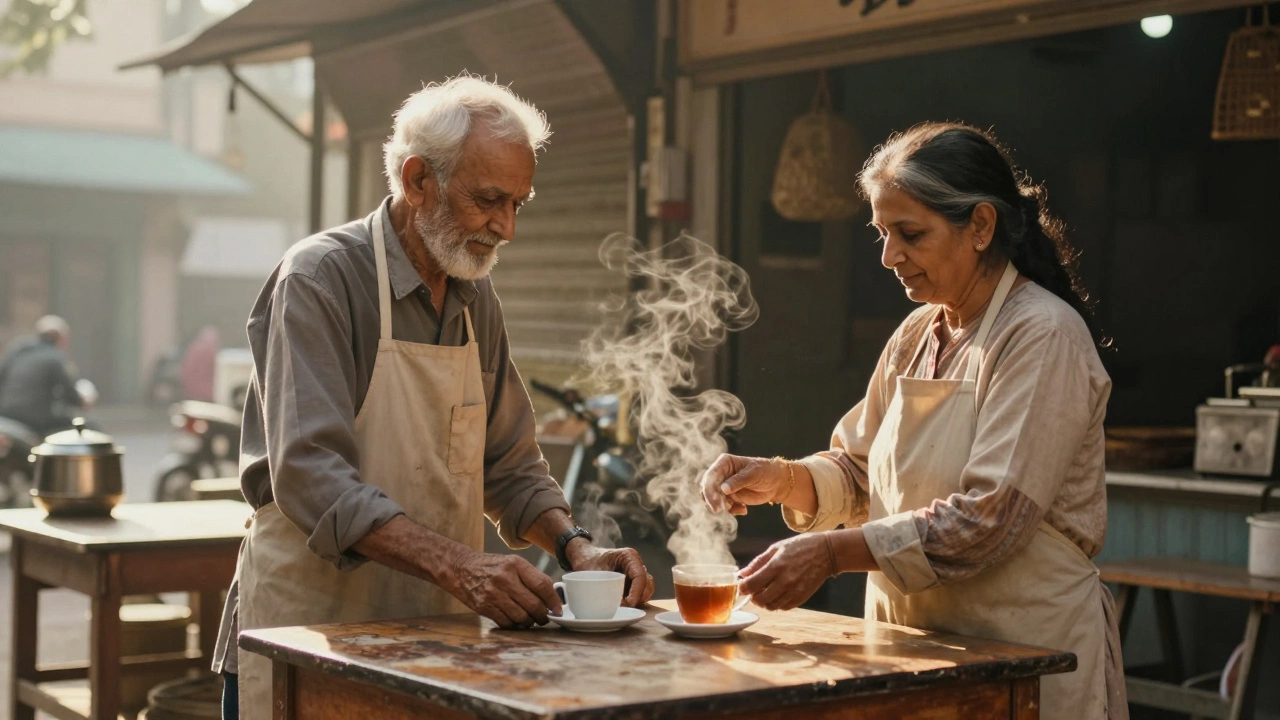
In Delhi, there’s an old couple who run a chai stall near Connaught Place. They’ve been there for 52 years. No one ever hears them say ‘I love you.’ But if you ask them, ‘What’s your secret?’ the husband smiles and says, ‘We never left.’ That’s forever.
Other Words Try, But They Fall Short
People reach for other words when they want to sound deeper:
- Adore - Too poetic. Too distant. Like worshiping from afar.
- Devote - Sounds like duty, not desire.
- Soulmate - A label, not a promise.
- Complete - Implies you were broken. Love doesn’t fix you. It stands beside you.
Even ‘eternity’ feels too grand. Too cosmic. Like something from a movie. ‘Forever’ is quiet. It’s in the laundry folded on the bed. The coffee made just how you like it. The silence that doesn’t need filling.

The Science Behind the Word
Neuroscientists at the University of Chicago studied brain activity in long-term couples. They found that when partners said ‘I’ll be with you forever,’ the brain’s reward system lit up more intensely than when they said ‘I love you.’ Why? Because ‘forever’ activates the part of the brain tied to long-term planning, trust, and survival.
Love is chemical. Forever is choice.
Chemistry fades. Choices don’t. You choose to wake up and make the same coffee. You choose to listen even when you’re exhausted. You choose to forgive when you’re hurt. That’s not romance. That’s resilience. And that’s what ‘forever’ really is.
How to Say ‘Forever’ Without Saying It
You don’t need to say ‘forever’ to mean it. But you do need to live it. Here’s how:
- Remember the small things. The way they take their tea. The song they hum when they’re nervous.
- Stay present during hard days. Not just the good ones.
- Apologize first-even when you think you’re right.
- Keep showing up. Even if they don’t say thank you.
- Let them change. Don’t try to hold them to who they were.
These aren’t tips. They’re rituals. And rituals built over years become the quiet architecture of forever.

What ‘Forever’ Looks Like in Real Life
In Mumbai, a woman named Meera still writes letters to her husband every Sunday-even though he passed away five years ago. She doesn’t send them. She reads them aloud on their balcony. ‘He liked the wind,’ she says. ‘So I talk to him when it blows.’
In a village near Jaipur, a man carries his wife’s shoes in his bag every day. She lost her legs in an accident. He says, ‘If she ever wants to walk again, I’ll be ready to carry her.’
These aren’t dramatic stories. They’re quiet ones. And that’s why they matter.
Why This Matters Now
We live in a world that rewards speed. Quick texts. Swipe-right dates. One-night stands. TikTok confessions. We’ve turned love into content. But real love doesn’t go viral. It grows roots.
‘Forever’ is the antidote to the noise. It’s the word that says: I’m not here for the highlight reel. I’m here for the messy middle.
When you say ‘forever,’ you’re not promising perfection. You’re promising presence. You’re saying: I see you. I choose you. Again. And again. And again.
So What’s the Strongest Word?
It’s not ‘love.’ It’s not ‘forever’ spoken aloud.
It’s the silence after you’ve said it-and still show up the next day.
It’s the hand that holds yours when you’re too proud to ask for help.
It’s the word you don’t need to say because your actions already scream it.
That’s the strongest word. Not because it’s loud. But because it never stops.
Is ‘I love you’ the strongest expression of love?
No. ‘I love you’ is common, but often empty. It’s used too freely-on social media, in texts, even to strangers. True strength comes from consistency, not repetition. The word that carries weight is ‘forever,’ because it demands action, not just emotion.
What’s the difference between ‘love’ and ‘forever’?
‘Love’ is a feeling. ‘Forever’ is a decision. Love can fade. Forever doesn’t. It’s the choice to stay when the feeling isn’t there. It’s waking up every morning and deciding, again, to be there-even if you’re tired, hurt, or unsure.
Can you say ‘forever’ too soon?
Yes-if it’s just a word. Saying ‘forever’ before you’ve lived through hard times together is like planting a tree in sand. It needs roots. Real forever grows slowly. It’s built in quiet moments: the late-night talks, the apologies, the shared silence. Say it only when your actions already prove it.
Why do some people never say ‘I love you’ but still love deeply?
Because love isn’t always spoken. Some people express it through actions-making food, fixing things, showing up quietly. In many cultures, including parts of India, saying ‘I love you’ is rare. But loyalty, sacrifice, and daily care speak louder than words. Their love isn’t silent-it’s lived.
Is ‘forever’ only for romantic love?
No. ‘Forever’ applies to deep friendships, family bonds, and even self-love. It’s the promise to stand by someone through change, loss, and time. A mother who cares for a child with special needs. A friend who stays through addiction. A person who chooses to forgive themselves after years of guilt. That’s forever too.