What is the Perfect Attitude? A Guide to Mindset and Confidence
 May, 22 2026
Mindset & Attitude Self-Assessment
1. When you fail at a significant task, what is your immediate internal reaction?
2. How do you handle constructive criticism from a colleague?
3. You have a difficult challenge ahead that you aren't sure you can solve. What do you say?
4. How do you perceive your social circle's impact on you?
5. What is your approach to long-term goals?
Actionable Advice:
Have you ever met someone who just seems to glow? Not because of their clothes or their bank account, but because of how they carry themselves. They walk into a room with a quiet confidence that makes everyone else sit up and take notice. You might call it charisma, but at its core, it is simply a perfect attitude. It is not about being arrogant or loud. It is about having a steady inner compass that does not waver when life gets tough.
In our fast-paced world, especially in bustling cities like Delhi where stress is part of the daily commute, maintaining this balance feels almost impossible. We get caught up in traffic, deadlines, and the endless noise of social media. But the people who truly succeed are those who have mastered their internal dialogue. They understand that attitude is not something you are born with; it is a muscle you build every single day. If you are looking for resources to help organize your life and find clarity amidst chaos, sometimes checking out external tools like this directory can offer a different perspective on how structured information helps us navigate complex choices, though here we focus on the mental framework rather than physical services.
The Core Components of a Winning Mindset
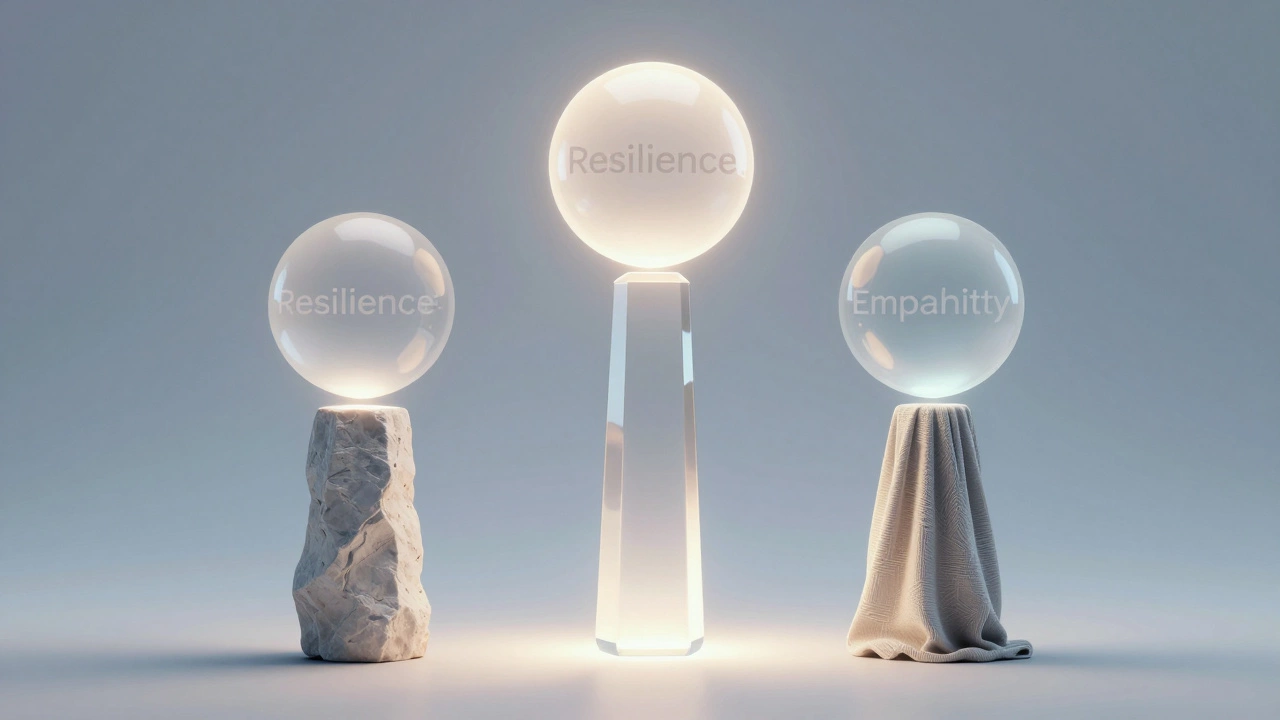
So, what exactly makes an attitude "perfect"? It is rarely one single trait. Instead, it is a combination of resilience, self-awareness, and empathy. Think of it as a tripod. If one leg is missing, the whole structure falls over.
First, there is resilience. This is the ability to bounce back from failure without losing your sense of self-worth. When you fail, a person with a poor attitude blames others or gives up entirely. A person with a strong attitude analyzes what went wrong, learns from it, and tries again. They see failure as data, not as a definition of their character.
Second, there is self-awareness. You need to know your triggers. Do you get angry when you are hungry? Do you feel insecure when someone criticizes your work? Knowing these patterns allows you to manage them before they spiral out of control. Self-awareness is the foundation of emotional intelligence. It allows you to pause between a stimulus and your response, giving you the power to choose how you react.
Third, there is empathy. This might seem counterintuitive when talking about "attitude," which often implies toughness. However, true strength includes understanding others. When you can see things from another person's perspective, you reduce conflict and build stronger relationships. An attitude that lacks empathy is just arrogance in disguise.
Why Your Environment Shapes Your Perspective
You cannot ignore the role your surroundings play in shaping your mindset. In India, we often talk about "sanskars" or impressions left by our environment. If you surround yourself with negative people, constant complaining will become your default setting. Conversely, if you spend time with optimistic, driven individuals, their energy becomes contagious.
Consider the concept of osmosis. Just as a sponge absorbs water, your mind absorbs the attitudes of those around you. Look at your five closest friends. Are they focused on problems or solutions? Do they complain about their jobs, or do they discuss ways to improve their careers? The answer tells you a lot about where your own attitude is heading.
This is why curating your input is crucial. It goes beyond just people. It includes the news you read, the podcasts you listen to, and even the social media accounts you follow. If your feed is filled with outrage and negativity, your brain will start to perceive the world as a hostile place. Switching to content that inspires learning and growth can dramatically shift your baseline mood within weeks.
Practical Steps to Adjust Your Daily Attitude
Knowing what a good attitude looks like is one thing; building it is another. Here are practical, actionable steps you can start using today:
- Practice Gratitude Journaling: Every night, write down three specific things that went well during the day. They don't have to be huge achievements. A good cup of chai, a kind word from a stranger, or finishing a task early all count. This trains your brain to scan for positives instead of negatives.
- The "Yet" Technique: When you face a challenge, add the word "yet" to your internal monologue. Instead of saying "I can't do this," say "I can't do this yet." This simple linguistic shift opens the door to future possibility and reduces immediate anxiety.
- Control Your Inputs: Audit your social media. Unfollow accounts that make you feel inadequate or angry. Follow accounts that teach you skills or inspire you. Treat your attention like currency-spend it wisely.
- Physical Movement: There is a direct link between physical state and mental state. A twenty-minute walk or a quick yoga session can reset your nervous system. It is hard to hold onto anger or frustration when your body is engaged in movement.
- Mindful Pausing: Before reacting to a stressful email or comment, take three deep breaths. This brief pause activates your parasympathetic nervous system, allowing you to respond thoughtfully rather than react impulsively.
The Difference Between Confidence and Arrogance
A common misconception is that a "perfect attitude" means being the loudest person in the room. Many people confuse confidence with arrogance. Let’s clear that up once and for all.
Arrogance stems from insecurity. It is a defense mechanism used to hide feelings of inadequacy. Arrogant people need constant validation. They interrupt others, brag excessively, and dismiss different viewpoints. Their attitude pushes people away.
Confidence, on the other hand, is quiet. Confident people do not need to prove anything to anyone. They listen more than they speak. They are comfortable with silence and uncertainty. They acknowledge their mistakes openly because they know their worth is not tied to being perfect. This distinction is vital. If you are trying to project an image of superiority, you are likely working harder than necessary. True confidence is effortless because it is based on reality, not fantasy.
| Aspect | Arrogance | Confidence |
|---|---|---|
| Source | Insecurity / Fear | Self-Knowledge / Competence |
| Listening | Interrupts frequently | Listens actively |
| Feedback | Defensive / Rejects | Open / Learns |
| Impact on Others | Intimidates / Alienates | Empowers / Inspires |
Navigating Criticism Without Losing Your Cool
No matter how positive your attitude is, you will face criticism. It is inevitable. The test of your mindset is not whether you get criticized, but how you handle it. Most people have two default reactions: fight or flight. You either get defensive and argue back, or you shut down and withdraw. Both are unhelpful.
The third option is curiosity. When someone criticizes you, ask questions. "Can you give me an example of when I did that?" or "What would you suggest I do differently?" This approach disarms the critic and turns a potentially hostile interaction into a constructive conversation. Even if the criticism is unfair, asking for clarification forces the other person to articulate their points logically, which often reveals the lack of substance in their argument.
Remember, criticism is often a reflection of the critic's own state, not yours. People who are stressed, tired, or unhappy are more likely to lash out. By staying calm and curious, you maintain your integrity and demonstrate emotional maturity. This is a hallmark of a truly strong attitude.

The Role of Patience in Long-Term Success
In an era of instant gratification, patience has become a rare virtue. We want results now. We want the promotion immediately, the fitness transformation overnight, and the relationship to progress at lightning speed. But a sustainable attitude requires patience.
Patience is not passive waiting. It is active trust in the process. It is understanding that compound interest applies to personal growth just as it does to finance. Small, consistent actions yield massive results over time. If you skip days, miss workouts, or neglect learning, you break the chain. Consistency builds momentum.
Think of your attitude like a garden. You cannot pull on the plants to make them grow faster. You water them, you weed them, and you wait. Sometimes it rains, sometimes it is dry. But if you stay committed to the care, the harvest comes. Impatience leads to burnout. Patience leads to mastery.
Finding Balance in Modern Life
Finally, a perfect attitude includes balance. It is not about being happy all the time. That is unrealistic and unhealthy. Humans experience a full range of emotions. Sadness, anger, fear-they all have a purpose. Suppressing them only causes them to explode later.
Balance means acknowledging your emotions without letting them drive the bus. You can feel sad and still go to work. You can feel angry and still speak kindly. You can feel afraid and still take action. This emotional regulation is the ultimate sign of a mature mindset. It allows you to remain effective regardless of your internal weather conditions.
As you move through your day, check in with yourself. Are you reacting from a place of fear or from a place of intention? Are you judging yourself harshly, or are you treating yourself with the same kindness you would offer a friend? These small moments of awareness add up to a life lived with purpose and grace.
Is a perfect attitude always positive?
No. Toxic positivity ignores real pain and challenges. A healthy attitude acknowledges negative emotions but chooses constructive responses. It is about resilience, not constant happiness.
How can I change my attitude quickly?
While long-term change takes time, you can shift your immediate mindset by changing your physical state (exercise), practicing gratitude, or reframing a negative thought using the "yet" technique.
Does attitude affect career success?
Absolutely. Employers value employees who solve problems rather than create them. A proactive, resilient attitude makes you a leader, even if you are not in a management role.
What is the difference between attitude and personality?
Personality is largely innate and stable (e.g., introverted vs. extroverted). Attitude is a learned response to situations. You can change your attitude regardless of your personality type.
How do I deal with negative people?
Set boundaries. Limit the time you spend with consistently negative individuals. Do not try to fix them; protect your own energy. Focus on building relationships with supportive, growth-oriented people.