What Is the Most Painful Emotional Feeling? Insights from Sad Poetry India
 Jul, 3 2026
Emotional Pain Intensity Analyzer
Select the emotions you are currently experiencing or analyzing. The tool will calculate their cumulative intensity based on psychological weight.
Ready to Analyze
Select your emotions and context to see an estimated emotional load profile.
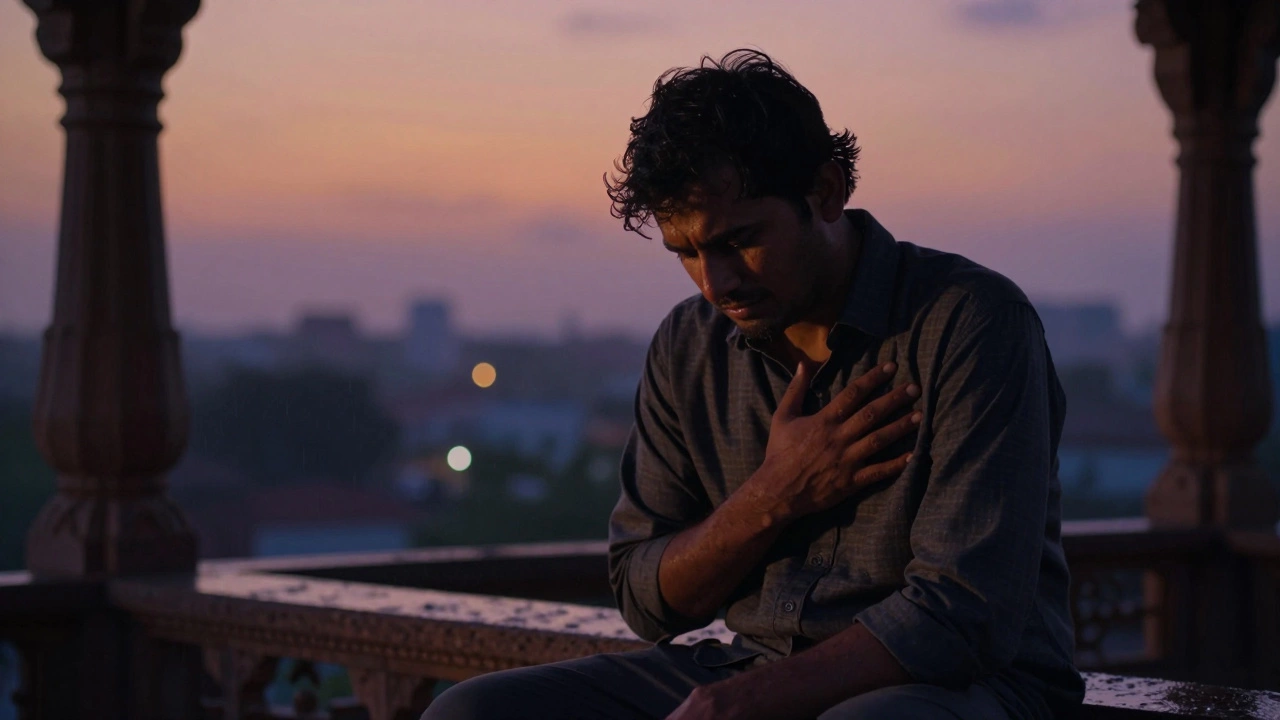
Have you ever felt a hollow ache in your chest that no amount of sleep or distraction could fix? It’s not just sadness. It is something deeper, sharper, and far more complex. When people ask what is the most painful emotional feeling in the world, they are rarely looking for a simple dictionary definition. They are searching for validation of their own suffering. In the rich tradition of Sad Poetry India, which explores the depths of human sorrow through verse, this question is answered not with clinical terms, but with raw, relatable imagery.
Emotional pain is subjective. What breaks one person might barely register to another. However, psychologists and poets alike agree on a few universal contenders for the title of "most painful." These feelings share a common trait: they strip away our sense of control and identity. Let’s look at the specific emotions that top the list, why they hurt so much, and how Indian poetry captures their essence.
The Betrayal of Trust
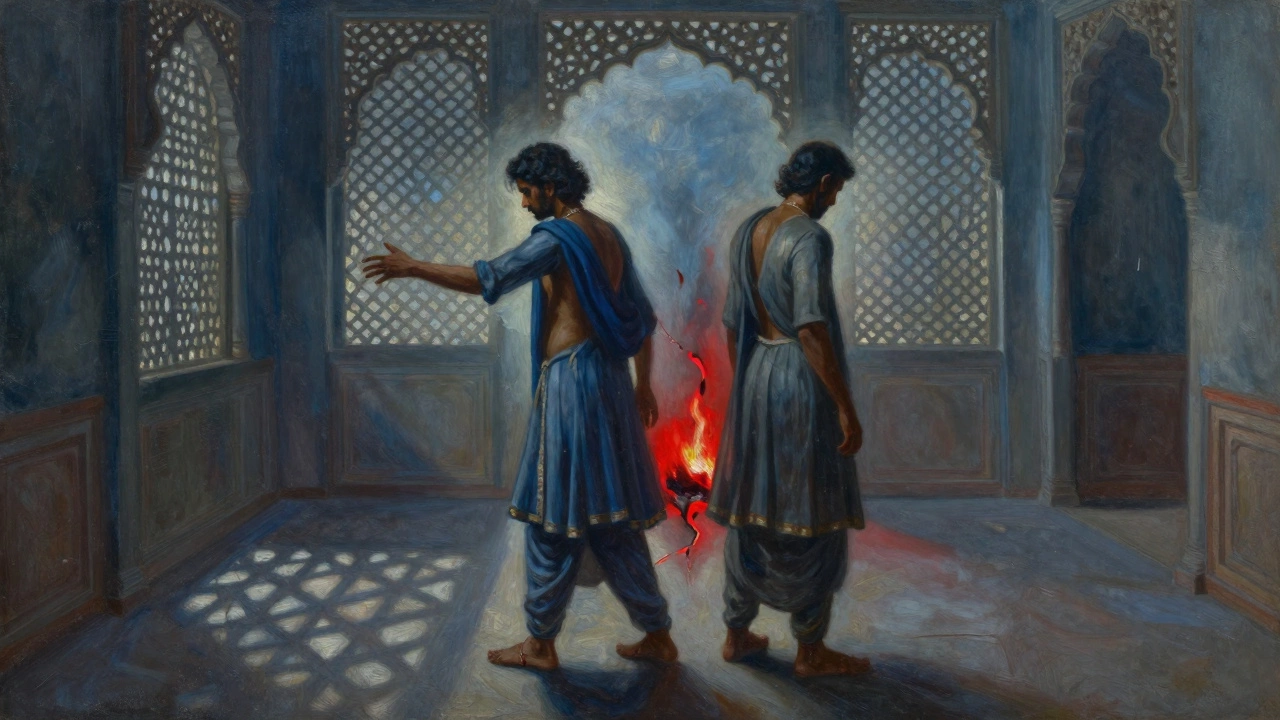
If there is a champion of emotional agony, it is betrayal. Why does it hurt more than physical injury? Because trust is the foundation of our relationships. When someone we love breaks that trust, it doesn’t just wound us; it rewrites our history with them. Every happy memory becomes tainted. You start questioning your judgment, your perception, and your worth.
In the context of Indian literature, betrayal is often depicted through the lens of friendship or romantic partnership. The pain isn't just about the act itself-it's about the sudden realization that the person you relied on was never who you thought they were. This creates a cognitive dissonance that is exhausting to process. You feel foolish for trusting, angry for being hurt, and sad for losing the connection.
- Gaslighting: A form of psychological manipulation where the abuser makes you doubt your reality. This is a modern, insidious form of betrayal.
- Infidelity: The breach of exclusive commitment. It attacks self-esteem directly.
- Friendship Betrayal: Often overlooked, but the loss of a confidant can feel like losing a limb because these people witness our vulnerabilities.
The Agony of Unrequited Love
Love should be mutual. That’s the basic social contract of romance. But when you pour your heart into someone who cannot or will not return those feelings, the result is a unique kind of torture. It is the pain of longing mixed with rejection. You are emotionally invested in a fantasy that has no basis in reality.
Sad poetry from India often focuses heavily on this theme. Think of the classic tales of Mirza Ghalib or the countless verses written during the monsoon season, symbolizing waiting and absence. The pain here is chronic. Unlike a sudden shock, unrequited love is a slow burn. You see them living their life, perhaps even happy with someone else, while you remain stuck in a loop of "what if."
This feeling is exacerbated by hope. As long as there is a sliver of hope that they might change their mind, you stay trapped. The moment you accept the finality is when the true grieving begins. It is a death of a potential future, and mourning that future is incredibly difficult.
Grief and the Void of Loss
Death is the ultimate loss, but the emotional pain associated with it-grief-is multifaceted. It is not just sadness; it is confusion, anger, guilt, and exhaustion all rolled into one. The most painful part of grief is the permanence of it. No matter how much time passes, the person is gone. The world continues, but your world has fundamentally shifted.
In Indian culture, grief is deeply communal yet intensely personal. Rituals help, but they don’t erase the void. The pain of grief is often described as a physical weight. It sits on your chest, making it hard to breathe. It disrupts sleep, appetite, and daily function. What makes it the "most painful" for many is the lack of closure. You didn’t get to say goodbye properly, or maybe you did, but nothing prepares you for the silence that follows.
| Emotion | Primary Trigger | Duration | Key Symptom |
|---|---|---|---|
| Betrayal | Breach of trust | Months to Years | Distrust of others |
| Unrequited Love | Rejection/Lack of reciprocity | Indefinite (until acceptance) | Obsessive thinking |
| Grief | Death/Separation | Lifetime (changes over time) | Numbness/Void |
| Regret | Past mistakes | Chronic | Rumination |
The Heavy Burden of Regret
"I wish I had..." Those three words carry immense weight. Regret is the pain of looking back and seeing a different path-one that seems better, safer, or happier. Unlike grief, which is caused by external events, regret is self-inflicted. You are punishing yourself for choices you made with the information you had at the time.
This type of pain is particularly cruel because it involves counterfactual thinking. Your brain constantly simulates the alternate reality where you made the "right" choice. Did you quit that job too early? Did you not speak up? Did you let go of someone too soon? The pain of regret is the gap between who you are now and who you think you could have been.
In many Indian philosophical texts, attachment to outcomes is seen as the root of suffering. Regret stems from this attachment. It keeps you anchored in the past, preventing you from engaging fully with the present. It is a silent killer of joy because it steals the value of your current experiences by comparing them to an idealized past.
Loneliness in a Crowd
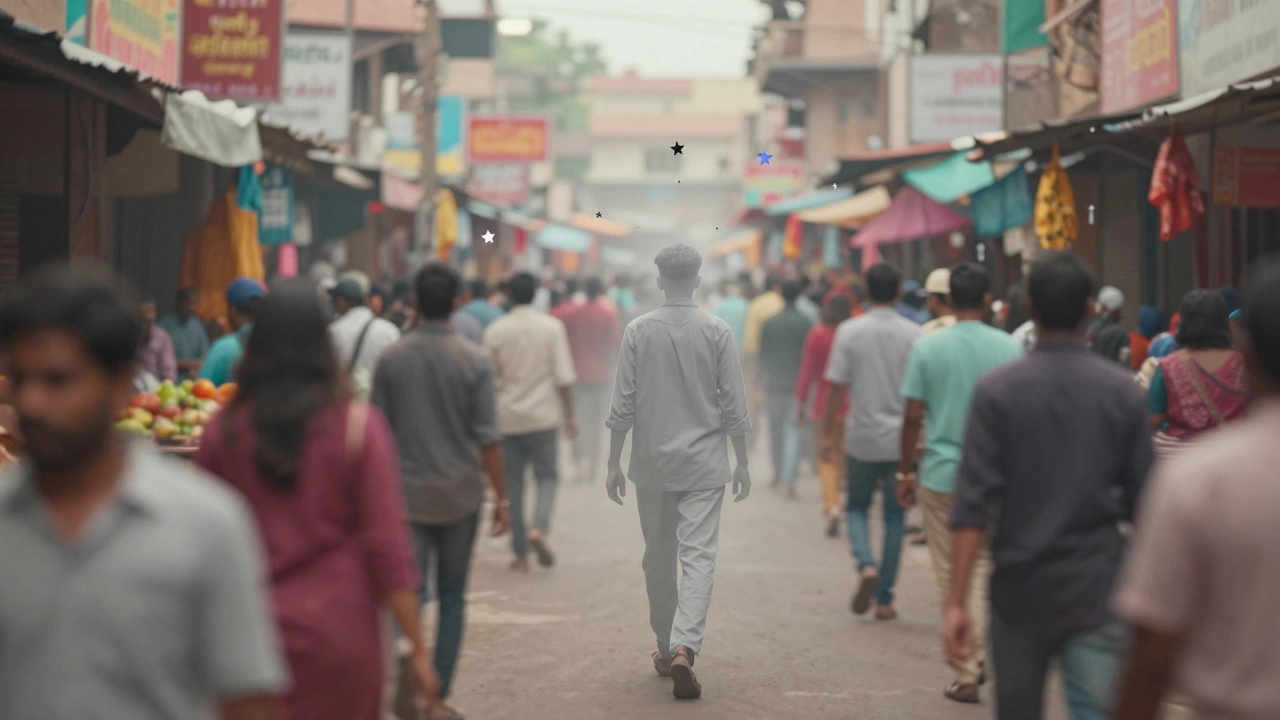
Isolation hurts. Humans are social creatures wired for connection. When that need is unmet, the brain registers it as a threat to survival. But the most painful form of loneliness is not being alone physically; it is being surrounded by people and still feeling invisible. This is the pain of alienation.
You might be at a family gathering, laughing along, posting photos on social media, yet inside, you feel completely disconnected. No one knows the real you. No one cares about your struggles. This disconnect triggers a deep sense of worthlessness. It tells you that you are not enough, that you do not belong.
Sad poetry often uses metaphors of rain, empty rooms, and distant stars to describe this feeling. It captures the paradox of modern life: we are more connected than ever technologically, yet more isolated emotionally. This type of pain is insidious because it is often hidden behind smiles, leading to depression and anxiety disorders.
Why Poetry Helps Us Process Pain
So, why do we turn to Sad Poetry India when we are hurting? Because words give shape to formless pain. When you read a verse that perfectly describes your inner turmoil, you feel less alone. You realize that your suffering is part of the human condition.
Poetry acts as a mirror. It reflects your emotions back to you, but with clarity and beauty. It validates your feelings without judging them. For example, reading about the pain of separation in Urdu ghazals or Hindi nazms allows you to access your own emotions safely. It provides a container for your grief, so it doesn’t spill over and destroy your daily life.
Moreover, creating or consuming art transforms passive suffering into active expression. Instead of being a victim of your emotions, you become an observer and an interpreter. This shift in perspective is crucial for healing. It doesn’t make the pain disappear overnight, but it makes it bearable.
Coping with Deep Emotional Pain
Knowing what the most painful feelings are is only half the battle. The other half is learning how to survive them. Here are some practical steps grounded in psychology and supported by the therapeutic nature of artistic expression.
- Name the Emotion: Don’t just say "I feel bad." Be specific. Are you betrayed? Lonely? Regretful? Naming the emotion reduces its intensity by engaging the logical part of your brain.
- Write It Down: Journaling works similarly to poetry. Get the thoughts out of your head and onto paper. This prevents rumination loops.
- Seek Connection: Even if you feel lonely, reach out. One genuine conversation can break the spell of isolation. Vulnerability is scary, but it is the bridge to connection.
- Practice Self-Compassion: Treat yourself with the same kindness you would offer a friend. Stop beating yourself up for past mistakes or current struggles.
- Professional Help: If the pain feels unmanageable, therapy is not a sign of weakness. It is a tool for navigating complex emotional landscapes.
Remember, emotional pain is temporary, even if it feels eternal in the moment. Seasons change. Feelings change. You are resilient, even if you don’t feel like it right now.
Is emotional pain worse than physical pain?
Research suggests that emotional pain activates similar regions in the brain as physical pain. For many people, chronic emotional pain can feel more debilitating because it affects identity, relationships, and daily functioning in ways that physical injuries often do not. Physical wounds heal visibly; emotional wounds can linger invisibly for years.
What is the hardest emotion to deal with?
While individual experiences vary, betrayal and grief are frequently cited as the hardest emotions to navigate. Betrayal shatters trust and self-perception, while grief involves accepting permanent loss. Both require significant psychological restructuring to move forward.
How can sad poetry help with mental health?
Sad poetry provides validation and catharsis. Reading verses that articulate your own unspoken feelings reduces the sense of isolation. It helps normalize your experience and can serve as a starting point for processing complex emotions in a safe, reflective manner.
Why does betrayal hurt so much?
Betrayal hurts because it violates the fundamental expectation of safety in a relationship. It forces you to re-evaluate your past interactions and doubts your ability to judge character. The combination of loss, anger, and shame creates a complex emotional wound that takes time to heal.
Can emotional pain cause physical symptoms?
Yes. Chronic emotional stress can manifest as physical symptoms such as headaches, stomach issues, fatigue, and muscle tension. The mind-body connection is strong, and prolonged emotional distress can weaken the immune system and exacerbate existing health conditions.