What is Sad in Love? Understanding the Pain of Indian Romance
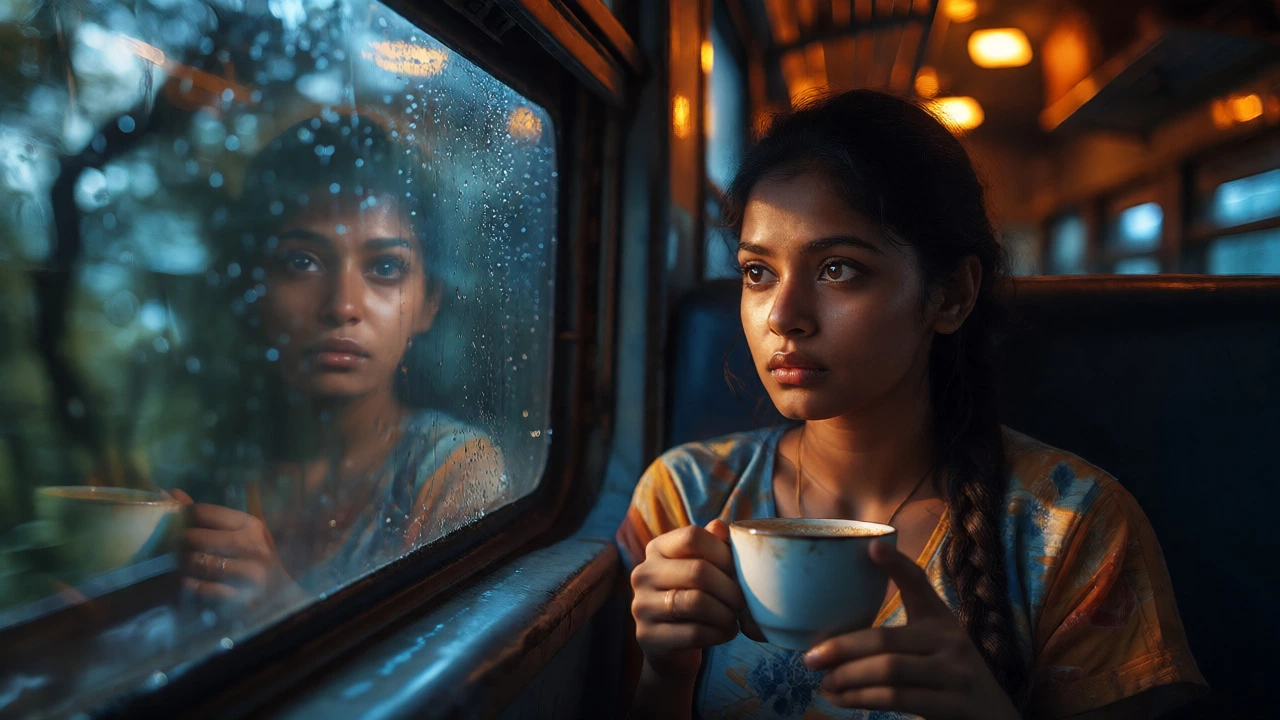 Oct, 13 2026
Sad in Love: Emotional Dimension Identifier
Love is complex. Use this tool to reflect on your current feelings and identify which specific dimension of "Sad in Love" resonates most with your experience. This can help you understand the nature of your pain and find appropriate coping mechanisms.
You know that feeling when your chest tightens, not because you are running for a bus in Delhi, but because someone you loved just stopped loving you back? Or maybe they still love you, but life-family pressure, distance, or bad timing-got in the way. That specific ache is what we mean by sad in love. It is not just sadness; it is a complex mix of longing, resignation, and the strange beauty of caring for someone who cannot be yours.
In India, this emotion has a deep cultural footprint. Think about the songs from the 90s that still make people cry in their cars today. Think about the ghazals sung in mushairas where the poet breaks his own heart to entertain the audience. We romanticize pain in our cinema and literature, but what does it actually feel like in real life? Is it just being lonely? Is it missing someone? Or is it something deeper-a sense of loss that changes how you see the world?
| Dimension | Description | Common Experience |
|---|---|---|
| Unrequited Love | Loving someone who does not return the feeling. | Watching them smile at someone else while you hold your breath. |
| Situational Separation | Two people who love each other but cannot be together due to external forces. | Family opposition, career moves, or visa issues keeping couples apart. |
| Betrayal & Trust Loss | The pain of realizing the person you trusted was hiding the truth. | Seeing messages on a phone or hearing rumors that shatter your reality. |
| Grief of Presence | Being with someone who is emotionally distant or gone. | Sitting next to them but feeling miles away; loving a ghost. | d>
The Cultural Weight of Heartbreak in India
If you grow up watching Bollywood movies, you learn early on that heartbreak is dramatic. Rain falls when lovers part. Songs play in the background. But real life is quieter. In India, sad in love often carries a heavy social burden. Unlike in some Western cultures where dating is casual, relationships here frequently involve families, communities, and societal expectations.
Consider the concept of "Log Kya Kahenge" (What will people say?). When a relationship fails, the sadness isn't just personal; it's public. You might feel judged for choosing the wrong partner, or pitied for remaining single. This adds a layer of anxiety to the grief. You aren't just mourning the loss of a person; you're mourning the loss of a future that society expected you to have.
Indian poetry, especially Urdu ghazals and Hindi Kavita, has mastered this nuance. Poets like Mirza Ghalib wrote about love as a wound that never heals. They didn't just describe crying; they described the silence after the tears stop. That silence is louder than any scream. When you read lines like "Dil-e-nadan tujhe hua kya hai" (O naive heart, what has happened to you?), you realize that this pain is universal, yet deeply personal.
Is It Just Nostalgia or Real Pain?
A lot of people confuse nostalgia with sadness. You might scroll through old photos and feel a pang in your chest. Is that sadness? Not always. Nostalgia can be sweet. It’s remembering the good times without wanting them back. Sadness in love, however, hurts because you want them back, or you wish things were different, but you know they can’t be.
There is a distinct difference between missing a memory and missing a person. Missing a memory is safe; it lives in the past. Missing a person is dangerous; it pulls you into a future that doesn't exist. This is why many people stay stuck. They keep checking social media profiles, hoping for a sign. They re-read old chats. They are trying to revive a dead connection.
In the context of Indian relationships, this is often compounded by the idea of "Soulmates." If you believe someone is your destiny, losing them feels like losing a part of your identity. The sadness becomes existential. Who are you if you are not with them? This question haunts many young adults in metros like Mumbai, Bangalore, and Delhi, where individualism clashes with traditional family structures.
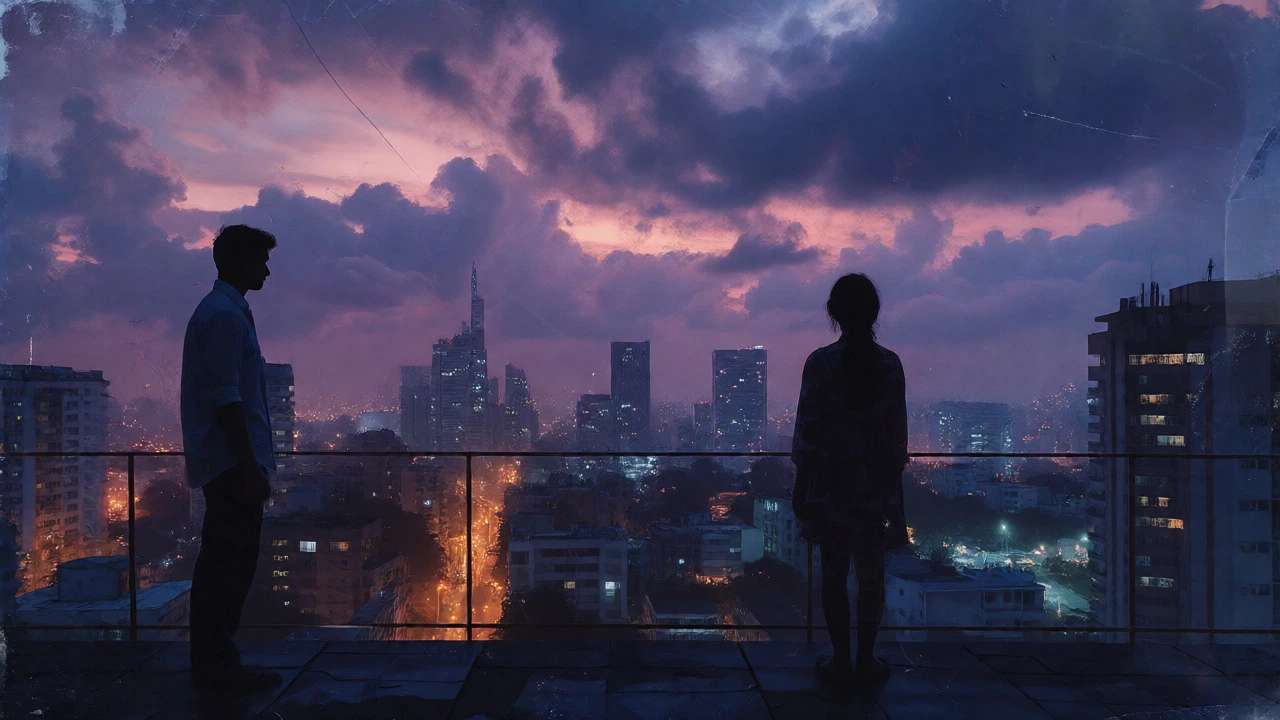
The Three Faces of Romantic Sorrow
To understand what makes love sad, we need to break it down. It usually falls into three categories: Unrequited, Lost, and Compromised.
- Unrequited Love: This is the one-sided crush. You give everything, and they give friendship. The sadness here comes from invisibility. You are right there, screaming your love internally, but they only see a friend. It’s frustrating because you can’t even blame them. They don’t owe you love. This helplessness is the core of the pain.
- Lost Love: This is the breakup. Two people who fit together, separated by time or circumstance. The sadness here is regret. "What if I had said yes?" "What if I hadn't taken that job?" The mind replays scenarios endlessly. In India, this often involves arranged marriage pressures or caste differences that seem insurmountable.
- Compromised Love: This is staying in a relationship that hurts. You are together, but you are lonely. The sadness here is suffocation. You love them, but they drain you. You stay because of habit, fear of being alone, or financial dependence. This is arguably the most painful type because the source of your pain is also the source of your comfort.
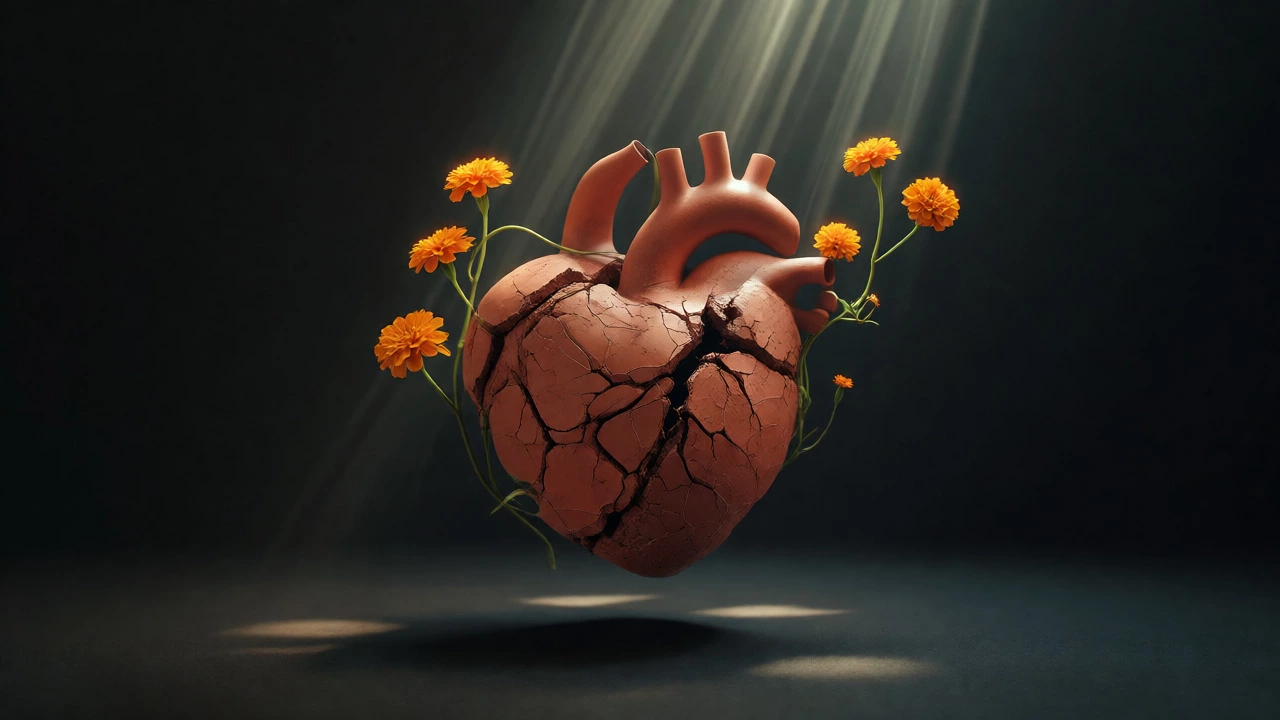
Why Do We Romanticize the Pain?
Have you ever noticed that sad love songs get more streams than happy ones? There is a reason for this. Happiness is fleeting; pain lingers. We process pain more deeply. Writing poetry about joy is nice, but writing about heartbreak connects us to millions of others who have felt the same sting.
In Indian culture, there is a spiritual aspect to suffering too. Some believe that pain purifies the soul. That enduring heartbreak makes you wiser, more empathetic, and more human. This doesn't mean the pain is good, but it means it has purpose. Many poets write about love as a form of devotion (Ishq). Even when it destroys you, it elevates you. This perspective helps people cope. It turns victimhood into strength.
However, we must be careful not to glorify toxicity. Staying in a bad relationship because it feels "poetic" is a trap. Real healing requires acknowledging that while sadness is natural, suffering shouldn't be permanent. The goal isn't to suffer forever; it's to learn from the sorrow and move forward.
How to Navigate the Sadness Without Getting Drowned
If you are currently feeling sad in love, here is a practical approach to handling it. First, accept the emotion. Don't fight it. Cry if you need to. Suppressing emotions only delays the healing process. Second, limit digital contact. Seeing their face online resets your healing clock. Third, express it. Write it down. Talk to a friend. Create art. Get it out of your system.
Also, remember that time is the only true cure. It sounds cliché, but it works. The intensity of the pain fades. One day, you will think of them and feel nothing. Then, one day, you will think of them and smile. That is the journey.
Is being sad in love normal?
Yes, absolutely. Love involves vulnerability, and vulnerability opens the door to pain. Feeling sad when a relationship ends or struggles is a healthy human response. It indicates that you cared deeply and invested emotionally.
How long does heartbreak last?
Research suggests that significant heartbreak can take around six months to heal significantly, but it varies by individual. Factors like the length of the relationship, the nature of the breakup, and support systems play a huge role. In Indian contexts, family support can accelerate healing, while social stigma may prolong it.
Can sad love poetry help me heal?
Reading or writing sad poetry can be therapeutic. It validates your feelings and shows you that you are not alone. Many people find solace in the words of poets like Rumi, Ghalib, or contemporary Indian writers who articulate the complexities of heartbreak better than friends sometimes can.
What is the difference between sadness and depression in love?
Sadness is temporary and tied to a specific event. Depression is persistent and affects daily functioning. If you cannot eat, sleep, or work for weeks after a breakup, or if the hopelessness persists beyond the initial shock, it might be depression. Professional help is recommended in such cases.
Why do I miss someone who hurt me?
You likely miss the potential of who they could have been, or the version of yourself that existed when you were happy with them. The brain craves familiarity and attachment bonds, even if those bonds were toxic. Healing involves recognizing that missing them doesn't mean going back is the right choice.