What is India of My Dreams Short Note: Vision, Quotes & Reality
 Mar, 27 2026
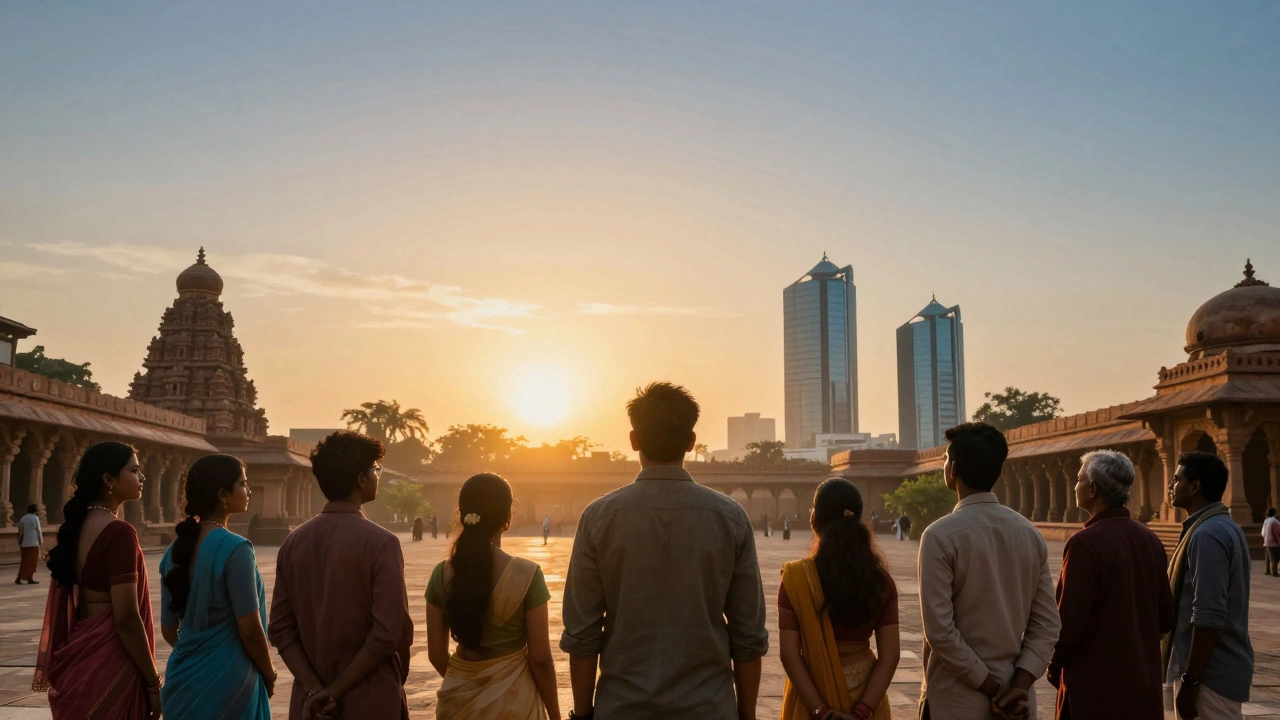
Have you ever stopped to think about what makes your country truly yours? When we talk about the India of My Dreams, we are not just talking about a political slogan. It is a deep, emotional connection between a citizen and their land. For many, starting with students and moving through adults, this phrase brings up images of freedom, progress, and unity. In today’s fast-moving world of 2026, understanding this vision helps us navigate our own place in society.
This concept isn’t new. It lives in the hearts of millions who grew up hearing stories of struggle and sacrifice. But it is easy to get confused. Does it mean a wealthy nation? A peaceful one? Or something deeper? To answer this clearly, we need to look at history and connect it to our current reality. We also need to see how famous thinkers defined it so we don’t have to reinvent the wheel.
The Historical Roots of the Vision
You cannot understand the present without knowing where the idea started. Most people immediately think of Swami Vivekananda. His words in 1900 changed how Indians looked at themselves. He talked about a nation filled with strength, knowledge, and spiritual power. He didn’t ask for charity; he asked for energy. He believed the dream should be built on the back of hard work and character.
Then there was Jawaharlal Nehru. In his “Tryst With Destiny” speech, he spoke of a free India. His version was slightly different. He focused on science, democracy, and removing poverty. While Vivekananda spoke of the soul of the nation, Nehru focused on its body and infrastructure. Both views matter today. If we ignore one, we miss half the picture.
We also cannot forget Dr. B.R. Ambedkar. He added a crucial layer: equality. Without rights for everyone, the dream remains empty. He insisted that liberty, equality, and fraternity must be real, not just written words. These three thinkers form the foundation of what we call the ideal nation today.
| Visionary | Core Focus | Impact Today |
|---|---|---|
| Vivekananda | Spiritual Strength & Energy | Youth Motivation |
| Jawaharlal Nehru | Science & Democracy | Governance & Tech |
| B.R. Ambedkar | Social Justice & Rights | Legal Equality |
Seeing these differences helps us realize that the dream changes shape over time. In 1947, the dream was independence. In 1990, it was economic growth. Now in 2026, it is sustainable development and digital integration. The goal shifts, but the heart of the idea remains steady.
What Defines the Dream Nation Today
If we were to sit down and write a short note on this topic today, we would focus on specific pillars. First, there is unity. You see it in sports events where fans from every state cheer together. That sense of belonging despite different languages is vital. Unity in Diversity is not just a phrase anymore; it is a daily survival skill in our cities. Without it, the fabric tears apart easily.
Secondly, economic stability matters. Everyone wants jobs. Everyone wants to feed their family. A nation that promises prosperity must deliver basic comforts. This isn’t greed; it is dignity. If a worker struggles to buy food, the promise of a strong nation feels distant. Real progress means ensuring supply chains work, farmers sell their crops, and tech workers find purpose.
Thirdly, education plays a huge role. Schools need to teach critical thinking, not just memory. Many schools still focus on rote learning. This holds back potential. The dream nation empowers young minds to question, solve problems, and innovate. It encourages reading books beyond textbooks. Imagine classrooms where students discuss ethics alongside math.
Practical Steps for Individuals
So, how do we contribute? It sounds big, but it starts small. You don’t need to be a minister to change things. Cleaning your neighborhood shows care. Respecting public property builds collective discipline. When we treat local parks as our own gardens, we show respect for the country.
India of my dreams becomes real when citizens take ownership. This is where the Youth Responsibility comes into play. Young people are the ones who will inherit the future. They spend a lot of time online. The internet is a powerful tool. It can spread hate, or it can share knowledge. Using social media to highlight good news is a choice. Reporting corruption is a civic duty. Voting is the most direct way to shape the government.
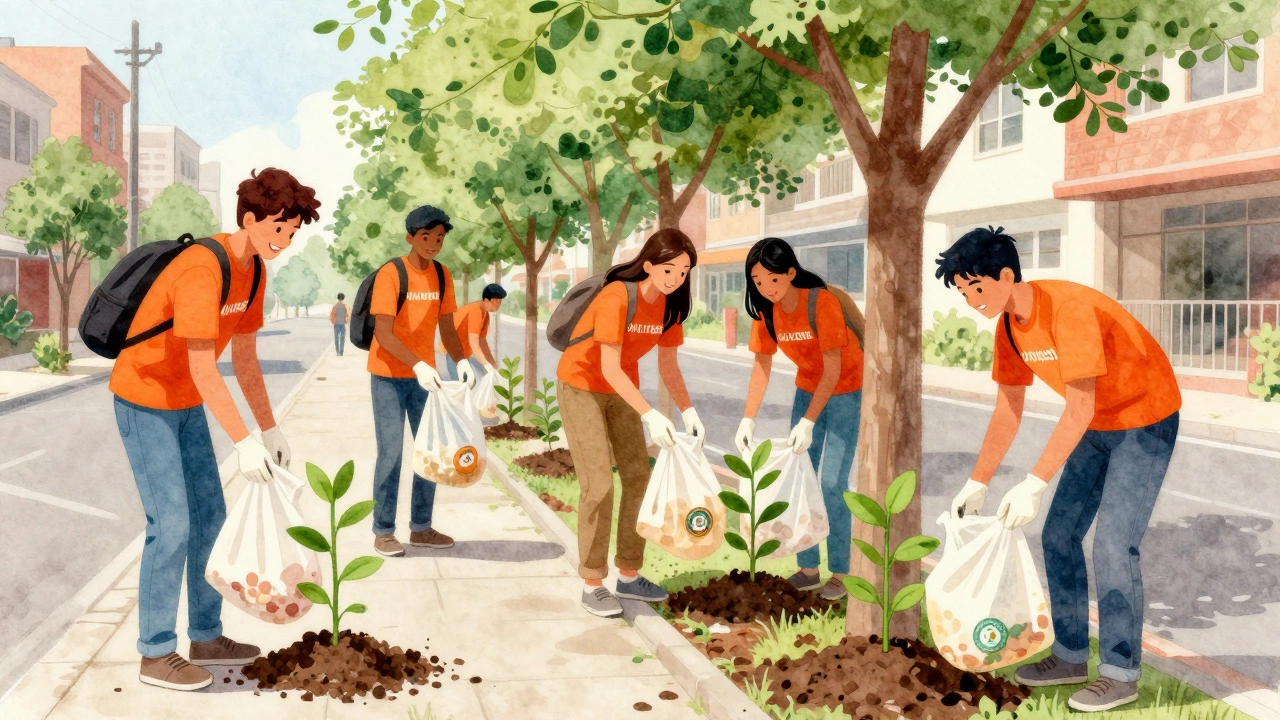
Volunteering is another area. NGOs across Delhi, Mumbai, and other cities run programs for clean water, education, and health. Joining even one initiative for a weekend connects you to the larger mission. You see problems firsthand. This experience changes your perspective from passive observer to active builder.
The Role of Technology and Innovation
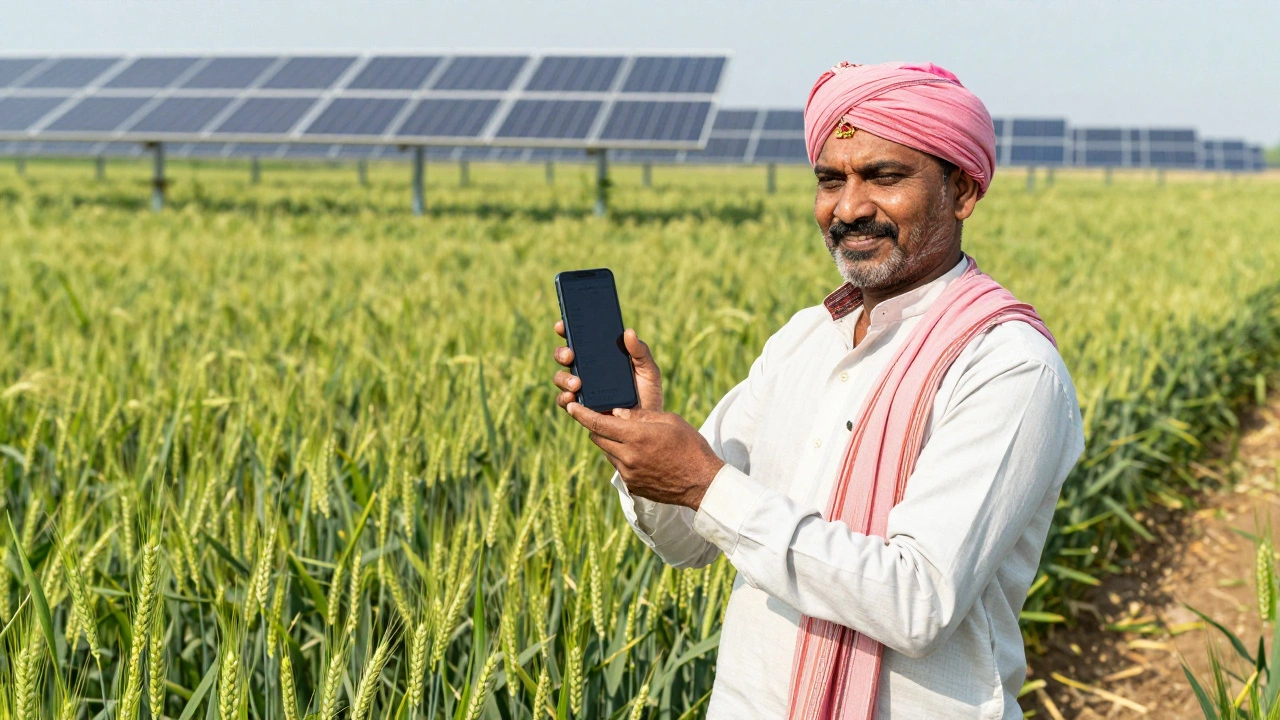
We cannot ignore technology. In 2026, almost everything is digital. The dream nation uses this tech for public good. Think of mobile banking reaching remote villages. It removes the middleman and gives people control over their money. Digital India is more than just computers; it is access. When a farmer checks weather data on a phone, he protects his harvest.
Innovation also means solving old problems. Water conservation tech is needed in cities facing shortages. Renewable energy sources reduce pollution. These are not futuristic ideas; they are current necessities. The vision includes protecting the environment for the next generation. Climate change affects everyone equally, regardless of wealth.
Culture also survives in the modern era. Traditional arts, crafts, and languages need space. Globalization might push everything to look the same. Preserving local traditions keeps us grounded. Wearing traditional clothes during festivals is fun, but teaching the meaning behind them keeps them alive. Stories passed down orally hold wisdom that textbooks miss.
Bridging the Gap Between Ideals and Reality
It is honest to admit gaps exist. Corruption is a persistent headache in administration. Inequality remains high between urban and rural areas. Some regions have excellent hospitals, while others lack basics. Acknowledging this doesn’t destroy hope; it clarifies the path. We know what we are fighting against.
We must stop waiting for someone else to fix things. If the garbage truck doesn’t come, organize a community cleanup. If a road is broken, inform the council formally. Civic engagement is often boring but necessary. Patience is a virtue here. Systems do not change overnight. Consistent pressure leads to better governance.
Economic policies matter too. Taxation funds schools and roads. Understanding where tax money goes helps people appreciate the cost of development. It also creates accountability. When you know the budget, you can ask better questions from leaders.
Conclusion and Moving Forward
Building the ideal nation is a lifelong project. It requires patience, sacrifice, and constant effort. The journey is long, but the direction must remain clear. By studying past thinkers, we gain wisdom. By acting locally, we create change. The dream is not a destination to reach; it is a compass to follow.
We must nurture the values that bind us together. Respect for law, respect for neighbors, and respect for the environment form the glue. Every day, choices are made. Small acts of kindness add up. A cleaner street, a polite conversation, or helping an elderly person cross the road contributes to the social atmosphere. These moments define what our country really feels like.
As we move through 2026, let us carry this spirit. Whether you are in a bustling city or a quiet village, your actions ripple outward. The notes we write about the future become history. Let them be positive. Let them reflect a nation proud of its roots and ready for its challenges.
Who first coined the phrase "India of My Dreams"?
While many associate the sentiment with Swami Vivekananda, the specific phrase gained popularity through songs and essays inspired by patriotic leaders. However, the core concept of an independent, sovereign nation is rooted in the writings of Netaji Subhash Chandra Bose and Mahatma Gandhi.
How can students write a short note on this topic?
Students should focus on three main points: the vision of freedom fighters, the current status of the country, and their personal role. Keeping it under 200 words usually works best for school assignments.
Is the dream achievable in modern times?
Yes, but it requires active participation from citizens. Achievements like rapid digital adoption show progress, though challenges in employment and healthcare remain significant hurdles.
What is the connection between culture and this vision?
Culture provides the moral framework for the nation. Without preserving arts, language, and traditions, the identity of the nation weakens amidst globalization.
Why is youth empowerment important?
The youth represent the majority of the population. Their energy, innovation, and adaptability drive economic growth and social reform.