What is India? A Short Note on Culture, Spirituality, and Life
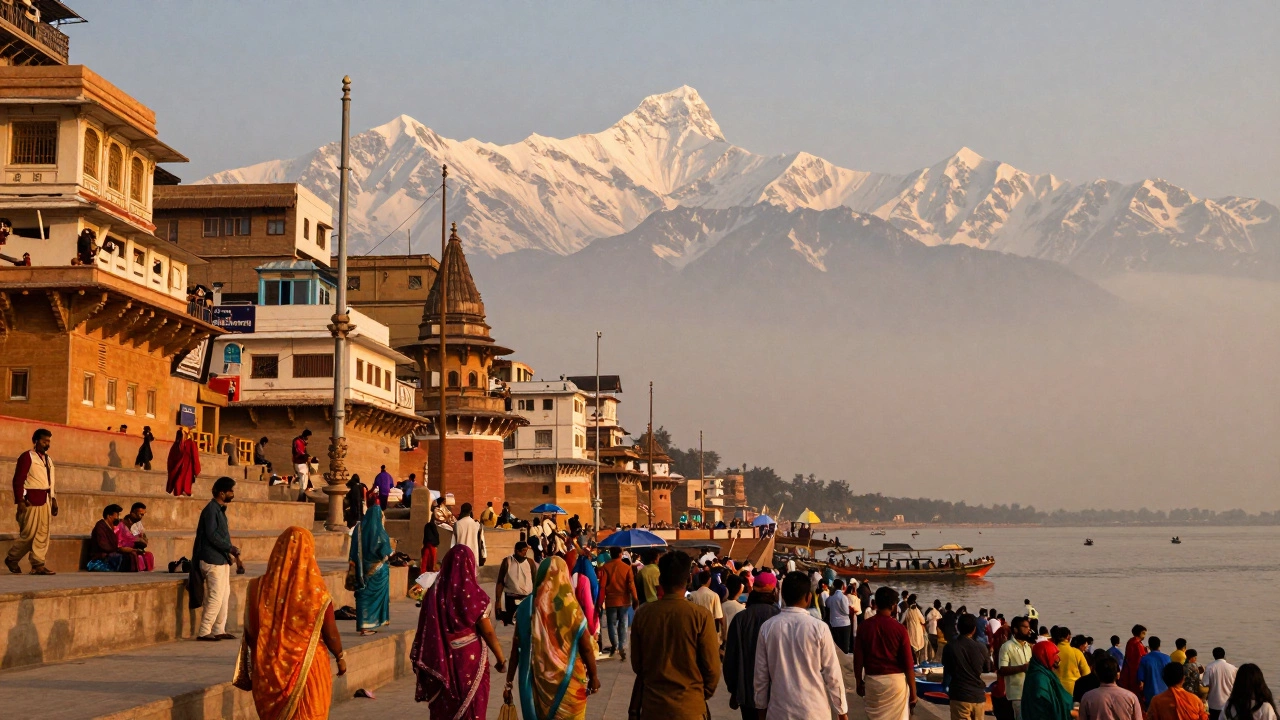 May, 8 2026
India Essence Generator
Choose at least one theme to generate your note.
Based on your selections, we will compile a concise summary of India's essence.
When you ask for a short note of India, you are asking for the soul of a place that defies simple definition. It is not just a country; it is a living, breathing entity where ancient traditions dance with modern chaos. To understand India in a few lines is like trying to capture the monsoon rain in a thimble-you get the essence, but you miss the vastness. Yet, we can distill its core into a narrative of unity, diversity, and deep spiritual roots.
India is often described as a subcontinent because its size and complexity rival those of entire continents. Home to over 1.4 billion people, it is the second-most populous nation in the world. But numbers alone do not tell the story. The real magic lies in how this massive population coexists. You have seven major languages recognized by the constitution, hundreds of dialects, and countless religions practiced side by side. This isn't just tolerance; it is a way of life.
The Tapestry of Diversity
If you travel from Kashmir in the north to Kanyakumari in the south, or from Gujarat in the west to Assam in the east, you will feel like you are crossing multiple countries. The food changes, the clothes change, the festivals change. In Kerala, you might see traditional boat races on backwaters, while in Rajasthan, you witness camel safaris in golden deserts. This diversity is India’s greatest strength. It teaches us that difference does not mean division.
This cultural mosaic is reflected in daily interactions. A Hindu temple might stand next to a mosque, which is near a church. During festivals like Diwali, Eid, or Christmas, neighborhoods often celebrate together. This communal harmony is not always perfect-there are challenges-but the underlying spirit of Vasudhaiva Kutumbakam (the world is one family) remains a guiding principle for many Indians.
Spirituality and Philosophy
You cannot write a short note about India without mentioning spirituality. India is the birthplace of four major world religions: Hinduism, Buddhism, Jainism, and Sikhism. These faiths have shaped not just religious practices, but also philosophy, art, and social structures. Concepts like karma, dharma, and ahimsa (non-violence) originated here and have influenced global thought.
For many, India is a spiritual destination. Cities like Varanasi, Rishikesh, and Amritsar attract seekers from around the globe. The Ganges River, considered sacred, flows through these lands, symbolizing purity and renewal. Even in urban centers like Mumbai or Delhi, you will find moments of stillness amidst the noise. People pause for prayer, offer flowers at shrines, and seek inner peace. This spiritual grounding gives Indian life a depth that goes beyond material success.
Tradition Meets Modernity
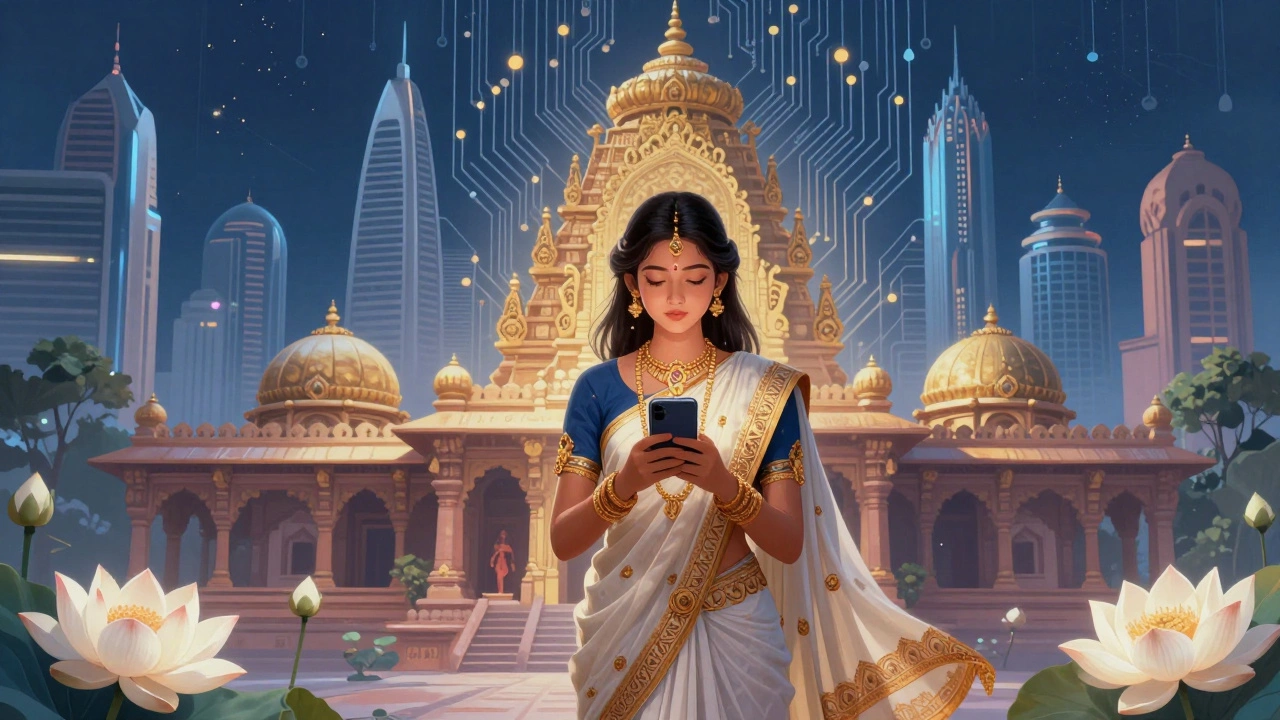
One of the most striking aspects of India is its ability to blend tradition with modernity. You might see a man in a crisp suit checking his smartphone while walking past a centuries-old temple. India has become a global tech hub, with cities like Bangalore and Hyderabad leading in software development and innovation. At the same time, handloom weaving, classical dance forms like Bharatanatyam, and folk music remain vibrant parts of daily life.
This duality is visible in education too. While Indian students excel in STEM fields globally, there is a growing appreciation for arts, literature, and indigenous knowledge systems. The government and private sectors are investing in preserving heritage sites, promoting local crafts, and integrating traditional wisdom into modern curricula. This balance allows India to move forward without losing its identity.
Challenges and Resilience
No short note would be honest if it ignored the challenges. India faces issues like poverty, inequality, pollution, and bureaucratic hurdles. Millions still lack access to clean water, quality healthcare, or education. However, what sets India apart is its resilience. Communities come together during disasters, whether it’s floods in Bihar or cyclones in Odisha. Grassroots movements drive change, from women’s self-help groups to environmental activists protecting forests.
The middle class is expanding rapidly, creating new opportunities and aspirations. Digital penetration has brought banking, education, and healthcare to remote villages. Initiatives like Aadhaar (biometric ID system) and UPI (Unified Payments Interface) have transformed how millions live and transact. These innovations show that India is not just coping-it is adapting and leading in some areas.
Life Quotes That Reflect the Indian Spirit
To truly grasp the essence of India, look at the words that inspire its people. Life quotes in India often reflect humility, perseverance, and gratitude. They remind us that life is a journey, not a destination. Here are a few that capture the Indian mindset:
- "The wound is the place where the Light enters you." - Rumi (widely quoted in India)
- "Inaction leads to the rust of despair, action leads to the light of hope." - Mahatma Gandhi
- "We must be change agents in ourselves." - Dalai Lama
- "Arise, awake, and stop not till the goal is reached." - Swami Vivekananda
- "Be the change that you wish to see in the world." - Mahatma Gandhi
These quotes are not just slogans; they are lived experiences. They encourage individuals to take responsibility, stay hopeful, and contribute positively to society. In a country with such diverse backgrounds, shared values expressed through language help unite people across divides.
Why This Matters Today
Understanding India matters more than ever. As a rising economic power, its decisions impact global markets. Its demographic dividend-a young population-offers immense potential for growth and innovation. But it also means addressing youth unemployment, skill gaps, and sustainable development. How India navigates these challenges will shape the future of billions.
Moreover, India’s model of inclusive growth, though imperfect, offers lessons for other developing nations. It shows that progress doesn’t have to come at the cost of culture. You can build skyscrapers while preserving temples. You can adopt technology while honoring ancestors. This holistic approach is what makes India unique.
What is the best short note about India?
A good short note highlights India’s diversity, spiritual heritage, and resilience. Mention its status as a democratic republic with rich cultural traditions, rapid technological advancement, and ongoing efforts toward social equity. Keep it concise but impactful, focusing on unity in diversity.
How can I describe India in one sentence?
India is a vibrant land of contrasting landscapes, ancient wisdom, and dynamic progress, where millions live harmoniously despite their differences.
What are key facts to include in a short note on India?
Include population size, capital city (New Delhi), official languages (Hindi and English), currency (Indian Rupee), and notable features like the Himalayas, Thar Desert, and Ganges River. Also mention its role as the world’s largest democracy.
Why is India called a land of unity in diversity?
Because it encompasses numerous ethnic groups, religions, languages, and cultures within a single political framework. Despite these differences, Indians share common historical narratives and national symbols that foster cohesion.
What makes Indian culture unique compared to others?
Indian culture stands out due to its emphasis on spirituality, family values, and artistic expression. Traditional practices like yoga, Ayurveda, and classical arts continue to thrive alongside modern lifestyles, offering a balanced perspective on life.