What Is a Wise Quote? Meaning, Examples, and Indian Perspectives
 Jun, 26 2026
Wise Quote Analyzer & Generator
Have you ever read a sentence that stopped you in your tracks? You know the type. It’s short, maybe just ten or fifteen words, but it hits you right in the chest. Suddenly, a problem you’ve been stressing about for weeks feels smaller, or clearer, or simply worth letting go of. That is the power of a wise quote. But what actually makes a quote "wise"? Is it just something an old person said? Is it deep philosophy? Or is it just clever wordplay?
In our fast-paced digital world, we scroll past thousands of sentences every day. Most are noise. A wise quote cuts through that noise. It doesn’t just entertain; it changes how you see things. For many of us in India, where tradition meets modern hustle, these quotes aren’t just decoration for social media posts. They are tools for survival, guidance for decision-making, and mirrors for self-reflection.
The Anatomy of Wisdom: More Than Just Words
So, what defines a wise quote? At its core, a wise quote is a concise expression of truth that has stood the test of time or experience. It isn’t necessarily complex. In fact, the best ones are often simple enough for a child to understand, yet deep enough for a philosopher to ponder.
Think of it like this: A joke makes you laugh. A news headline tells you what happened. A wise quote tells you what it means. It bridges the gap between information and understanding. When you read, "The only thing we have to fear is fear itself," you aren’t just learning a fact. You’re being invited to examine your own emotional state. That invitation is the hallmark of wisdom.
Wisdom also implies universality. A specific instruction like "Turn left at the traffic light" is useful, but it’s not wise. It applies only to one place and one moment. A wise quote, however, applies to many situations. "Patience is a virtue" works whether you’re waiting for a bus in Delhi traffic or waiting for a career breakthrough after years of rejection. The context changes, but the principle remains solid.
| Feature | Common Saying / Slogan | Wise Quote |
|---|---|---|
| Purpose | To sell, instruct, or trend temporarily | To reflect, guide, or inspire long-term change |
| Longevity | Fades with trends (e.g., internet memes) | Endures across generations (e.g., ancient proverbs) |
| Depth | Surface-level entertainment | Requires personal interpretation and application |
| Source | Marketers, influencers, random users | Experienced leaders, philosophers, spiritual teachers |
Roots in Indian Culture: Where Wisdom Lives
If you grew up in India, you likely heard wise quotes before you could even read them. They weren’t always attributed to famous authors. Often, they came from grandparents, teachers, or community elders. In Indian culture, wisdom is rarely abstract. It is practical, rooted in daily life, and deeply connected to concepts like Dharma (duty/righteousness), the moral order of the universe, and Karma (action/consequence), the law of cause and effect.
Consider the saying, "Man ki manzil, chalna hai" (For a human, the destination is the journey itself). This isn’t just poetic fluff. It reflects a profound acceptance of life’s unpredictability. In a society that often pressures individuals to achieve specific milestones by certain ages, this quote offers relief. It reminds us that growth happens in the process, not just at the finish line.
We also see this in the teachings of figures like Mahatma Gandhi. His quote, "Be the change that you wish to see in the world," is globally recognized. But in the Indian context, it resonates because it aligns with the cultural value of personal responsibility within a collective society. It’s not about blaming the government or society; it’s about starting with yourself. That shift in perspective is pure wisdom.
Even in rural areas, farmers use weather-related proverbs that are essentially wise quotes about patience and timing. "Vritta jo kare, wahi bhoge" (One reaps what one sows) is a common refrain. It’s a simple reminder that shortcuts rarely work. Whether you’re farming crops or building a business, the effort you put in directly correlates to the result you get out. These local sayings carry the same weight as any academic philosophy.
Why We Crave Wisdom in the Digital Age
You might wonder why we need wise quotes today. We have access to all the information in the world via smartphones. Why can’t we just look up answers? The problem isn’t a lack of information; it’s an overload of opinion. Social media feeds us constant, conflicting viewpoints. One post says hustle hard; another says rest is productive. One says save money; another says invest in experiences. It’s exhausting.
A wise quote acts as an anchor. It provides a stable point of reference amidst the chaos. When you feel overwhelmed by choices, a trusted piece of wisdom helps you filter the noise. For example, if you’re debating whether to quit a job that pays well but drains your soul, a quote about integrity or inner peace can help clarify your values. It doesn’t make the decision for you, but it illuminates the path.
Moreover, wise quotes connect us to others. Sharing a meaningful quote on WhatsApp status or Instagram is a way of signaling, "This is who I am. This is what I value." In India, where family and community ties are strong, sharing wisdom is a form of bonding. It’s a way of saying, "I thought of you when I read this," or "Let’s grow together."
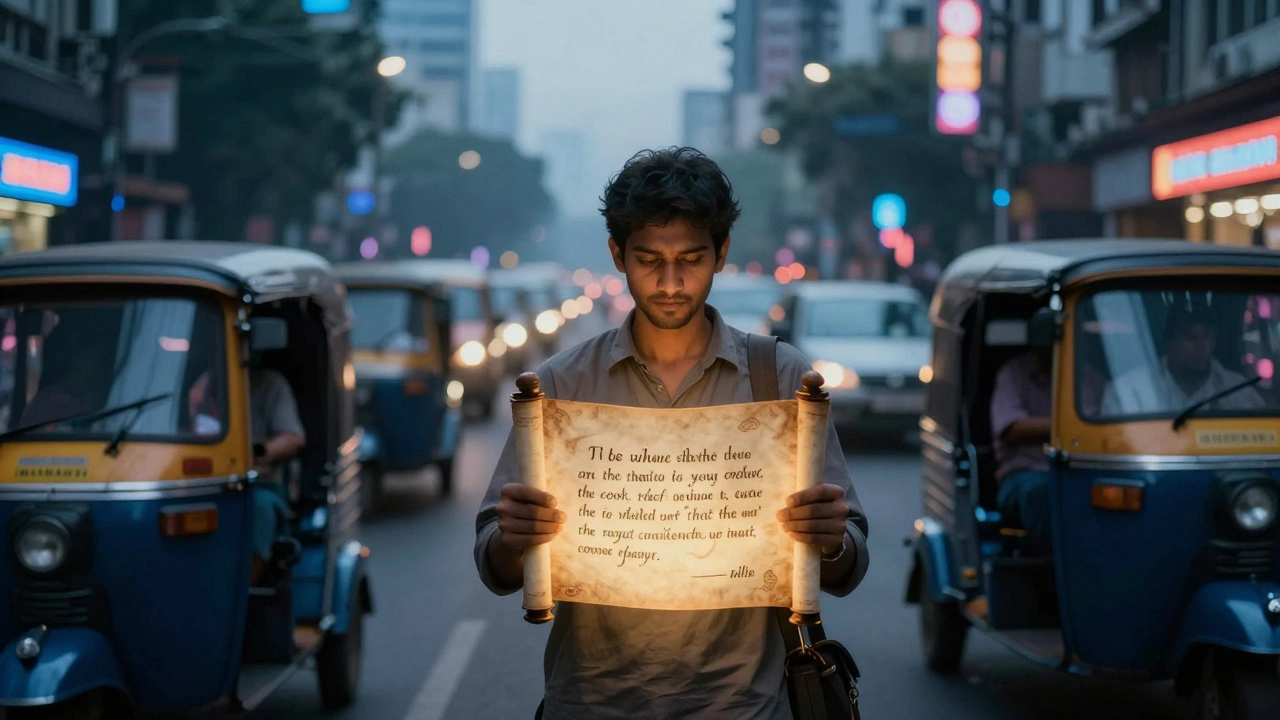
Attitude vs. Wisdom: Finding the Balance
Here in India, there’s a huge market for "attitude quotes." You’ve seen them-bold fonts, dark backgrounds, lines about being ruthless, ignoring haters, and chasing money aggressively. There’s nothing wrong with having confidence or ambition. However, attitude quotes often lack depth. They focus on external validation and dominance.
Wise quotes, on the other hand, focus on internal balance. An attitude quote might say, "I don’t compete; I dominate." A wise quote would say, "The greatest victory is the one over yourself." Both are powerful, but they serve different purposes. Attitude quotes fuel your fire; wise quotes keep you from burning down. The most successful people usually blend both: the drive of attitude with the grounding of wisdom.
Take the concept of resilience. An attitude approach might be, "They broke me, so I’ll break them back." A wise approach is, "Fall seven times, stand up eight." The latter acknowledges pain without seeking revenge. It focuses on recovery and strength. In the long run, the wise approach leads to healthier relationships and sustainable success.
How to Spot a Fake Wise Quote
Not everything labeled "wisdom" is genuine. With the rise of AI-generated content and viral marketing, many fake quotes are circulating online. Some are misattributed to famous figures like Einstein or Buddha to gain credibility. How do you tell the difference?
- Check the source: If a quote sounds too perfect or too modern for an ancient figure, it’s likely fake. Ancient wisdom often uses metaphors related to nature, seasons, or daily chores, not corporate jargon.
- Look for nuance: Real wisdom acknowledges complexity. If a quote promises a quick fix or absolute certainty (e.g., "Do X and you will always succeed"), be skeptical. Life is rarely that linear.
- Test it against experience: Does the quote hold up in real life? If you apply it and it leads to arrogance or harm, it’s probably not wise. True wisdom promotes empathy, humility, and clarity.
For instance, many quotes attributed to Swami Vivekananda online are actually modern motivational speeches. While inspiring, they aren’t his actual words. Verifying authenticity respects the original thinker and ensures you’re drawing from a genuine well of insight.
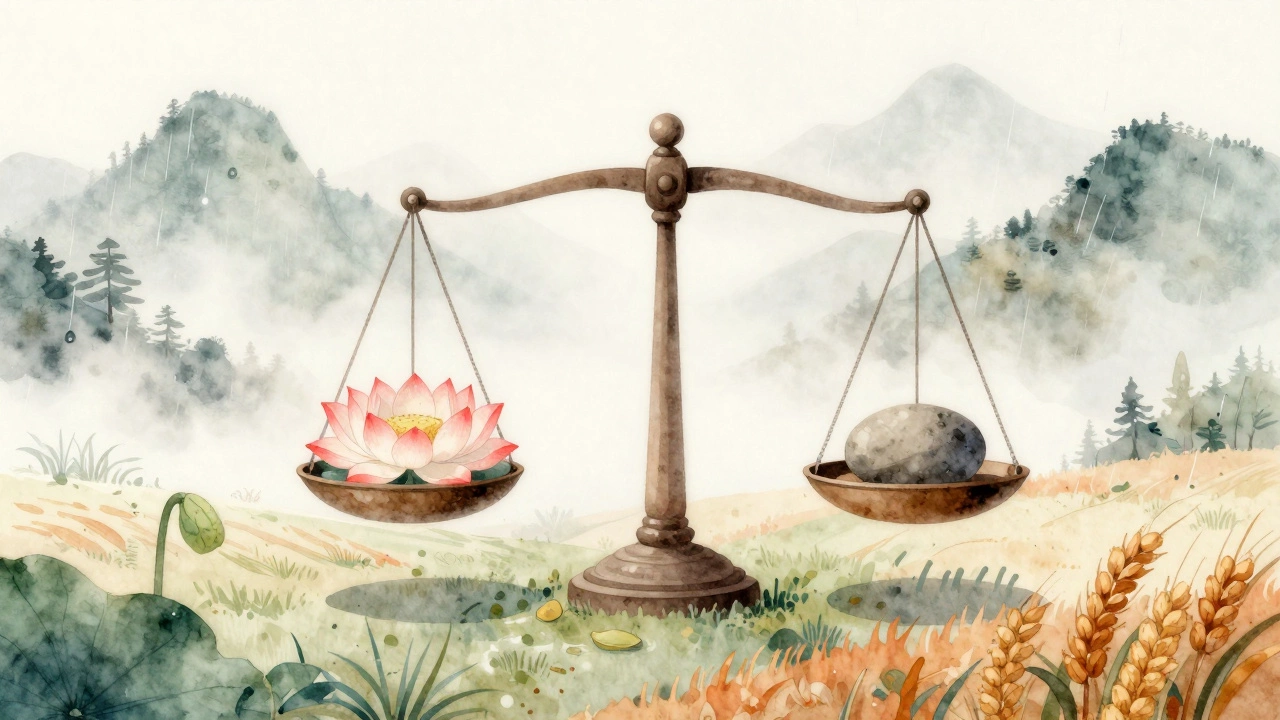
Making Wisdom Work for You
Reading a wise quote is passive. Applying it is active. To truly benefit, you need to integrate these insights into your daily routine. Here’s how:
- Choose one quote per week: Don’t overwhelm yourself. Pick one sentence that resonates. Write it down on a sticky note and put it on your mirror or laptop.
- Reflect on conflicts: When you face a tough decision, ask yourself, "What would this quote suggest I do?" If the quote is about honesty, does telling the truth align with your action?
- Discuss it: Share the quote with a friend or family member. Ask them what it means to them. Different perspectives can deepen your understanding.
- Create your own: After living through a challenge, try to summarize the lesson in one sentence. Your personal wisdom is just as valuable as ancient texts.
In a city like Delhi, where life moves at a frantic pace, taking five minutes to pause and reflect on a single idea can reset your mindset. It turns a stressful commute into a moment of mindfulness. It transforms a heated argument into an opportunity for patience.
The Timeless Value of Simple Truths
Ultimately, a wise quote is a shortcut to someone else’s experience. It saves you from making the same mistakes they did. It highlights joys you might have missed. In a world that constantly demands more from us-more productivity, more consumption, more attention-wise quotes remind us of what matters. They remind us to breathe, to think, and to be kind.
Whether it’s a line from the Bhagavad Gita, a proverb from your grandmother, or a modern observation from a leader, the core function remains the same: to guide us toward a better version of ourselves. So next time you see a quote that stops you in your tracks, don’t just scroll past it. Stop. Read it again. Let it sink in. That’s where the wisdom begins.
What is the difference between a smart quote and a wise quote?
A smart quote often displays intelligence, wit, or cleverness. It might solve a logical puzzle or make a sharp observation. A wise quote, however, deals with deeper truths about human nature, ethics, or life. Smart quotes impress the mind; wise quotes touch the heart and guide behavior.
Are attitude quotes considered wise?
Not necessarily. Attitude quotes focus on confidence, dominance, and external success. While they can be motivating, they often lack the humility and depth characteristic of true wisdom. Wisdom balances ambition with empathy and self-awareness, whereas attitude quotes may encourage arrogance.
How can I find authentic wise quotes from Indian history?
Look for primary sources like translated versions of ancient texts such as the Upanishads, Bhagavad Gita, or works by verified historical figures like Rabindranath Tagore or Mahatma Gandhi. Avoid unverified social media posts. Reputable publishers and academic institutions often provide accurate translations and attributions.
Can a wise quote change my life?
A quote alone won’t change your life, but it can shift your perspective. When you internalize a wise quote and apply its principle to your actions, it can lead to better decisions, improved relationships, and greater peace of mind. The change comes from the application, not just the reading.
Why are wise quotes popular on social media in India?
Social media provides a quick way to share values and connect with others. In India, where family and community bonds are strong, sharing wise quotes is a way to express care, seek advice, or reflect on shared cultural values. It’s a digital extension of traditional storytelling and mentorship.