What is a Common Greeting in Hindi? The Ultimate Guide to Namaste and More
 Jun, 20 2026
Indian Greeting Guide
Scenario Settings
Recommended Greeting
Select your scenario and click "Find Greeting" to see the appropriate phrase.
Imagine walking into a bustling market in Delhi or joining a family gathering for a birthday wishes india celebration. You want to say hello, but you aren't sure if you should shake hands, wave, or bow. In India, greetings are more than just polite words; they are a bridge between people, steeped in history and respect. If you are looking for the most common greeting in Hindi, the answer is almost always "Namaste." But there is much more to it than just saying two syllables. Understanding how, when, and why we greet each other can transform your interactions from awkward exchanges into warm connections.
Greetings set the tone for every relationship. Whether you are meeting an elder, a new colleague, or a friend you haven't seen in years, the way you initiate contact matters. For travelers, expats, or anyone curious about Indian culture, mastering these basics is essential. It shows respect and opens doors that might otherwise remain closed. While English is widely spoken in urban centers like Mumbai and Bangalore, using even a simple Hindi greeting goes a long way in building rapport. It signals that you value the local customs and are willing to step out of your comfort zone.
The concept of connection extends beyond language barriers. Just as digital platforms connect people across vast distances, cultural understanding connects hearts within a community. For instance, while some might look for specific services or directories in different parts of the world, such as checking this resource for travel companions in Kazakhstan, the fundamental human need for respectful introduction remains universal. In India, that introduction starts with awareness of hierarchy, age, and context.
The Universal Power of Namaste
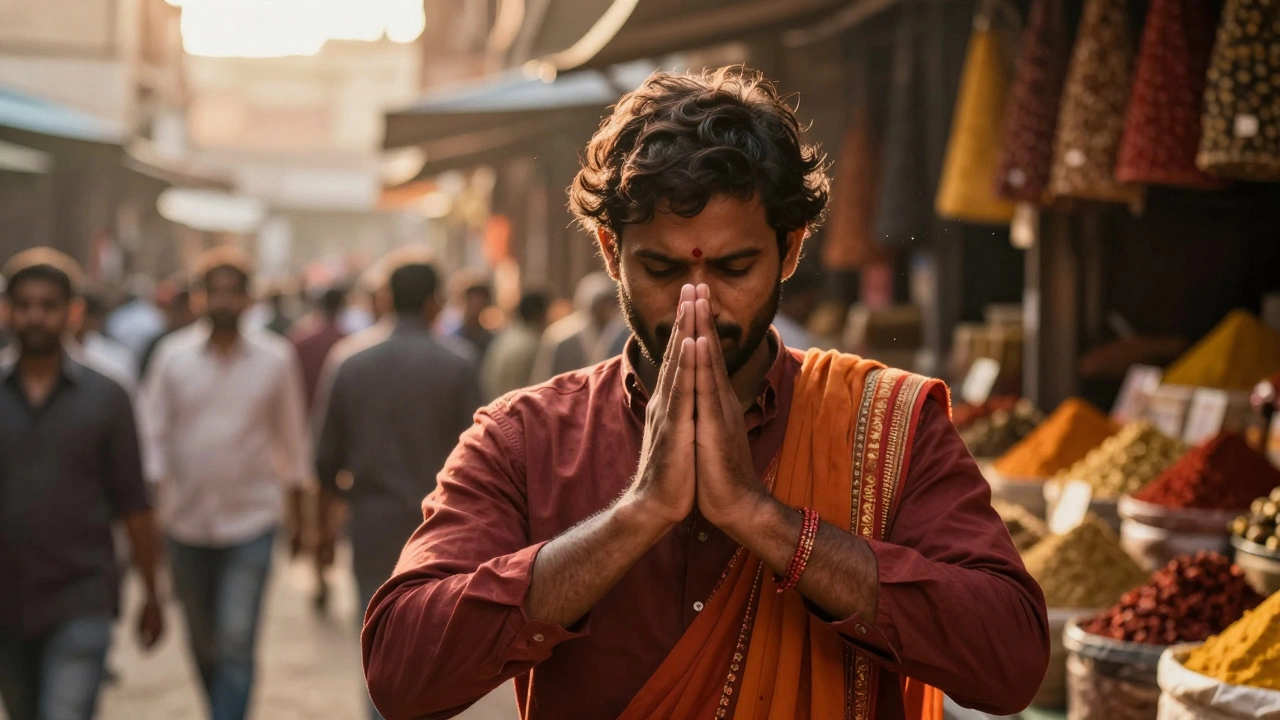
Namaste is the most widely recognized and used greeting in Hindi and across many Indian languages. Literally translating to "I bow to you," it acknowledges the divine spark within the person you are addressing. This isn't just a casual "hi"; it carries weight and reverence. When you say Namaste, you are essentially saying, "The soul in me honors the soul in you."
To perform this greeting correctly, place your palms together in front of your chest, fingers pointing upward, and bow your head slightly. This gesture, known as Anjali Mudra, is non-contact, which makes it hygienic and appropriate for all genders and relationships. You will see this everywhere: in yoga studios worldwide, at train stations, in corporate offices, and during religious ceremonies. It is safe to use with anyone, regardless of their age, gender, or social status. Unlike handshakes, which can be seen as too intimate or informal in certain traditional settings, Namaste maintains a respectful distance while conveying warmth.
Variations Based on Time and Region
While Namaste is the gold standard, Hindi has specific greetings based on the time of day, similar to English. Using the right phrase shows a deeper level of cultural fluency.
- Good Morning: "Shubh Prabhat" (शुभ प्रभात) is formal and polite. Among friends, you might hear "Suprabhat."
- Good Afternoon: "Shubh Aushadh" (शुभ औषध) is rarely used in daily conversation. Most people stick to Namaste or simply ask, "Kaise ho?" (How are you?)
- Good Evening/Night: "Shubh Sandhya" (शुभ संध्या) is formal. "Good Night" is often borrowed directly from English as "Good Naait" in casual speech.
Regional differences also play a role. In North India, where Hindi is dominant, Namaste is king. In South India, you might encounter "Vanakkam" in Tamil Nadu or "Namaskaram" in Kerala. These serve the same function but reflect local linguistic identities. Recognizing these nuances helps you navigate the diverse tapestry of Indian culture without offense.
The Art of Respect: Touching Feet and Elderly Greetings
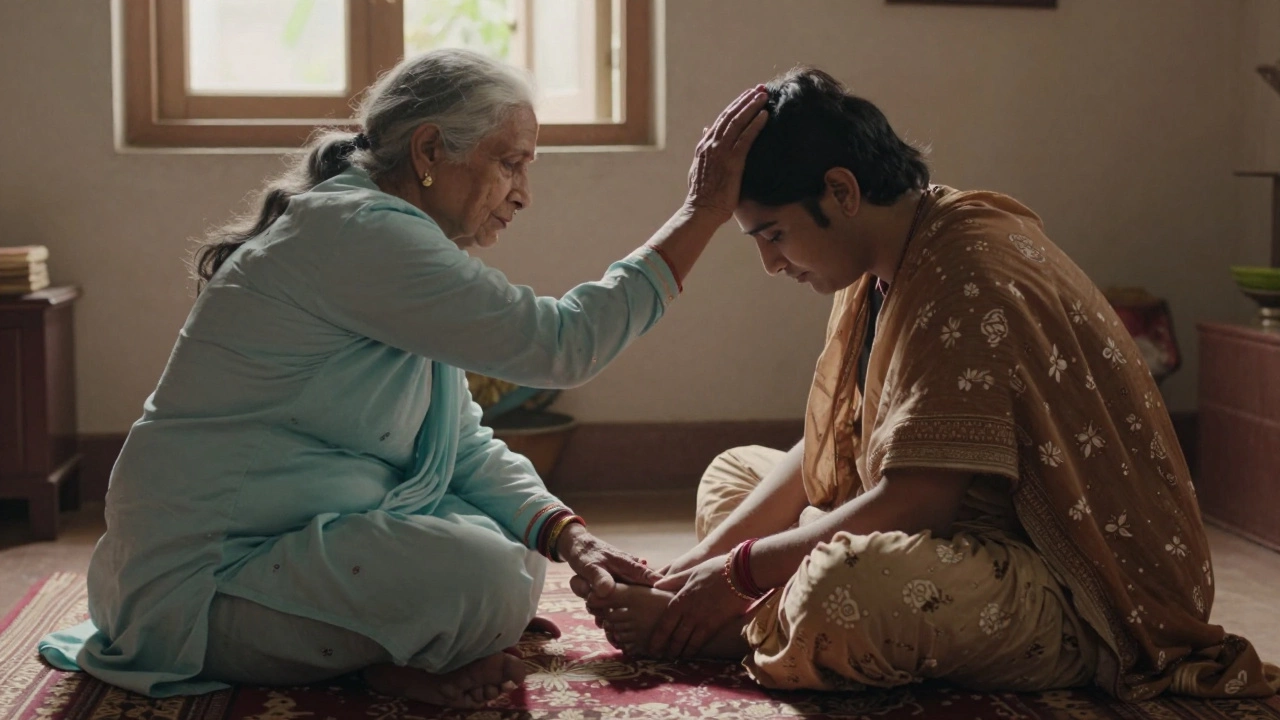
In traditional Indian households, especially in rural areas or conservative families, greetings involve physical gestures of respect toward elders. This is not about submission but about acknowledging experience and wisdom. Younger individuals may touch the feet of parents, grandparents, or teachers. This act, called "Charan Sparsh," involves bending down to touch the elder's feet with both hands, then touching those hands to one's own forehead. The elder responds by placing a hand on the younger person's head and offering a blessing (Ashirwad).
If you are a visitor, you are generally exempt from this ritual, but observing it with respect is crucial. Never interrupt this moment. It is a sacred exchange of love and gratitude. In modern urban settings, this practice is less common among peers but still prevalent during festivals or family reunions. Understanding this dynamic prevents misunderstandings, especially if you are invited to a home for dinner or a celebration.
Casual Greetings Among Friends
Once you move away from formal settings and enter the realm of friendship, Hindi becomes relaxed and playful. Handshakes are becoming more common among young professionals and peers, particularly in metropolitan cities. However, verbal greetings shift dramatically.
Common casual phrases include:
- Kaise ho? (कैसे हो?): How are you? (Informal)
- Kya haal chaal? (क्या हाल चाल?): What's up? / How have you been?
- Bhai, kya scene hai? (भाई, क्या सीन है?): Bro, what's happening? (Very informal, slang)
Notice the shift in pronouns. "Ho" is informal, used with friends and juniors. "Hain" is formal, used with seniors and strangers. Mixing these up can cause minor embarrassment but is rarely offensive if done with a smile. Body language also changes; hugs might occur between close friends of the same gender, but public displays of affection between opposite genders are still limited in many social circles.
Greetings During Festivals and Special Occasions
India is a land of festivals, and greetings change accordingly. During Diwali, the Festival of Lights, people exchange sweets and say "Diwali Ki Shubhkamnayein" (Happy Diwali). During Holi, the festival of colors, greetings are shouted amidst laughter and colored powder. Birthday celebrations, increasingly popular in urban India, blend Western traditions with Indian hospitality. Guests arrive with gifts, and the host welcomes them with open arms and food.
When attending a birthday party in India, expect a warm welcome that includes being offered snacks immediately upon entry. Refusing food can sometimes be seen as rude, so accepting even a small bite is polite. The greeting here is less about specific words and more about the energy of joy and inclusion. Phrases like "Janamdin Mubarak" (Happy Birthday) are used, but the emphasis is on shared celebration rather than individual acknowledgment.

Business Etiquette and Professional Settings
In the corporate world, India mirrors global standards but retains cultural nuances. Handshakes are standard in business meetings, especially with international clients. However, always wait for the other person to extend their hand first, particularly if they are older or senior in rank. Eye contact is important but should not be aggressive. A gentle nod accompanies the handshake.
Titles matter. Addressing someone as "Sir," "Madam," or by their professional title (e.g., Dr., Professor) until invited to use first names is the norm. Switching to first names happens gradually as trust builds. Email greetings also follow this pattern, starting formally and becoming more casual over time. Remember that business in India is relationship-driven. Taking time to chat about family, health, or recent events before diving into agenda items is not wasting time; it is building the foundation for successful negotiation.
Common Mistakes to Avoid
Even well-intentioned visitors can stumble. Here are pitfalls to watch out for:
- Using the Left Hand: In traditional contexts, the left hand is considered unclean. Always use your right hand for handshakes, passing items, or eating.
- Overly Physical Contact: Avoid hugging or kissing cheeks unless initiated by the host. Stick to Namaste or a handshake.
- Mispronouncing Names: Make an effort to learn the correct pronunciation of Indian names. It shows respect and interest.
- Ignoring Elders: Always greet the eldest person in the room first. This demonstrates awareness of hierarchy.
Avoid asking overly personal questions immediately, such as income or marital status, unless you know the person well. Small talk about travel, food, and culture is safer ground. Patience is key; conversations may take longer to get to the point, but this pacing allows for deeper connection.
Why Greetings Matter in Building Relationships
Greetings are the gateway to trust. In a high-context culture like India, how you start an interaction influences how the rest of the relationship unfolds. A sincere Namaste conveys humility and openness. It tells the other person that you see them as equals in spirit, regardless of external differences. This mindset fosters collaboration and mutual respect.
Whether you are navigating a busy street in Varanasi or closing a deal in Gurugram, the principles remain the same. Observe, adapt, and engage with sincerity. Language evolves, and so do customs, but the core value of respecting others remains constant. By embracing these practices, you not only enhance your personal experiences but also contribute to a more connected and understanding world.
Is Namaste used for both men and women?
Yes, Namaste is universally used for all genders. It is a neutral and respectful greeting suitable for any situation.
Can I shake hands with everyone in India?
Not necessarily. Handshakes are common in business and among peers, but avoid initiating them with elders or in conservative religious settings. Wait for the other person to offer their hand.
What does 'Pranam' mean?
Pranam is another term for greeting, often used in South India and by spiritual practitioners. It implies paying respects and is similar to Namaste in meaning and gesture.
How do I greet someone older than me?
Use Namaste with a deeper bow. In very traditional families, touching the feet of elders is customary, but as a visitor, a respectful Namaste is sufficient.
Is it okay to use English greetings in India?
Yes, English is widely understood, especially in cities. However, using Hindi greetings like Namaste adds a personal touch and shows cultural appreciation.