The Psychology of WhatsApp Status: What Your Updates Reveal About You
 May, 15 2026
WhatsApp Status Psychology Analyzer
✈️ Travel/Vacation Photos
Scenic views, luxury stays, adventure shots.
🌧️ Cryptic Quotes/Sad Songs
Dark filters, moody music, vague captions.
💼 Work/Laptop Pics
Coffee shops, late nights, "grinding" captions.
😂 Funny Memes
Relatable humor, trending jokes, lighthearted content.
🤳 Selfies
Close-ups, outfit checks, daily looks.
🎥 Raw/Unedited Moments
Messy rooms, bad hair days, unfiltered life.
Analysis Result
Psychological Driver:
Underlying Need:
What This Reveals About You:
You check your phone. A notification pops up. It’s not a direct message; it’s a new WhatsApp Status update from someone you know. Do you swipe away immediately? Or do you watch it twice, analyzing the background music, the lighting, and the caption? If you’re like most people in 2026, that split-second decision reveals more about human nature than you might think. We don’t just post updates to share information. We post them to perform, to connect, and sometimes, to hide.
The WhatsApp Status feature is a ephemeral content tool allowing users to share photos, videos, and text that disappear after 24 hours. Unlike permanent posts on platforms like Facebook or Instagram, this temporary nature changes the rules of engagement. It lowers the stakes but raises the psychological pressure to curate a specific image. So, what does psychology actually say about why we post these statuses, and what do they say about us?
The Ephemeral Safety Net
The biggest difference between a WhatsApp Status and a permanent photo album is time. In psychology, this is known as transience, which reduces the perceived risk of social judgment. When you post a picture on your main feed, it lives forever. People can screenshot it, judge it years later, or use it against you. But a Status vanishes. This creates a "safe space" for experimentation.
This safety net encourages a phenomenon called self-disclosure, where individuals reveal personal thoughts or feelings they might otherwise keep private. Because the content disappears, you feel freer to share a vulnerable moment, a funny fail, or an unfiltered opinion. You’re testing the waters. If no one reacts negatively, you gain confidence. If the reaction is poor, the evidence disappears in 24 hours. It’s low-risk emotional release.
However, this doesn’t mean it’s entirely casual. The knowledge that close friends and family are watching adds a layer of performance anxiety. You aren’t posting to the void; you’re posting to a curated audience of people who know you best. This paradox-feeling safe because it’s temporary, yet anxious because the audience is intimate-is central to how we use the platform today.
Curation and the Highlight Reel
Even with the safety of transience, most users still curate their Stories. We rarely post the messy reality of our lives. Instead, we engage in selective self-presentation, choosing only the most flattering or interesting moments to share. This is driven by the desire for social validation. We want to be seen as happy, successful, busy, or interesting.
Consider the "busy" status. You post a photo of your laptop with coffee, captioned "Grinding." Psychologically, this signals competence and dedication. You’re not just sharing a work break; you’re broadcasting your value. Similarly, the travel photo isn’t just about the view; it’s a signal of leisure and freedom. These are subtle cues that tell your network, "I am doing well."
This curation leads to a common trap: comparison. When you see everyone else’s highlight reels, you might feel like your own life is dull. This is known as social comparison theory, where individuals evaluate themselves by comparing to others. On WhatsApp, this is intensified because the audience is often peers-friends, classmates, colleagues. Comparing yourself to a celebrity on Instagram feels distant. Comparing yourself to your high school friend’s vacation post feels immediate and painful.
The Need for Validation and Likes
Why do we care if someone views our status? Because human beings are wired for connection. In the digital age, views and replies act as proxies for social approval. When you post a Status, you trigger a dopamine loop. You wait for the notifications. Each view is a small hit of validation. Each reply is a stronger one.
This ties into attachment styles, which influence how we seek connection online. People with anxious attachment styles might post frequently, seeking constant reassurance through views and messages. They might interpret silence as rejection. Those with secure attachment styles might post less, using the feature casually without needing immediate feedback. Understanding your own reaction to being ignored can tell you a lot about your emotional needs.
Also, consider the "reply" button. Unlike comments on public posts, replies to a Status go directly to your inbox. This makes the interaction more personal and less performative. A reply feels like a conversation starter. This encourages deeper engagement among closer ties, reinforcing the idea that WhatsApp is primarily for maintaining strong bonds, not building broad audiences.
Privacy and Audience Segmentation
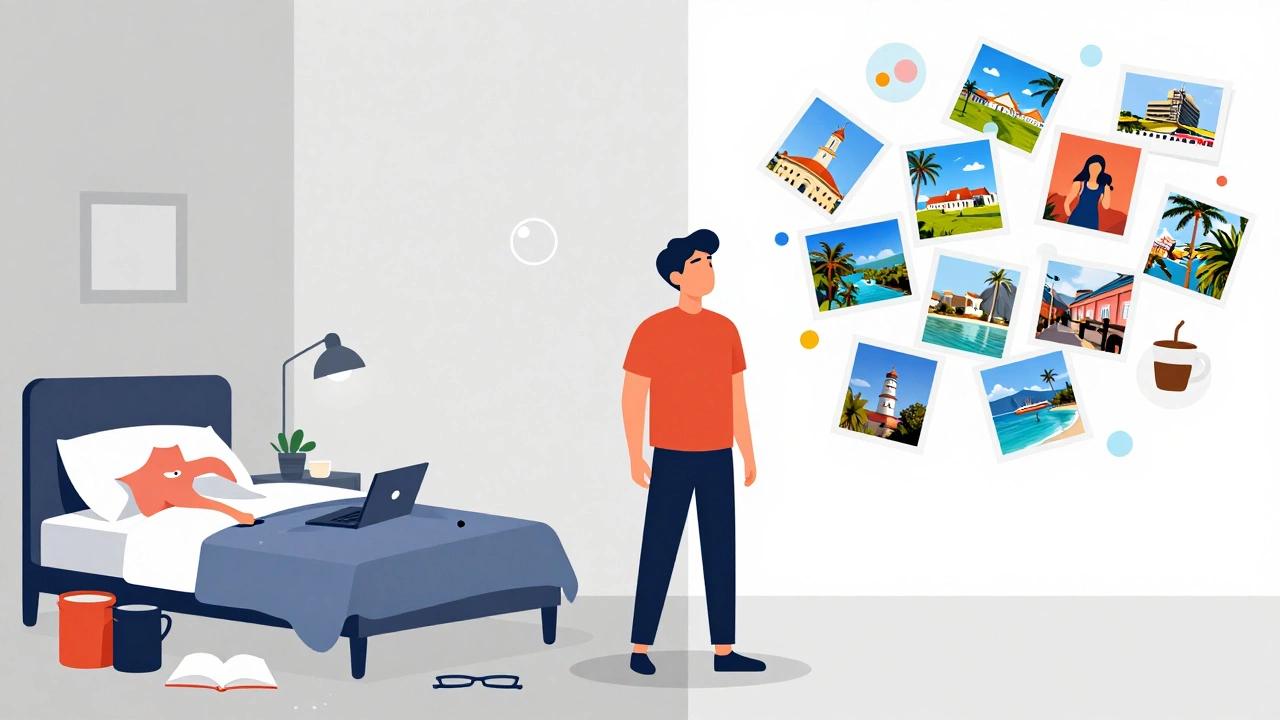
One of the most powerful psychological tools in WhatsApp is privacy control. You can choose who sees your Status. This allows for audience segmentation, tailoring content to specific groups of people. You might have a "Close Friends" list for vulnerable posts and a "Work" list for professional updates. This ability to compartmentalize your identity reduces the stress of trying to please everyone.
When you restrict who sees your posts, you create a sense of exclusivity. This boosts the perceived value of the content. Knowing that only a select few get to see your behind-the-scenes moments makes those viewers feel special. It strengthens the bond within that group. Conversely, if you post publicly to everyone, the message feels generic. The psychology here is simple: scarcity increases value.
But there’s a flip side. Hiding your Status from certain people can lead to overthinking. Did they notice I excluded them? Are they mad? This hyper-awareness of audience perception can cause unnecessary stress. It’s important to remember that most people are too focused on their own lives to analyze your privacy settings deeply.
Mood Mirroring and Emotional Contagion
Your Status often reflects your current mood. Sad songs, dark filters, cryptic quotes-these are signals of emotional distress. In psychology, this is linked to emotional contagion, where emotions spread from one person to another. When you post something sad, you’re subtly asking for comfort. Close friends will notice the shift in tone and may reach out. It’s a non-verbal cry for help that doesn’t require a direct conversation.
On the other hand, posting upbeat content can lift your own mood. This is called behavioral activation, where engaging in positive activities improves mental state. Sharing joy amplifies it. When friends react positively, you feel even better. This creates a feedback loop where positive sharing leads to positive reinforcement.
However, be cautious with negative posting. Constantly sharing grievances can train your network to expect drama. It can also reinforce your own negative mindset. If you’re stuck in a slump, posting about it repeatedly might keep you anchored in that feeling. Sometimes, stepping back from the Status feature is the healthiest choice.
| Status Type | Psychological Driver | Underlying Need |
|---|---|---|
| Travel/Vacation Photos | Social Comparison | To signal success and leisure |
| Cryptic Quotes/Sad Songs | Emotional Contagion | To seek empathy or support |
| Work/Laptop Pics | Selective Self-Presentation | To demonstrate competence and busyness |
| Funny Memes | Affiliation | To build rapport and lighten mood |
| Selfies | Narcissistic Supply (Healthy) | To affirm self-image and identity |
The Fear of Missing Out (FOMO)
It’s not just about posting; it’s about viewing. Why do you scroll through every single Status when you open WhatsApp? The answer is FOMO, or the fear of missing out on social events or conversations. You want to stay updated on your friends’ lives without having to ask them directly. It’s passive surveillance that keeps you connected.
This constant checking can disrupt your focus. Every time you glance at your phone, you’re interrupting your flow. The anticipation of a new Status acts as a variable reward, similar to a slot machine. You never know who will post next, so you keep checking. This habit can become addictive, leading to compulsive phone usage.
To combat this, try turning off read receipts or hiding the last seen status. This reduces the pressure to respond immediately and gives you more control over your attention. Remember, you don’t need to see everything. Curating your consumption is just as important as curating your posts.
Authenticity vs. Performance
In 2026, there’s a growing trend toward authenticity. Users are tired of the polished, filtered look. There’s a rise in raw, unedited content. This shift reflects a broader cultural move toward vulnerability, which builds trust and deeper connections. Posting a messy room or a bad hair day can make you seem more relatable and human.
However, balance is key. Too much negativity can overwhelm your audience. Too much perfection can alienate them. The sweet spot is honest representation. Share the good, but acknowledge the bad. Let your Status be a mirror of your real life, not a mask. This approach fosters genuine interactions and reduces the pressure to maintain a flawless image.
Ultimately, your WhatsApp Status is a tool. It can be used to connect, to express, or to escape. Understanding the psychology behind it helps you use it intentionally. Ask yourself: Why am I posting this? Who do I want to see it? How do I want to feel afterward? By answering these questions, you take control of your digital narrative.
Does posting on WhatsApp Status affect mental health?
Yes, it can. Excessive posting for validation can lead to anxiety and depression, especially if reactions are poor. Comparing your life to others' highlights can lower self-esteem. However, using it to share joy and connect with friends can boost mood and reduce loneliness. Balance is crucial.
Why do people post sad quotes on WhatsApp Status?
Sad quotes are often a form of indirect communication. They allow users to express pain or vulnerability without having to explain it directly. This can attract empathy from close friends who recognize the cue, providing support without forcing a conversation.
Is it okay to hide my WhatsApp Status from certain people?
Absolutely. Privacy controls exist for a reason. Hiding your status from acquaintances, ex-partners, or toxic contacts can protect your peace of mind. It allows you to share authentically with those who truly care, reducing the pressure to perform for a wider audience.
What does it mean if someone never posts on WhatsApp Status?
It could mean many things. They might prefer direct communication, value privacy highly, or simply find the feature unnecessary. Don't assume they're secretive or unhappy. Some people just live their lives offline and don't feel the need to broadcast every moment.
How can I use WhatsApp Status more intentionally?
Start by defining your purpose. Are you sharing to inform, entertain, or connect? Limit your posting frequency to avoid dependency on validation. Use privacy settings to tailor your audience. Finally, reflect on how posting makes you feel. If it brings joy, keep going. If it causes stress, take a break.