The Beautiful Symbol of Friendship: Meaning, History & Modern Gestures
 Jun, 2 2026
Friendship Symbol Selector
Have you ever wondered why we use specific objects to represent the invisible bond between friends? It’s not just about aesthetics. Symbols act as anchors for our emotions, giving a physical form to feelings that are otherwise hard to explain. When people ask, "What is the beautiful symbol of friendship?" they are often looking for a way to express loyalty, trust, and shared history without saying a word.
In India, this question carries extra weight. Our culture is deeply rooted in relationships, and we have unique traditions that turn simple items into powerful emblems of connection. From the sacred thread tied on wrists during festivals to the bitter flowers exchanged on birthdays, every gesture tells a story. Let’s explore what these symbols mean, why they matter, and how you can use them to strengthen your own friendships today.
The Kadwa Phool: Bitterness That Proves Sweetness
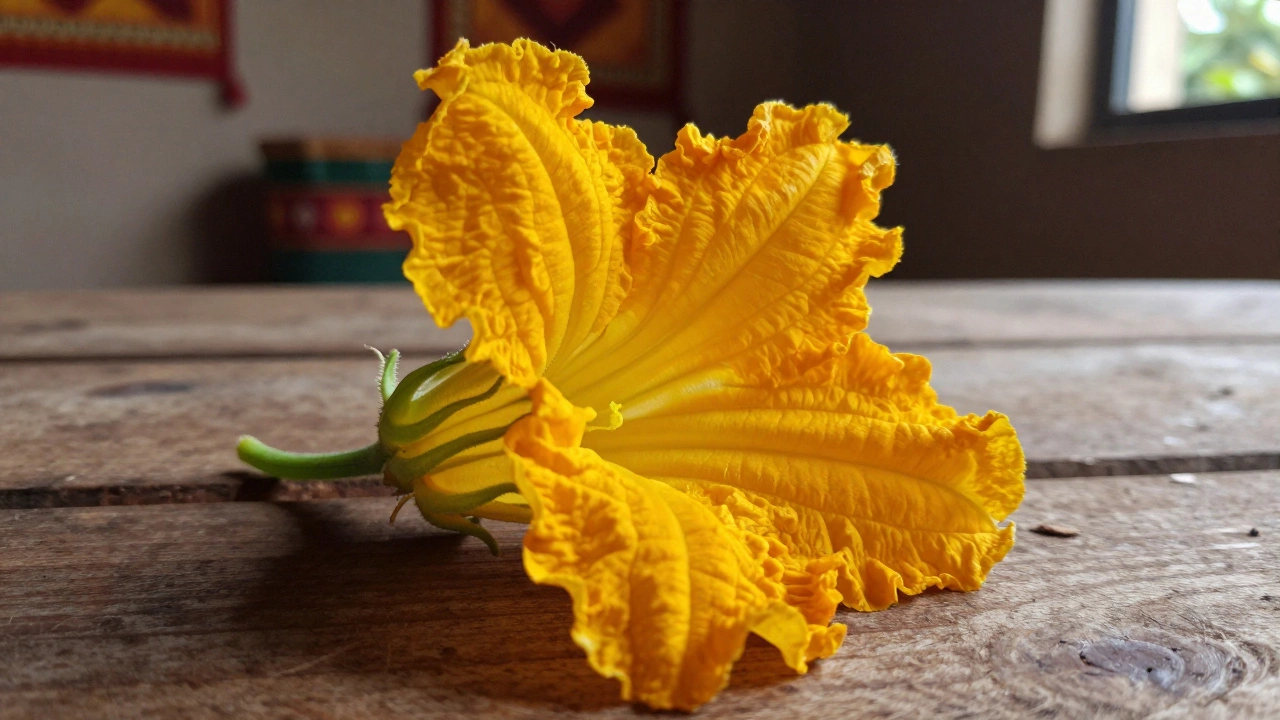
If you grew up in India or have close friends here, you likely know the Kadwa Phool is a bitter gourd flower used as a traditional symbol of enduring friendship. Also known as Bitter Gourd Bloom, it has become the unofficial emblem of true friendship in modern Indian youth culture.
Why a bitter flower? The logic is surprisingly profound. Life isn’t always sweet. There are days when things go wrong, misunderstandings happen, and patience is tested. A friend who stays by your side through those "bitter" moments is worth more than anyone who only shows up for the celebrations. By exchanging a Kadwa Phool, usually on a friend’s birthday, you are making a silent promise: "I will stand with you even when life gets tough."
This tradition gained massive popularity in the early 2000s but remains relevant today. It’s a low-cost, high-emotion gesture. You don’t need an expensive gift box. You just need a single yellow-orange bloom from a bitter gourd vine and a heartfelt note. It’s raw, it’s honest, and it cuts through the superficiality of social media likes.
- When to give it: Primarily on birthdays, but also after resolving a conflict.
- Who gives it: Best friends, childhood pals, and siblings.
- The message: Loyalty through hardship.
Rakhi: The Sacred Thread of Protection
While Kadwa Phool represents peer-to-peer loyalty, Rakhi is a decorative thread tied by sisters on brothers' wrists to symbolize protection and love. Originating from ancient Hindu scriptures, it has evolved into a broader symbol of familial and platonic bonds.
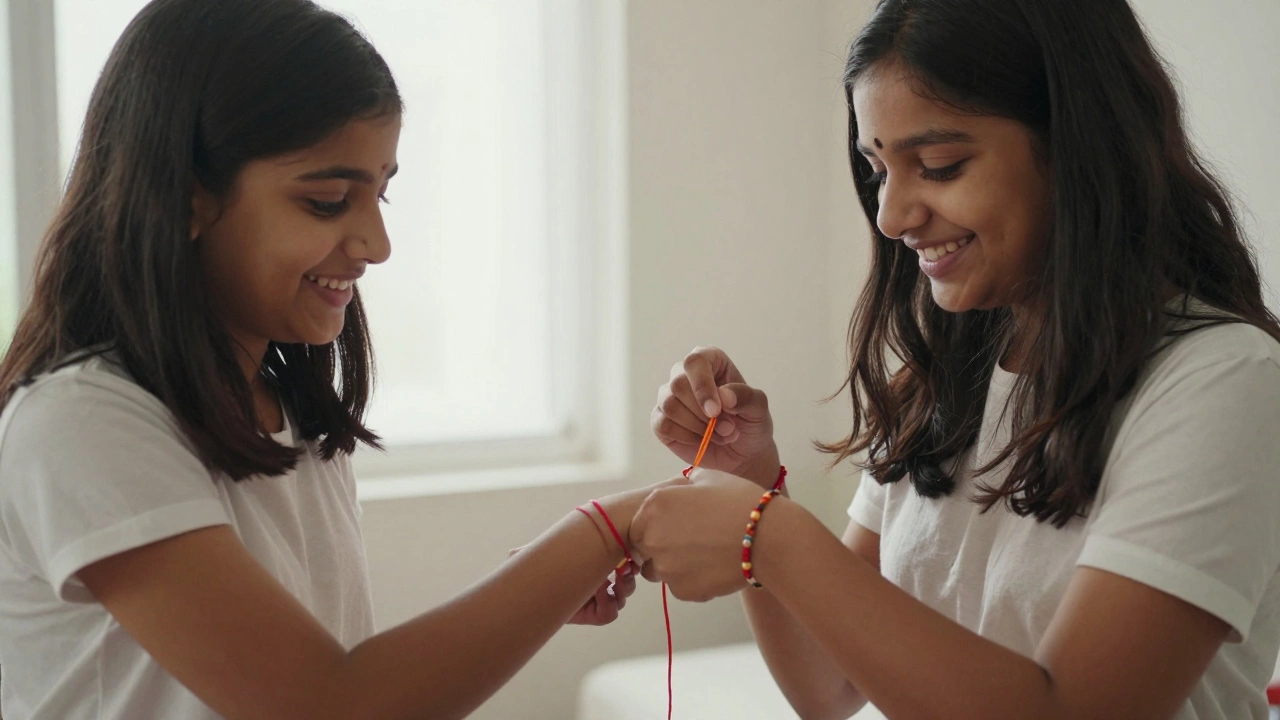
You might think Rakhi is strictly for brothers and sisters. But look closer at modern celebrations in Delhi, Mumbai, or Bangalore. Many friends tie Rakhis on each other’s wrists. In fact, there is a growing trend of "Rakhi Friends" where platonic partners exchange these threads to signify a bond that transcends gender and blood relations. The core promise remains the same: I protect you, and you protect me.
The beauty of Rakhi lies in its ritualistic nature. It’s not just a gift; it’s an action. The tying of the thread requires presence, attention, and intent. In a world where communication happens via text messages, the physical act of tying a thread creates a memory that lasts. It reminds us that friendship is active, not passive.
The Infinity Knot: Eternal Connection
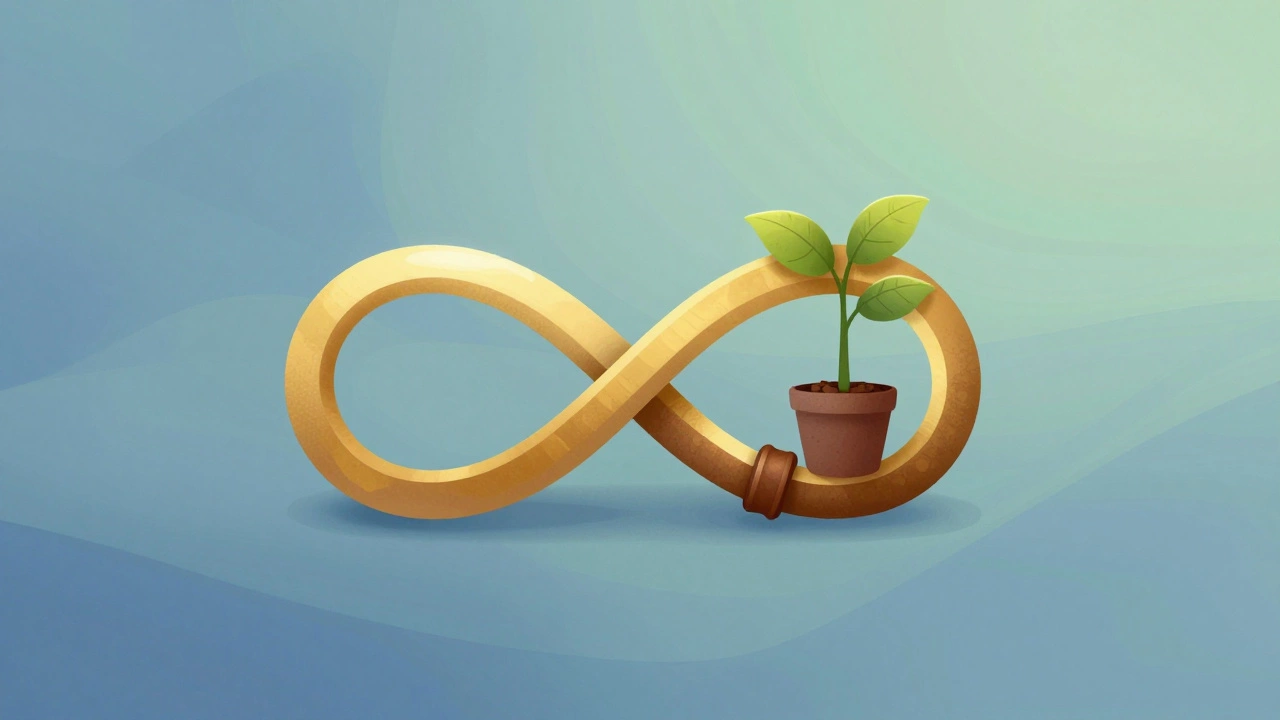
For those who prefer universal symbols over cultural specifics, the infinity knot (∞) stands out. This mathematical concept of endlessness has been adopted globally as a symbol of eternal friendship. Unlike the Kadwa Phool, which speaks of endurance through bitterness, the infinity knot speaks of timelessness.
In jewelry and tattoos, the infinity symbol is often intertwined with hearts or initials. It suggests that the connection between two people has no beginning and no end. For long-distance friends, this symbol is particularly resonant. Distance changes geography, but it doesn’t change the loop of the bond.
| Symbol | Origin/Culture | Core Meaning | Best Occasion |
|---|---|---|---|
| Kadwa Phool | India | Loyalty in hardship | Birthdays, reconciliations |
| Rakhi | India (Hindu) | Protection and duty | Raksha Bandhan, special vows |
| Infinity Knot | Global/Mathematical | Eternal connection | Anniversaries, long-distance gestures |
| Matching Bracelets | Western/Global | Unity and partnership | Vacations, graduations |
Matching Bracelets and Tokens of Unity
Another common symbol, especially among younger generations, is the matching bracelet. These are often simple strings, beads, or leather bands worn on the wrist. The idea is visual unity. When you see your friend wearing the same band as you, it serves as a constant reminder of your pact.
This tradition borrows from Western "promise rings" but adapts it for platonic love. It’s less formal than a Rakhi but more permanent than a Kadwa Phool, which wilts in a day. Matching bracelets are durable. They get dirty, they fray, and they stay. Just like real friendship. They require maintenance-just as relationships do-but they remain visible markers of your alliance.
Words as Symbols: The Power of Friendship Quotes
Sometimes, the most beautiful symbol isn’t an object at all. It’s a sentence. In India, sharing Friendship Quotes are short poetic statements that capture the essence of platonic love and loyalty. Often shared on WhatsApp status or Instagram stories, they serve as digital tokens of affection.
Consider this popular sentiment: "Dosti wo nahi jo haath pakde rakhe, dosti wo hai jo girne se bachaye." (Friendship is not holding hands; it’s catching you when you fall.) This quote acts as a symbol because it distills complex emotional support into a memorable phrase. When you send this to a friend, you’re not just sending text; you’re invoking a shared understanding of support.
In the digital age, where attention spans are short, a well-chosen quote can be more impactful than a generic "Happy Birthday." It shows you put thought into selecting words that resonate with your specific dynamic. Whether it’s a humorous roast or a deep philosophical line, the quote becomes a shorthand for your relationship.
Choosing the Right Symbol for Your Friend
So, which symbol should you choose? It depends on the nature of your friendship and the message you want to convey.
- For the resilient friend: Give a Kadwa Phool. Acknowledge their strength and your commitment to sticking around during tough times.
- For the protective friend: Tie a Rakhi. Honor their role as your guardian and supporter.
- For the distant friend: Share an infinity symbol or a matching bracelet. Remind them that distance doesn’t break the loop.
- For the intellectual friend: Send a meaningful quote. Engage their mind and heart simultaneously.
Don’t feel pressured to pick the "most popular" option. The best symbol is the one that feels authentic to your shared history. Did you survive college exams together? A Kadwa Phool fits perfectly. Have you traveled together? Matching bracelets make sense. The context matters more than the object itself.
Modern Twists on Traditional Symbols
Tradition isn’t static. In 2026, we see creative blends of old and new. For example, many friends now exchange digital Kadwa Phools via animated e-cards if they can’t meet in person. Others customize Rakhis with photos of themselves, turning the sacred thread into a personalized memory keeper.
There’s also a rise in eco-friendly symbols. Instead of plastic trinkets, friends exchange seeds or small plants. This symbolizes growth. "Let’s grow together," the plant says. It’s sustainable, alive, and requires care-much like friendship itself.
Remember, the symbol is just the vessel. The water inside-the love, respect, and time you invest-is what makes it valuable. Whether it’s a bitter flower, a sacred thread, or a simple text message, the intention behind it is what transforms an object into a beautiful symbol of friendship.
What is the most popular symbol of friendship in India?
The Kadwa Phool (bitter gourd flower) is arguably the most iconic modern symbol of friendship in India, especially among youth. It represents staying loyal through difficult times. Traditionally, Rakhi is also a major symbol, representing protection and familial-like bonds.
Why is the Kadwa Phool considered a symbol of true friendship?
The Kadwa Phool is bitter to taste, symbolizing the hardships of life. Giving it to a friend signifies that you will support them even during "bitter" or challenging periods, not just during happy moments. It emphasizes resilience and unconditional loyalty.
Can friends exchange Rakhis?
Yes, absolutely. While Rakhi traditionally ties siblings, it is increasingly common for close friends to tie Rakhis on each other's wrists. This act signifies a bond of mutual protection and care that goes beyond biological family ties.
What are some good friendship quotes to share?
Popular quotes include: "A friend is one who knows you and loves you just the same," and in Hindi, "Dosti wo nahi jo haath pakde rakhe, dosti wo hai jo girne se bachaye." Choose quotes that reflect your specific dynamic, whether humorous or sentimental.
Is the infinity symbol appropriate for platonic friendship?
Yes, the infinity symbol (∞) is widely used for platonic friendships to represent an unbreakable, timeless bond. It is neutral and focuses on the duration and strength of the connection rather than romantic implication.