The 3 3 3 Rule for Survival: A Complete Guide to Staying Alive
 Jul, 17 2026
Survival Priority Simulator
Instructions: Select a survival scenario below, then arrange the four survival needs in order of priority (1 being most urgent). Test if you know the correct 3 3 3 rule hierarchy.
Lost in Forest
Winter conditions, night approachingUrban Earthquake
Trapped in building rubbleDesert Stranded
Car breakdown, extreme heatDrag or click to set priority order (1 = Most Urgent):
Why This Order Matters:
You are lost. The sun is going down. Your phone has no signal. Panic starts to rise in your chest. In moments like these, knowing what matters most can mean the difference between life and death. This is where the 3 3 3 rule is a fundamental guideline in wilderness survival that helps prioritize needs based on time limits: air, shelter, water, and food. It tells you exactly what to fix first. This isn't just a catchy phrase for preppers. It is a logical framework used by search and rescue teams, military personnel, and outdoor experts worldwide. Understanding this hierarchy stops you from wasting energy on things that won't kill you immediately, while ignoring the things that will. Let's break down each number so you know exactly how to act when everything goes wrong.
The First Three Minutes: Air and Immediate Danger
The first "3" stands for three minutes without air. This seems obvious, but it is the most critical part of the rule. If you cannot breathe, nothing else matters. You have less than five minutes before brain damage occurs, and even less if you are underwater or in a smoke-filled room. Air quality is the immediate priority in any survival situation, focusing on clearing the airway and escaping toxic environments. In a wilderness setting, "air" often translates to getting out of immediate physical danger. Are you trapped under a fallen tree? Is there smoke from a wildfire? Are you in a flood zone? Your first action must be to secure your breathing space. Clear your airway. Move away from carbon monoxide sources like car exhausts or campfires in enclosed tents. If you are in a vehicle accident, get out if there is a risk of fire or explosion. These actions take seconds, not hours. Do not waste time gathering supplies if you are currently choking or suffocating.
The Second Three Hours: Shelter and Temperature Control
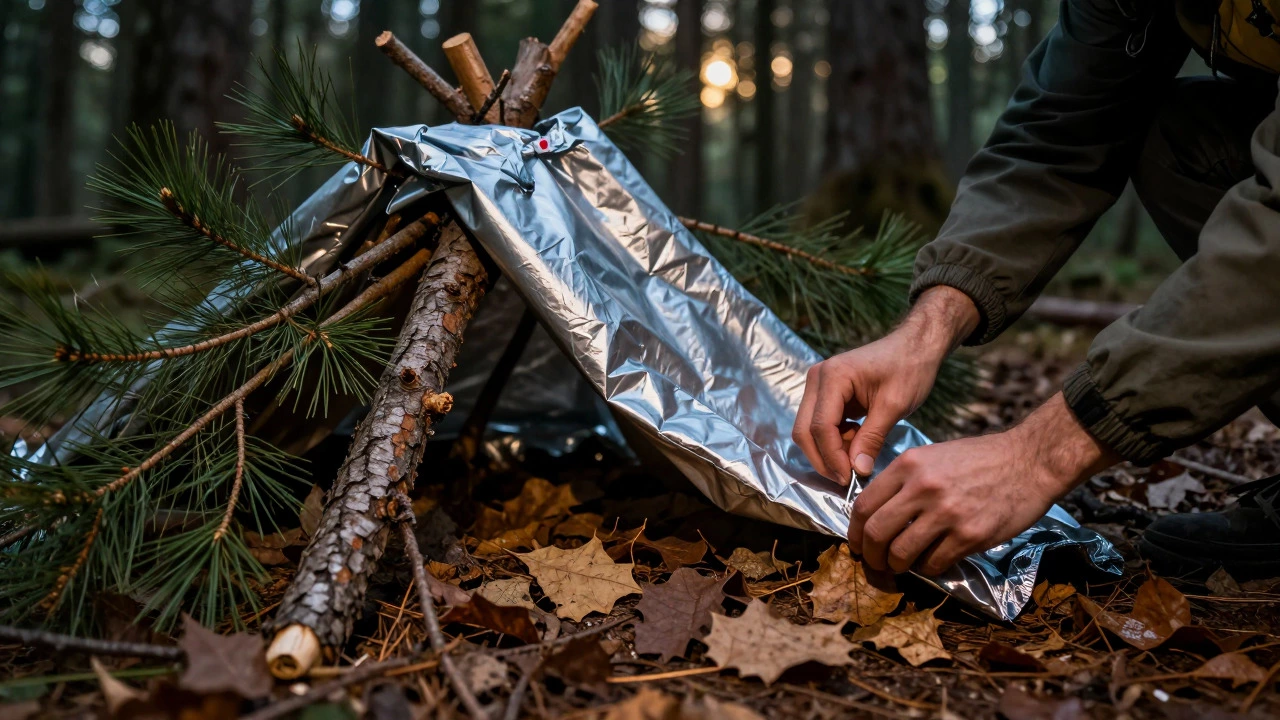
Once you can breathe, the next clock starts ticking. You can survive approximately three hours without shelter in extreme conditions. This is where most people make fatal mistakes. They think they need to find food or walk miles to find help. Instead, you need to stop and protect yourself from the elements. Shelter is a protective structure or natural cover that prevents hypothermia or hyperthermia, crucial for surviving exposure. Hypothermia is a silent killer. It does not require snow to happen. Wet clothes in a 50-degree Fahrenheit wind can drop your body temperature dangerously low within an hour. On the flip side, heatstroke in desert conditions can kill you just as fast. Your goal is to maintain your core body temperature. Here is what you do:
- Stop moving: Walking generates sweat, which cools you down. Unless you are in immediate danger, stay put.
- Find cover: Use a rock overhang, a dense bush, or build a lean-to against a tree. Even a simple tarp or plastic bag can reflect body heat back to you.
- Insulate from the ground: The ground sucks heat away from your body faster than the air. Sit on leaves, pine needles, or your backpack.
- Stay dry: If you are wet, change into dry layers if possible. If not, create a barrier between your skin and wet clothing.
The Third Three Days: Water Hydration
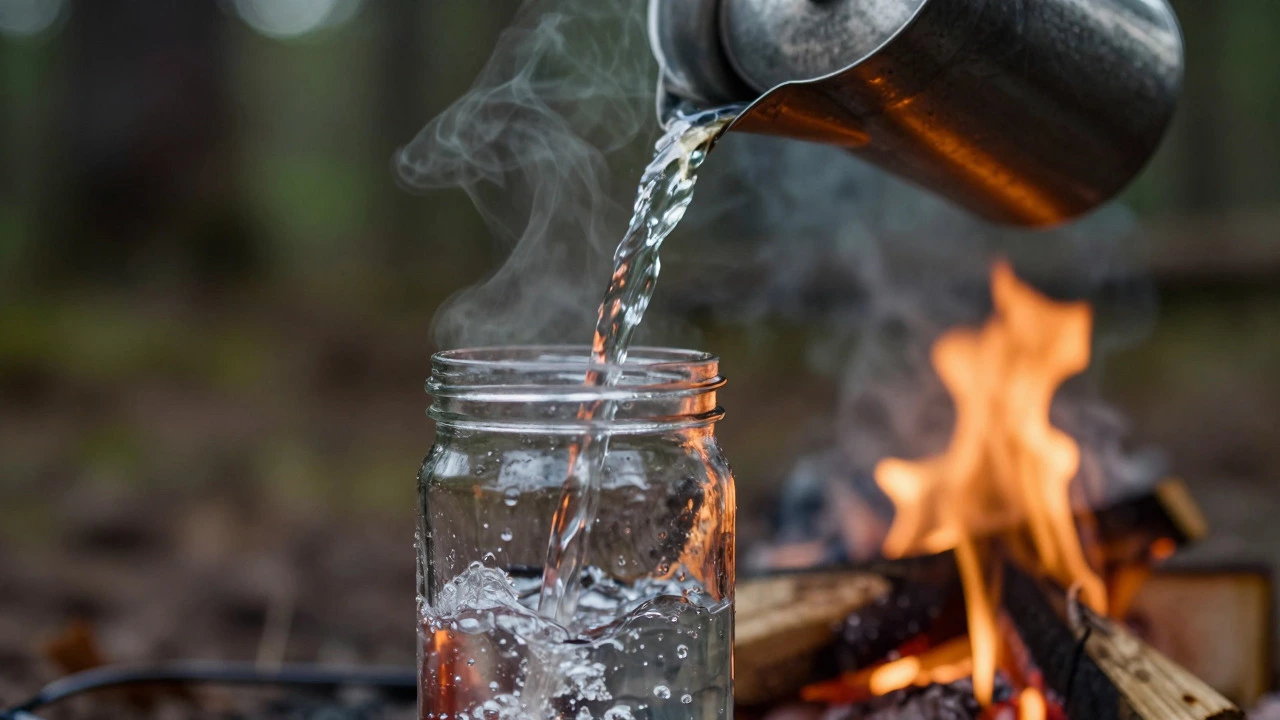
If you have air and shelter, you now have a buffer. You can survive about three days without water. However, dehydration sets in much sooner, impairing your judgment and physical ability. Within 24 to 48 hours, you will feel weak, dizzy, and confused. This confusion leads to bad decisions, which can be fatal. Water purification is the process of removing biological, chemical, and physical contaminants from water to make it safe for human consumption. Finding water is step one. Look for flowing water, green vegetation, or animal trails leading downhill. But finding it is not enough. Drinking dirty water can cause diarrhea, which accelerates dehydration. You must purify it. How to purify water in the wild:
- Boiling: The most reliable method. Bring water to a rolling boil for at least one minute (three minutes at high altitudes).
- Filtration: Use a portable filter if you have one. These remove bacteria and protozoa but may miss viruses.
- Chemical treatment: Iodine or chlorine dioxide tablets are lightweight and effective against most pathogens.
- UV Light: Devices like SteriPens use ultraviolet light to disable microorganisms.
The Fourth Three Weeks: Food and Nutrition
The final "3" refers to three weeks without food. Yes, you can live for weeks without eating. While you will feel hungry, irritable, and weak, starvation is rarely the immediate cause of death in short-term survival scenarios. This is why searching for food should be your lowest priority. Wilderness foraging is the practice of identifying and collecting edible plants, insects, and animals in the wild for sustenance. Why is food last?
- Caloric cost: Hunting or foraging burns calories. If you spend 1,000 calories looking for a 500-calorie meal, you lose net energy.
- Risk of poisoning: Misidentifying a plant can lead to organ failure. Only eat what you are 100% sure is safe.
- Digestion requires water: Eating protein-heavy foods like meat requires significant water to digest. If water is scarce, eating can actually dehydrate you faster.
Common Mistakes That Break the Rule
Even people who know the 3 3 3 rule often fail because of psychology. Here are the biggest pitfalls: Panic and Rushing: The instinct is to run. Running uses oxygen, creates sweat (leading to heat loss), and burns calories. Slow down. Breathe. Assess. The rule only works if you apply it calmly. Ignoring Shelter for Water: Some people hike ten miles in freezing rain to find a stream. They arrive dehydrated but also hypothermic. Fix your temperature first. Once you are warm and dry, then seek water. Overestimating Food Needs: Survivors often obsess over hunger. "I'm starving!" becomes a mantra. Remind yourself: you have weeks. Save your energy. Hunger is uncomfortable; cold and thirst are deadly.
| Priority | Time Limit | Key Action | Risk of Neglect |
|---|---|---|---|
| Air / Safety | 3 Minutes | Clear airway, escape danger | Immediate death or brain damage |
| Shelter | 3 Hours | Protect from weather, stay dry | Hypothermia or heatstroke |
| Water | 3 Days | Find and purify source | Dehydration, organ failure |
| Food | 3 Weeks | Forage or hunt efficiently | Weakness, malnutrition |
Applying the Rule in Urban Emergencies
The 3 3 3 rule isn't just for forests. It applies to city disasters too. Earthquake: 1. Air/Safety: Drop, Cover, Hold On. Get out of falling debris zones. 2. Shelter: If trapped, create a space to breathe dust-free air. Protect head from further collapse. 3. Water: Locate bottled water or clean tap water if pipes hold. 4. Food: Ration pantry items. Do not eat perishables if power is out. Car Breakdown in Winter: 1. Air: Crack window slightly to prevent CO buildup if running engine. 2. Shelter: Stay in the car. It blocks wind. Run engine briefly to warm up, then turn off to save fuel. 3. Water: Melt snow for water if necessary. Drink slowly. 4. Food: Eat snacks sparingly to maintain blood sugar.
Psychological Survival: The Hidden Factor
Physical needs are clear, but mental resilience keeps you alive. Studies show that many survivors credit their mindset for making it through. When you accept the situation and focus on the next small task, panic subsides. Use the STOP method:
- Sit down.
- Think about your situation.
- Observe your surroundings.
- Plan your next steps based on the 3 3 3 rule.
Preparing Before You Need It
You don't have to wait for an emergency to prepare. Carry a basic kit:
- Multi-tool: For building shelter or repairs.
- Fire starter: Waterproof matches or ferro rod for warmth and signaling.
- Emergency blanket: Lightweight, reflects heat, doubles as a signal mirror.
- Water bottle/filter: Always carry water. A straw-style filter allows you to drink from streams safely.
- Whistle: Easier to hear than shouting, saves vocal energy.
What is the 3 3 3 rule in survival?
The 3 3 3 rule states that you can survive 3 minutes without air, 3 hours without shelter in extreme conditions, 3 days without water, and 3 weeks without food. It helps prioritize actions during an emergency.
Is the 3 3 3 rule accurate?
Yes, it is a widely accepted guideline among survival experts. While individual tolerance varies based on health, age, and environment, the hierarchy of needs remains consistent: air, shelter, water, food.
Should I look for food first if I'm hungry?
No. Hunger is the least urgent need. Searching for food burns calories and energy. Focus on shelter and water first. You can survive weeks without food, but only days without water.
How do I purify water in the wild?
Boiling is the most effective method. Boil water for at least one minute. Alternatively, use water purification tablets, a portable filter, or UV light devices. Avoid drinking untreated stagnant water.
What is the most important thing to do in a survival situation?
Stay calm and assess immediate threats to air and safety. Then, prioritize shelter to regulate body temperature. Panic leads to poor decisions and rapid exhaustion.