Poets and Mental Health: How Struggle Shaped Great Literature
 Apr, 17 2026
Emotional Externalization Tool
As discussed in the article, writing poetry helps organize chaos. Select an emotion you're feeling to see how a poetic metaphor can help externalize it.
Select an emotion from the list to begin the externalization process.
Emotion
Now Your Turn:
Try to describe this feeling as a physical object, a weather pattern, or a strange machine. Write it down in a journal to take the power away from the emotion.
Quick Takeaways
- Many legendary poets struggled with clinical depression and bipolar disorder.
- Mental illness often provided a lens for exploring existential dread and isolation.
- The "tortured artist" trope is dangerous and oversimplifies the reality of suffering.
- Modern poets in India and globally are using their work to destigmatize mental health.
The Weight of the World: Sylvia Plath and Clinical Depression
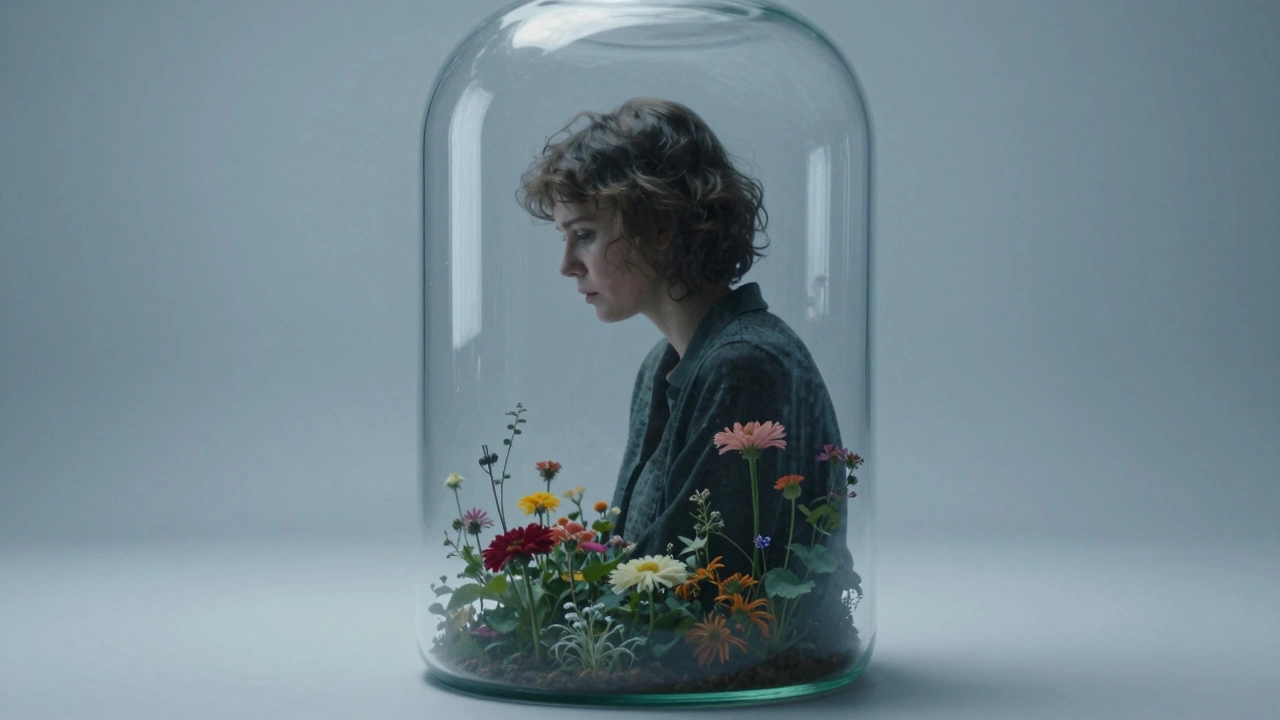
You can't talk about sadness in poetry without mentioning Sylvia Plath is an American poet and novelist known for her intense, confessional style and her struggle with severe depression. She didn't just write about sadness; she mapped it. In her collection Ariel, Plath used sharp, cold imagery to describe a psychic pain that felt physical. For her, depression wasn't just a mood-it was a bell jar, a glass dome that trapped her and distorted her view of the world while everyone else breathed fresh air.
Plath's work is a prime example of poets with mental illness who used the page as a survival mechanism. When you read her poems, you aren't just reading literature; you're reading a medical record of a mind slipping away. Her ability to turn a breakdown into a masterpiece shows how art can be a way to communicate the 'uncommunicable,' even if the poet themselves couldn't find a way out of the dark.
The Highs and Lows: Virginia Woolf and Bipolarity
Then there's Virginia Woolf is a pioneering modernist writer and poet whose work explored the stream of consciousness and the fragility of the human mind. While she's more famous for her novels, her poetic approach to prose revealed a mind moving at a speed that was often unsustainable. Woolf experienced what we would now likely identify as bipolar disorder-periods of intense creative euphoria followed by crushing crashes into silence and despair.
Woolf often described hearing voices, a symptom that terrified her and eventually led to her decision to end her life in the River Ouse. But look at her work, and you see a woman who understood the 'moments of being' better than anyone. She captured the erratic, shimmering nature of thought. For Woolf, the illness was both a burden and a bridge to a deeper understanding of how humans actually experience time and emotion.
The Shadow of the East: Sadness in Indian Poetic Traditions
In the context of India, the conversation around mental health in poetry is different. For a long time, we didn't have a word for 'clinical depression' in the way the West does. Instead, we had viraha (the pain of separation) or the deep, spiritual longing found in Sufi poetry. However, the underlying struggle-the feeling of being disconnected from society or crushed by an invisible weight-is the same.
Many modern poets in Delhi and Mumbai are now breaking the silence. They are moving away from the romanticized 'sad poet' and toward a more honest exploration of anxiety and PTSD. In the urban chaos of India, poetry has become a sanctuary for those dealing with the pressure of familial expectations and the isolation of big cities. The sadness isn't just an aesthetic choice here; it's a response to a systemic lack of mental health support.
Comparing the Patterns of Creative Struggle
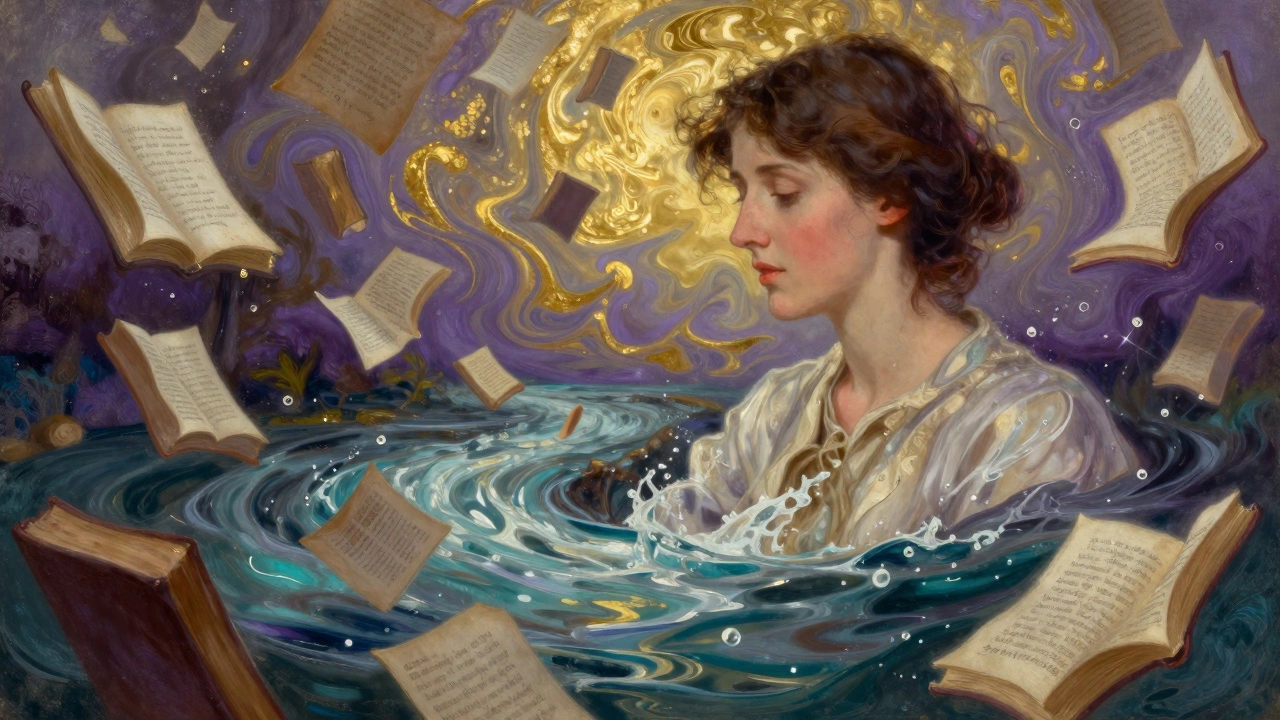
It's helpful to see how different mental health struggles manifest in the work of these icons. While depression often leads to themes of emptiness, bipolarity often creates a contrast between extreme energy and total collapse.
| Poet | Primary Struggle | Key Theme in Work | Emotional Tone |
|---|---|---|---|
| Sylvia Plath | Severe Depression | Suffocation and Death | Cold, Sharp, Direct |
| Virginia Woolf | Bipolar / Psychosis | Fluidity of Time | Ethereal, Shifting |
| Edgar Allan Poe | Addiction / Depression | Grief and Macabre | Gothic, Haunting |
The Myth of the Tortured Artist
We need to stop believing that you have to be miserable to be a great writer. This is the most dangerous lie in the arts. There's a common idea that mental illness is the 'fuel' for creativity, but that's not how it actually works. Sylvia Plath didn't write great poetry because she was depressed; she wrote great poetry despite the fact that her depression was trying to kill her. The illness didn't provide the talent-the talent allowed her to survive and document the illness.
When we romanticize the 'tortured artist,' we ignore the actual agony of the condition. Depression isn't a poetic mood; it's an inability to get out of bed, a loss of appetite, and a terrifying sense of hopelessness. When a poet manages to produce work during these episodes, it's an act of incredible will, not a byproduct of the disease. The art is the response to the pain, not the cause of it.

How Modern Poetry is Healing the Mind
Today, we see a shift toward Poetry Therapy is the use of poetry both as a therapeutic tool and a creative process to help individuals process trauma and emotion. In many Indian cities, poetry slams and open mics have become informal support groups. People aren't just reciting poems to get applause; they are speaking their truth about panic attacks, burnout, and grief.
Writing poetry forces a person to organize their chaos. By assigning a metaphor to a feeling-saying "my anxiety is a swarm of bees"-you take the power away from the emotion and put it back into your own hands. It's a way of externalizing the internal. When you see someone else nod in agreement while you read a poem about loneliness, the isolation of mental illness begins to crack.
The Connection Between Grief and Madness
Many poets who are labeled as 'mentally ill' were actually experiencing profound, untreated grief. Edgar Allan Poe spent much of his life haunted by the deaths of the women he loved. His obsession with the macabre wasn't just a gothic preference; it was a manifestation of a mind that couldn't move past loss. In many ways, the line between a 'mental illness' and a 'broken heart' is thinner than we think.
In the tradition of sad poetry in India, this is often seen in the works of poets who write about longing. When the pain of longing becomes so great that it disrupts a person's ability to function in society, is it a romantic tragedy or a clinical condition? The answer is usually both. The poetry serves as the evidence of that intersection.
Did mental illness actually make these poets more creative?
Not necessarily. While the themes of their work were often influenced by their struggles, the creativity itself came from their skill and discipline. Many people struggle with mental illness without becoming poets; the talent is separate from the disorder. The illness often made it harder for them to write, not easier.
Why is there such a strong link between poetry and sadness?
Poetry is designed to capture the essence of an emotion. Sadness, grief, and longing are some of the most intense human experiences, making them fertile ground for poetic exploration. It allows the writer to express things that are too heavy for normal conversation.
Who are some Indian poets known for writing about deep sadness?
While many classical poets explored longing (Viraha), modern Indian poets are increasingly open about clinical depression and anxiety. You'll find this trend in contemporary spoken word poetry and independent literary journals in cities like Delhi and Bangalore, where poets use English and regional languages to discuss mental health.
Can writing poetry actually help treat mental illness?
Writing can be a powerful tool for self-reflection and emotional release, often used in a practice called poetry therapy. However, it is not a replacement for professional medical treatment or therapy. It works best as a complementary practice to help patients articulate their feelings.
Is the "tortured artist" idea still popular today?
Yes, but it is being heavily challenged. There is a growing movement to decouple suffering from art, emphasizing that health and stability are actually more conducive to long-term creativity than chronic instability.
What to do if you're struggling
If you find yourself connecting with the "sad poetry" of the world because you're feeling the same way, remember that art is a mirror, not a map. Reading Plath or Woolf can make you feel less alone, but it can't provide the clinical support you might need. If you're in India, there are now many more accessible resources-from online therapy platforms to city-based support groups-that can help you navigate the dark without having to disappear into it.
Start by journaling or writing your own poems. Don't worry about the rhythm or the rhyme; just get the feelings out of your head and onto the paper. Then, take that paper to a professional who can help you decode it. The goal isn't to become a tortured artist-the goal is to be a healthy person who happens to write great art.