Is It Safe for a Girl to Travel in India? A Realistic Guide for Solo Female Travelers
 Jun, 9 2026
India Solo Travel Safety Planner
Click on a region to view safety ratings and specific advice.
India is not just a destination; it is an experience that hits you from all sides at once. The colors, the chaos, the smells, and the sheer scale of it can be overwhelming. For many women considering a trip here, the biggest question isn’t about visa rules or flight schedules. It’s simple: is it safe for a girl to travel in India? The answer isn’t a simple yes or no. It’s more like "yes, but you need to play the game differently than you might in Europe or Southeast Asia."
If you go into India expecting the same level of casual freedom you might have in Berlin or Tokyo, you will likely feel frustrated and unsafe. But if you approach it with strategy, awareness, and respect for local norms, India can be one of the most rewarding trips of your life. I’ve spent years navigating these streets, talking to thousands of travelers, and understanding the nuances of Indian society. Here is the unvarnished truth about solo female travel in India.
The Reality Check: Staring and Harassment
Let’s address the elephant in the room first. In India, being a woman-especially a foreign woman-makes you visible. You will be stared at. A lot. In major tourist hubs like Goa, Rajasthan, or Kerala, this is often curiosity mixed with a lack of exposure to diverse cultures. However, in larger metropolitan cities like Delhi, Mumbai, or Kolkata, staring can sometimes cross the line into harassment.
Verbal harassment, known locally as "eve-teasing," is a real issue. This ranges from catcalls and whistles to unwanted comments about your appearance. It is rarely violent, but it is persistent and can be mentally exhausting. Understanding this dynamic is crucial. It doesn’t mean you shouldn’t go, but it means you must develop a thick skin and specific strategies to handle it. Ignoring it is usually the best policy, but knowing when to assert yourself is key.
Safety by Region: Where to Go and Where to Think Twice
India is massive, and safety levels vary drastically depending on where you are. Some regions are incredibly welcoming and used to tourists, while others require extra caution.
| Region | Safety Level | Best For | Key Tips |
|---|---|---|---|
| Kerala | Very High | Backwaters, Ayurveda, relaxed vibes | Women are respected highly here. Very safe for solo travel. |
| Rajasthan | High | Palaces, forts, desert safaris | Dress modestly. Tourist areas are very safe; rural areas require guides. |
| Goa | Moderate to High | Beaches, nightlife, backpacking | North Goa can be rowdy. Stick to populated beaches and reputable hostels. |
| Delhi/NCR | Moderate | History, food, transit hub | Avoid walking alone at night. Use app-based cabs only. Stay alert. |
| Ladakh/Himachal | Very High | Trekking, mountains, monasteries | Community is tight-knit and protective. Great for adventurous women. |
Generally, the South (Kerala, Tamil Nadu) and the Himalayan North (Ladakh, Himachal Pradesh) are considered safer and more respectful towards women than parts of Northern India. This is partly due to cultural differences and partly because these areas are heavily reliant on tourism, so locals are trained to be hospitable.
Dressing the Part: Modesty as Armor
In Western countries, you can wear shorts and tank tops anywhere. In India, this invites attention you don’t want. Dressing modestly isn’t just about respecting religion; it’s a practical safety tool. When you dress conservatively, you blend in more and signal respect for local customs, which significantly reduces unwanted attention.
- Cover your shoulders and knees: Carry a light scarf or shawl. You can drape it over your head when entering temples, but also use it to cover bare shoulders in public.
- Avoid tight clothing: Baggy cotton clothes are cooler and less provocative. Jeans are fine, but avoid skin-tight leggings unless they’re covered by a long tunic.
- Footwear matters: Wear sandals that are easy to slip off for temple visits, but sturdy enough for walking on uneven pavement.
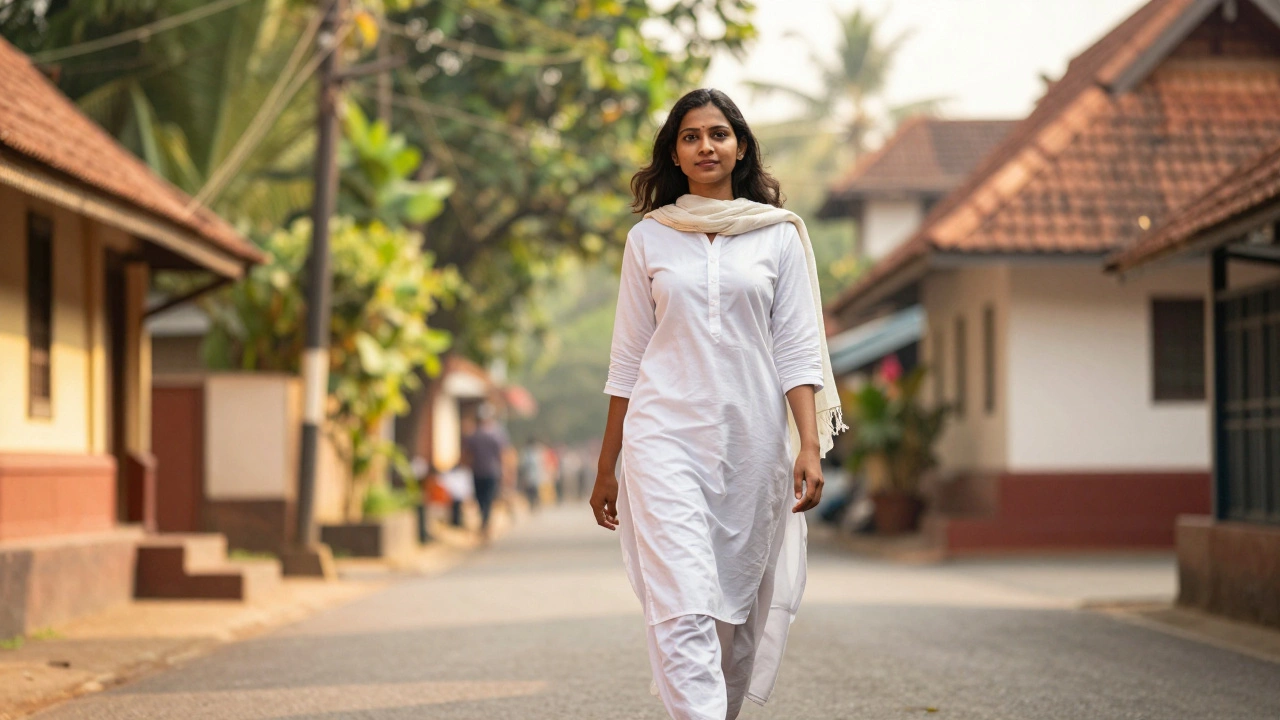
Think of your wardrobe as armor. It doesn’t mean you can’t look stylish, but prioritize coverage. A long kurta with palazzo pants is a local favorite for a reason-it’s comfortable, cool, and respectful.
Nighttime Safety: The Golden Rules
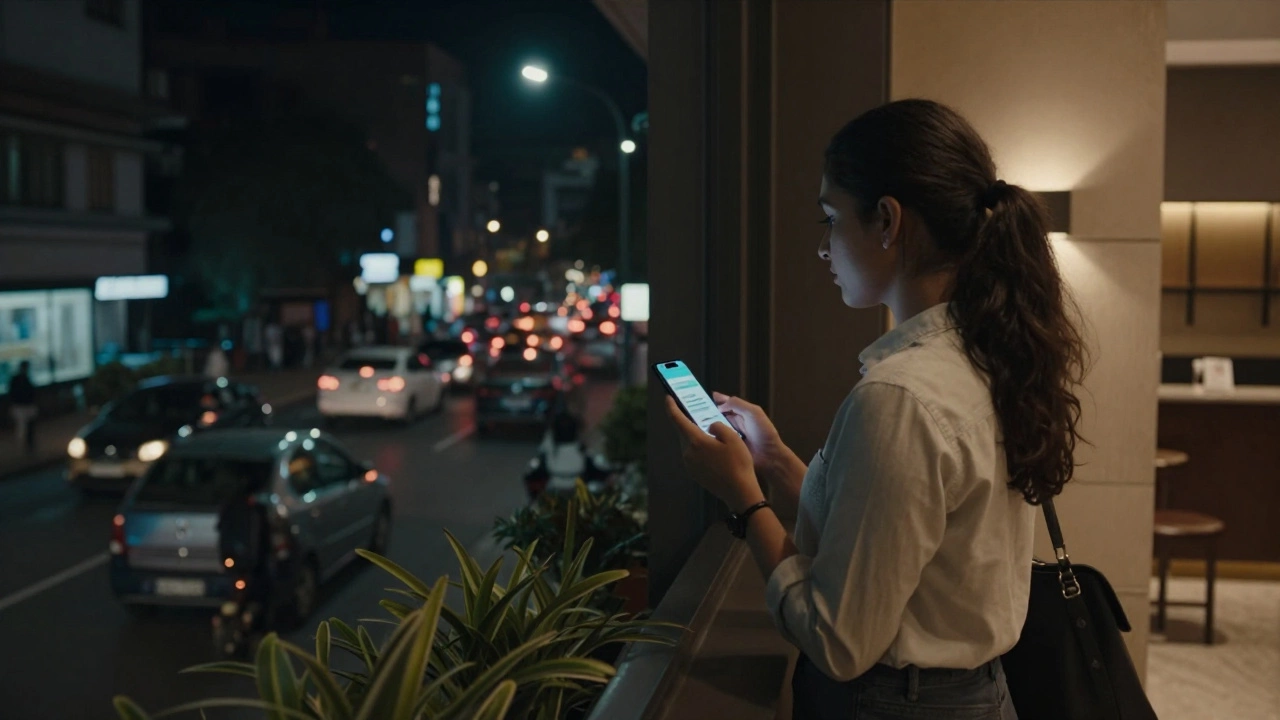
Nightlife in India exists, but it operates under different rules. Walking alone at night in any Indian city is generally discouraged, regardless of gender. Even in safe neighborhoods, the lighting can be poor, and street activity drops off sharply after 9 PM.
Here is how to handle nighttime logistics safely:
- Never walk home: If you are out dining or exploring, plan your return transport before you leave. Do not assume you can find a taxi or auto-rickshaw easily.
- Use App-Based Cabs Only: Services like Ola and Uber are lifelines for women in India. They provide driver details, route tracking, and SOS buttons. Avoid hailing random taxis or auto-rickshaws on the street at night.
- Share your location: Always share your live location with a friend or hostel mate when you are heading out.
- Stay in well-lit areas: If you must wait for a cab, do so inside a shop, hotel lobby, or restaurant. Never wait on a dark street corner.
Accommodation: Choosing Your Base Wisely
Where you sleep makes a huge difference in your peace of mind. While budget hostels are great for meeting people, not all are created equal. Look for hostels that have female-only dorms and good reviews specifically mentioning safety from other female travelers.
In smaller towns, guesthouses run by families are often safer and more secure than anonymous hotels. Family-run establishments tend to look out for their guests, especially women. Ask around at your current accommodation for recommendations for the next town. Local advice is gold.
When booking, check if the property has 24-hour reception, CCTV cameras, and secure locks on rooms. These aren’t just luxuries; they are essential safety features.
Navigating Interactions: Confidence vs. Confrontation
How you carry yourself matters. Indians are generally warm and helpful, but they can also be pushy. Learning to say "no" firmly without apologizing is a skill you’ll master quickly. A polite but firm "No, thank you" repeated twice is usually enough. If someone persists, walk away. Do not engage in arguments.
Trust your gut. If a situation feels off, leave. You don’t owe anyone an explanation. Many women report that projecting confidence-even if you’re feeling scared internally-deters potential harassers. Walk with purpose, keep your head up, and avoid looking lost. If you need directions, ask a shopkeeper or a group of women rather than a lone man on the street.
Connectivity and Emergency Resources
Staying connected is non-negotiable. Buy a local SIM card upon arrival (Airtel and Jio are reliable). Having data allows you to use maps, call cabs, and stay in touch with friends. Download offline maps of your area in case signal drops.
Save these emergency numbers in your phone:
- 112: Single emergency number for Police, Ambulance, and Fire services.
- 1091: Women’s Helpline (available 24/7 across most states).
- Your Embassy Number: Keep the contact details of your country’s embassy or consulate handy.
Also, consider installing apps like 'Sahayog' or using the built-in safety features in Uber/Ola. These tools can send your location to trusted contacts with one tap.
Final Thoughts: Empowerment Through Preparation
Is it safe for a girl to travel in India? Yes, absolutely. But it requires a shift in mindset. You cannot travel passively here. You must be active, aware, and prepared. The rewards-a deep connection with history, incredible food, and some of the kindest people you’ll ever meet-are worth the effort. By dressing modestly, using safe transport, choosing your destinations wisely, and trusting your instincts, you can navigate India with confidence and joy. Don’t let fear stop you, but let wisdom guide you.
Can a girl travel alone in India?
Yes, many women travel solo in India successfully. It requires planning, situational awareness, and adherence to safety guidelines like using app-based cabs and dressing modestly. Regions like Kerala, Rajasthan, and Ladakh are particularly popular and safe for solo female travelers.
What should I wear to stay safe in India?
Dress modestly to reduce unwanted attention. Cover your shoulders, chest, and knees. Loose-fitting cotton clothes like kurtas, palazzos, or maxi skirts are ideal. Carry a scarf for covering your head in religious sites and for extra coverage when needed.
Is Delhi safe for female tourists?
Delhi is a major tourist hub with many safe areas, but it requires higher vigilance than other parts of India. Avoid walking alone at night, stick to well-populated tourist zones, and always use app-based cabs like Uber or Ola for transportation after sunset.
How do I deal with staring or harassment?
Most staring is curiosity, but if it becomes harassment, ignore it and move away. Do not engage in arguments. Project confidence, maintain eye contact briefly to show you are aware, and then continue on your way. If threatened, seek help from nearby shops or police stations.
What are the safest places in India for women?
Kerala, Himachal Pradesh, Ladakh, Rajasthan (tourist circuits), and Goa (specifically South Goa) are widely regarded as the safest destinations for women. These areas have strong tourism infrastructure and communities accustomed to hosting international visitors.