How to Refer to People from India Respectfully: A Guide to Terms and Etiquette
 Apr, 21 2026
Inclusive Language Guide: Terminology Checker
How to use: Select a term below to see its current social status, the appropriate context for its use, and a professional tip for better communication.
Term Analysis
Click on a term above to analyze its usage and appropriateness.
Главные выводы:
- "Indian" is the standard, respectful, and correct term for citizens of India.
- Avoid outdated colonial terms or overly broad descriptors like "Oriental."
- Context matters: specifying a region or language (e.g., Punjabi, Tamil) shows deeper respect.
- Focus on the individual's preference rather than making assumptions based on appearance.
The gold standard: Using the word Indian
If you're looking for the most respectful word for Indian people, the answer is surprisingly simple: Indian is the official and widely accepted demonym for a citizen of the Republic of India. It is not offensive, it is not a slur, and it is the term used by the government, the media, and the people themselves. Whether you are talking about a colleague, a friend, or a historical figure, saying "He is Indian" or "They are Indians" is perfectly appropriate.
Why do people overthink this? Often, it's because of the complex history of colonialism or the fear of accidentally using a term that sounds reductive. But in the modern world, identifying with one's nationality is a point of pride. For most, "Indian" encapsulates a shared identity that spans thousands of miles and dozens of languages. It's a broad brush, sure, but it's the one that belongs to the people of the country.
Avoiding the pitfalls: Terms to skip
While "Indian" is safe, there are some terms that you should steer clear of because they carry historical baggage or feel dehumanizing. For example, the word Oriental was common in the mid-20th century, but today it's considered archaic and often offensive. It treats people as an exotic "other" rather than as individuals. It's a term of observation from the outside, not an identity from the inside.
Then there's the confusion with "Native American" or "American Indian." While these terms are used in the United States, using them to describe someone from the South Asian subcontinent is confusing and incorrect. If you are in a global context, keep the distinction clear. A person from New Delhi is an Indian; a member of the Navajo nation is a Native American. Mixing these up doesn't usually cause a huge fight, but it shows a lack of geographical awareness that can come across as dismissive.
| Term | Status | Context/Reason |
|---|---|---|
| Indian | Recommended | Standard, respectful nationality term. |
| South Asian | Recommended | Inclusive of India, Pakistan, Bangladesh, etc. |
| Desi | Informal/Internal | Used within the community; use with caution if outside. |
| Oriental | Avoid | Outdated, colonial, and exoticizing. |
Going deeper: When to use South Asian or Desi
Sometimes, "Indian" might be too narrow, or you might be talking to someone who doesn't feel fully represented by a single national label. This is where South Asian comes in. This is a geographic and cultural term that includes people from India, Pakistan, Bangladesh, Sri Lanka, Nepal, and Bhutan. If you're at a dinner party with people from three different neighboring countries, calling them "South Asians" is the most accurate and respectful way to group them without erasing their specific national identities.
Then there is the word Desi. You'll hear this a lot in movies or in conversations between young people in the diaspora. It comes from the Sanskrit word "desh," meaning country. It's a term of endearment and cultural connection. However, a rule of thumb is that "Desi" is an insider term. If you aren't from the region, using it can sometimes feel like you're trying too hard to be "in," or it can come off as overly familiar. It's better to stick to "Indian" or "South Asian" until you have a close relationship with the person.
The power of specificity: Regions and Languages
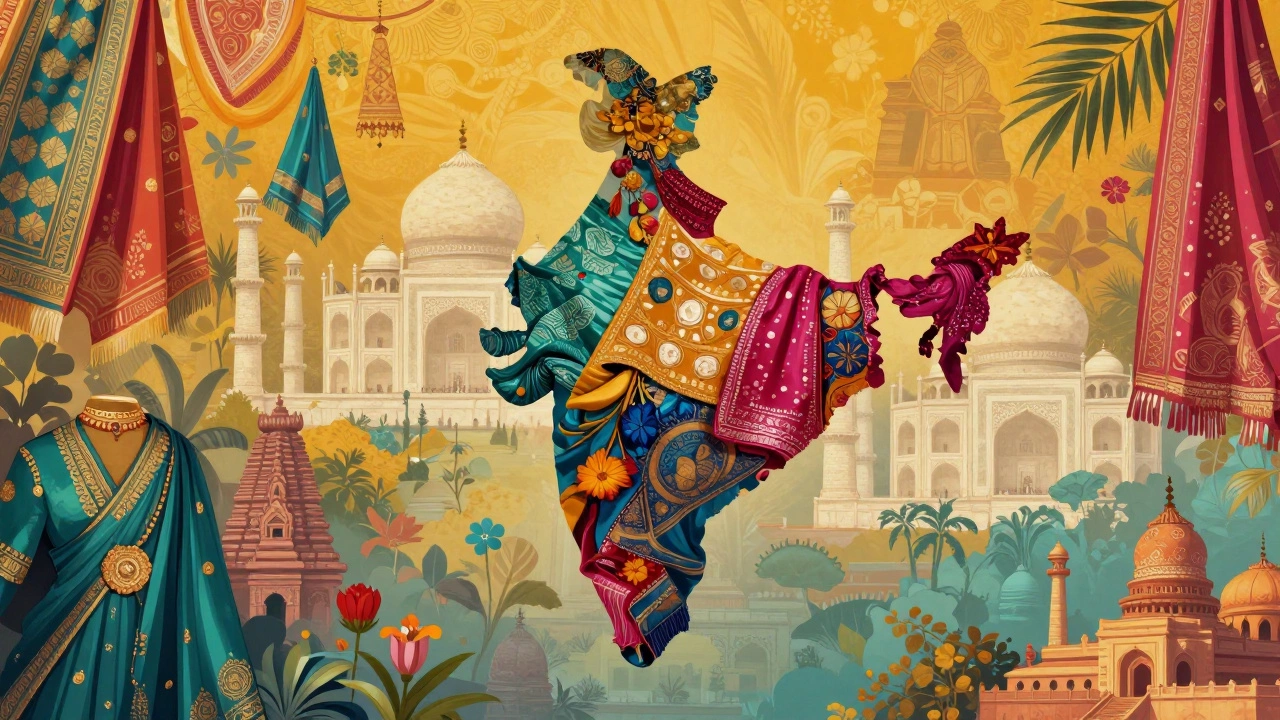
If you really want to show respect and cultural intelligence, move beyond the national label. India is practically a continent disguised as a country. Someone from the north in Punjab has a vastly different linguistic and cultural experience than someone from the south in Tamil Nadu. When you ask, "Which part of India are you from?" and then use that specific region or language to describe them, you're acknowledging the actual complexity of their identity.
For instance, calling someone a Bengali (from West Bengal) or a Malayali (from Kerala) shows that you recognize that "Indian" is an umbrella term. It's the difference between saying "I like food from Europe" and saying "I love Italian pasta." One is a general observation; the other is a specific appreciation. People generally love it when you recognize the nuance of their home state.
Handling the "Where are you really from?" conversation
Respect isn't just about the words you use, but how you use them. A common pitfall is the "double question." This happens when someone says they are from New York, and the other person asks, "No, but where are you *really* from?" Even if you use the word "Indian" in your head, the implication of this question is that the person doesn't truly belong in their current country because of their ethnicity.
The respectful way to handle this is to let the person define themselves. If they say they are American, they are American. If they want to share their Indian heritage, they will. Respect is found in the space where you allow people to own their identity. If you are curious about their roots, it's better to ask, "What's your family's background?" This is an open-ended question that allows them to say "I'm Indian-American" or "My parents are from Delhi" without feeling like they're being interrogated about their legitimacy as a citizen.

Practical tips for inclusive language
If you're writing a professional email, a speech, or just chatting at a cafe, keep these simple rules of thumb in mind to ensure you stay respectful:
- Prioritize self-identification: If you're unsure, it's okay to ask, "How do you prefer to describe your background?" Most people appreciate the courtesy.
- Avoid assumptions: Don't assume everyone who looks Indian speaks Hindi. Many speak Tamil, Telugu, Kannada, or English as their primary language.
- Use active listening: If someone corrects you on a term, just apologize briefly and use the new term. Don't spend ten minutes explaining why you thought the old term was okay; that shifts the focus to your feelings rather than their identity.
- Avoid stereotypes: Respectful language is ruined if it's paired with tropes. Calling someone "Indian" while making a joke about call centers or spicy food cancels out the respect of the label.
Is it offensive to call someone an Indian?
No, it is not offensive. "Indian" is the standard and correct term for a person from India. It is a neutral descriptor of nationality and is used globally in official and social contexts.
What is the difference between Indian and South Asian?
"Indian" refers specifically to people from the country of India. "South Asian" is a broader regional term that includes people from India, Pakistan, Bangladesh, Sri Lanka, Nepal, Bhutan, and the Maldives.
Can I use the word "Desi" if I am not Indian?
While not strictly forbidden, "Desi" is primarily an endonym (a name used by a group for themselves). If you are not from South Asia, it's usually safer to use "Indian" or "South Asian" unless you are very close with the person and know they are comfortable with it.
Should I use the term "Hindu" to describe someone from India?
No, unless you know for a fact that they practice Hinduism. "Hindu" is a religious identity, whereas "Indian" is a national identity. There are millions of Indian Muslims, Christians, Sikhs, Buddhists, and Jains.
What is a more polite word than "Oriental"?
Depending on the context, use "Asian," "South Asian," or the specific nationality like "Indian." "Oriental" is considered outdated and offensive because of its association with colonial-era stereotyping.
Next steps for better communication
If you've realized you've used an outdated term in the past, don't spiral into guilt. The best way to move forward is simply to use the correct terms starting now. If you're working in a corporate environment, you might want to look into "Inclusive Language Guides" which often provide updated terminology for various ethnicities and backgrounds.
For those who want to learn more about the cultures of the region, try reading literature from authors based in the different states of India. Understanding the difference between the vibe of a city like Mumbai and a city like Chennai will naturally make your language more specific and respectful. The more you learn about the actual people, the less you'll have to rely on a dictionary to find the "right" word.