How to Cool Your Attitude: Indian Wisdom for Staying Calm and Confident
 May, 27 2026
Cool Attitude Simulator & Trainer
Select a common trigger to see how to transform a hot reaction into a cool response.
HOT REACTION (Avoid)
COOL RESPONSE (Adopt)
Use this tool when you feel your temperature rising. Follow the breathing pattern to engage your rational brain.
Technique: Inhale (2s) -> Hold (2s) -> Exhale (2s)
Ever walked into a room feeling like you own the place, only to realize your aggression is pushing everyone away? We’ve all been there. In India, where social dynamics are tight-knit and respect is currency, having an "attitude" often gets confused with being disrespectful or hot-headed. But true coolness isn’t about being cold; it’s about being unshakable. It’s the difference between shouting to be heard and speaking so calmly that people lean in to listen.
If you’re looking to transform your sharp edges into smooth confidence, you need more than just good intentions. You need strategy. This guide breaks down how to cool your attitude using practical steps rooted in Indian cultural wisdom and modern psychology, helping you command respect without raising your voice.
The Myth of the "Angry Boss" Persona
In many parts of Indian corporate culture, there’s a lingering belief that authority equals volume. You see it in movies too-the hero who screams at his enemies looks powerful. But in reality, this persona is fragile. When you react with anger, you hand over control to the person who triggered you. They get under your skin, and now they dictate your mood.
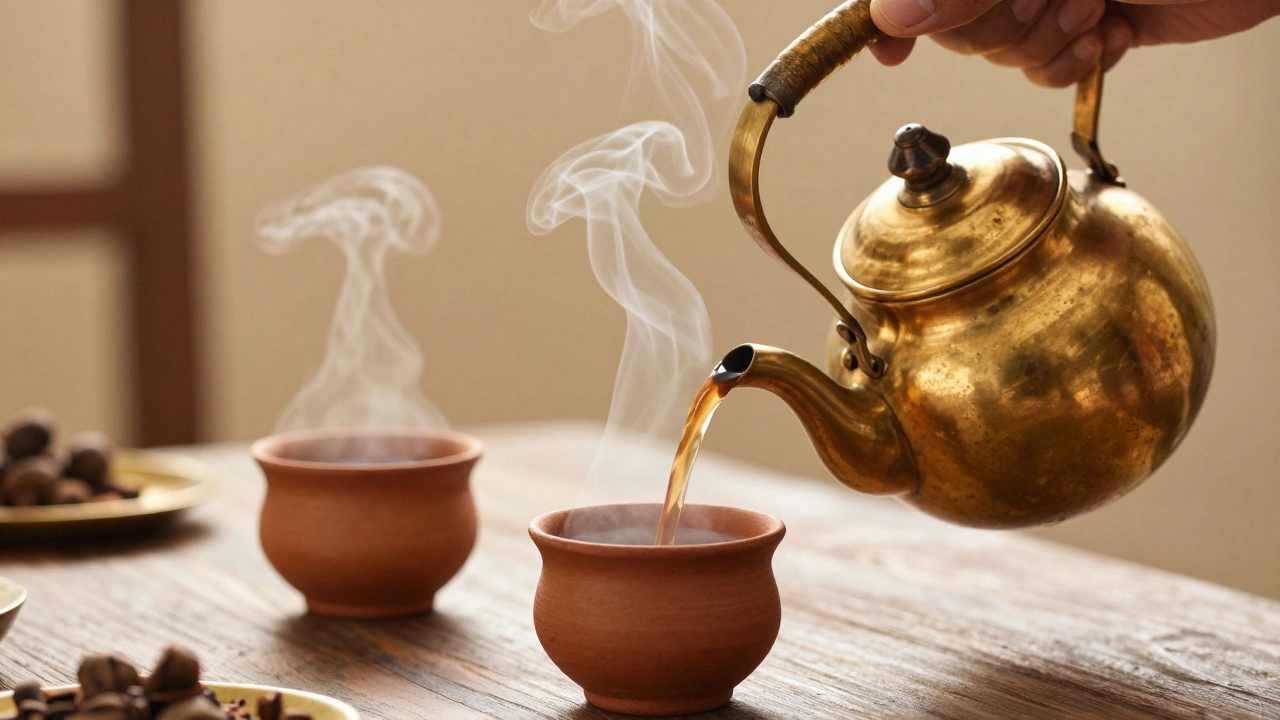
Cooling your attitude means taking that power back. It’s not about suppressing emotions; it’s about processing them before they spill out. Think of it like tea brewing. If you boil the water too fast, you burn the leaves. If you let it steep gently, you get flavor. Your reactions should be steeped, not boiled.
- Reactivity vs. Responsiveness: Reactivity is automatic (anger, defensiveness). Responsiveness is chosen (calm analysis, measured reply).
- The Cost of Heat: High-emotion interactions damage long-term relationships and professional reputation.
- The Power of Silence: In Indian tradition, silence is often seen as strength, not weakness.
Root Causes: Why Do We Get Hot-Headed?
Before we can fix the output, we need to check the input. Most of us get heated because of three main triggers: ego protection, lack of clarity, and physical stress. Let’s look at these through an Indian lens.
First, Ego (Ahankar). In our society, saving face is huge. If someone criticizes you in front of others, your brain registers it as a threat to your status. The immediate response is to fight back. But ask yourself: Is defending your image worth losing your composure?
Second, ambiguity. When instructions are vague or expectations aren’t set, frustration builds up like pressure in a cooker. Instead of releasing the steam slowly, you blow the whistle.
Third, basic biology. Are you hungry? Tired? Dehydrated? In Delhi traffic, sitting stuck for two hours raises cortisol levels naturally. If you add a rude driver to that mix, explosion is likely. Cooling your attitude starts with managing your physical state.
| Trigger | Hot Reaction | Cool Response |
|---|---|---|
| Criticism in public | Immediate counter-attack | Note it, discuss privately later |
| Unclear tasks | Frustration/Sighing loudly | Ask clarifying questions calmly |
| Physical discomfort | Irritability towards others | Address needs (water/rest) first |

Practical Techniques to Lower Your Temperature
Knowing why you get angry is half the battle. The other half is having tools ready when the heat rises. Here are four actionable techniques that work whether you’re in a boardroom in Mumbai or arguing with family in a joint household.
- The 6-Second Pause: Neuroscientists say it takes about six seconds for your rational brain to catch up with your emotional brain. When you feel the surge, count to six. Breathe in for two, hold for two, exhale for two. This simple act interrupts the amygdala hijack.
- Reframe the Narrative: Instead of thinking “He is disrespecting me,” try “He is stressed and projecting.” This shift from judgment to curiosity reduces defensiveness instantly.
- Use “I” Statements: In Indian communication, we often use indirect language which leads to misunderstandings. Switch to direct but gentle “I” statements. “I feel frustrated when deadlines change last minute” is cooler and clearer than “You never plan properly!”
- Physical Grounding: Feel your feet on the floor. Notice the texture of your chair. This brings you out of your head and into the present moment, reducing anxiety-driven aggression.
Wisdom from Indian Philosophy
We have a rich heritage of teachings on emotional control. You don’t need to become a monk to benefit from them. Concepts from Yoga and Bhagavad Gita offer practical frameworks for daily life.
The Gita introduces the concept of Sthitaprajna-a person of steady wisdom. This person remains equanimous in success and failure, praise and blame. How do they do it? By detaching their self-worth from external outcomes. If you tie your happiness to getting a promotion, you’ll be miserable if you don’t get it. If you tie it to doing your best work, you remain stable regardless of the result.
Another key concept is Vairagya, or detachment. This doesn’t mean not caring. It means caring enough to do your duty, but not caring so much that you lose sleep over the results. Apply this to your attitude: Do your job well, treat people with respect, but detach from the need for constant validation.
Building Long-Term Emotional Resilience
Cooling your attitude isn’t a one-time fix; it’s a lifestyle upgrade. Just like going to the gym, consistency matters more than intensity. Here’s how to build resilience over time.
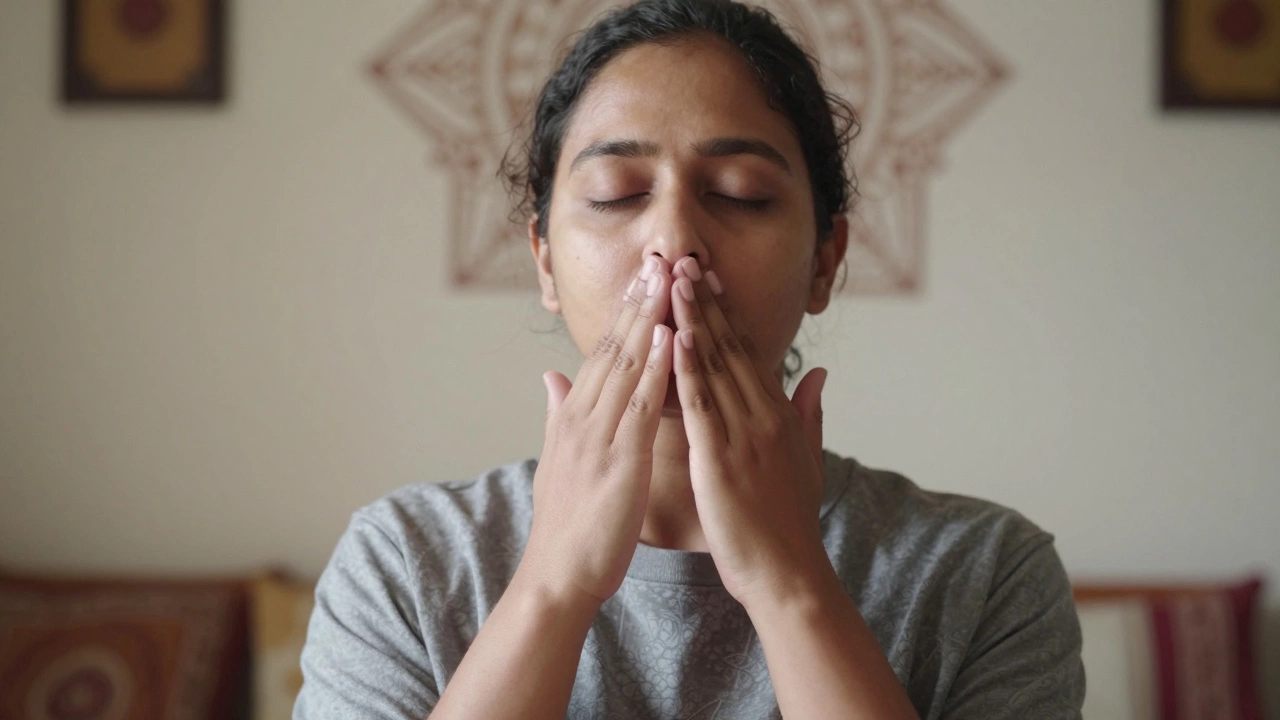
Start with mindfulness. Even five minutes of meditation a day can rewire your brain to respond rather than react. Apps like Headspace or Insight Timer can help, but traditional breathing exercises (Pranayama) like Nadi Shodhana (alternate nostril breathing) are highly effective for balancing the nervous system.
Next, audit your environment. Who are you spending time with? If your friends glorify drama and aggression, you’ll absorb that energy. Surround yourself with people who model calm confidence. Observe how they handle conflict. Mimic their pauses, their tone, and their body language.
Finally, practice self-compassion. You will slip up. You will snap at someone. That’s okay. The goal isn’t perfection; it’s progress. Acknowledge the mistake, apologize if needed, and reset. Every time you choose calm over chaos, you strengthen that neural pathway.
When to Seek Professional Help
Sometimes, anger runs deeper than bad habits. If you find yourself frequently exploding over minor issues, damaging relationships, or feeling physically ill from stress, it might be time to talk to a professional. Therapies like Cognitive Behavioral Therapy (CBT) are highly effective for anger management.
In India, mental health stigma is decreasing, especially among younger generations. Seeking help is a sign of strength, not weakness. A therapist can help you uncover underlying trauma or anxiety that fuels your irritability.
Is having a strong attitude bad?
No, having a strong attitude-meaning confidence and self-respect-is good. However, if "attitude" manifests as aggression, arrogance, or disrespect, it becomes toxic. The goal is to maintain inner strength while expressing outer kindness.
How can I stop getting angry easily?
Identify your triggers, practice the 6-second pause, and engage in regular mindfulness or yoga. Understanding that anger is often a secondary emotion masking fear or hurt can also help you address the root cause.
What does "cool attitude" mean in Indian context?
In an Indian context, a cool attitude implies maintaining dignity and composure despite provocation. It aligns with values of patience (Dhairya) and non-violence (Ahimsa) in speech and action, earning respect through behavior rather than force.
Can reading attitude quotes help change my behavior?
Quotes can serve as reminders and inspiration, but they won’t change behavior on their own. They work best when paired with active practices like journaling, reflection, and real-world application of the principles they describe.
How do I handle rude people without losing my cool?
Respond with empathy or indifference. Often, rude behavior stems from someone else’s pain. You can say, "I hear you're upset," or simply disengage. Remember, you cannot control others, only your reaction to them.