Do They Say 'I Love You' in India? A Guide to Expressing Affection Across Cultures
 Jul, 28 2026
Indian Love Language Calculator
Discover how affection is expressed in India based on generation, region, and relationship type.
Result:
Primary Mode:
Verbal Frequency:
Common Phrase:
Cultural Note:
Picture this: You’re on a date with someone from India, the dinner is perfect, the conversation flows, and you lean in to say, "I love you." Instead of a reciprocal declaration, they smile awkwardly or change the subject. Did you mess up? Not necessarily. In a country as vast and diverse as India, the phrase "I love you" carries different weights depending on where you are, who you are talking to, and how old your partner is.
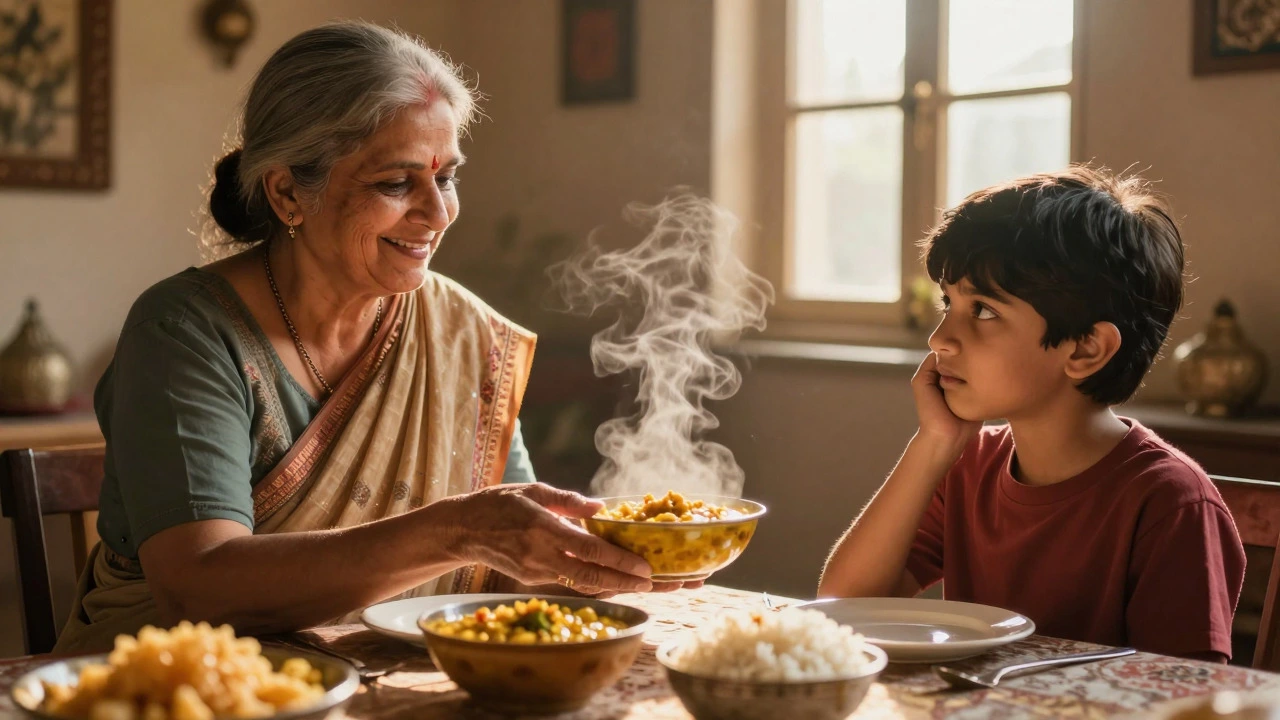
For many foreigners, the silence feels like rejection. But for millions of Indians, affection isn’t spoken; it’s served in a bowl of dal, checked on via three WhatsApp messages an hour, or shown by remembering exactly how you take your chai. Understanding how to express love in India requires looking past the Hollywood script and diving into the nuanced reality of Indian relationships.
The Generational Divide: Boomers vs. Gen Z
If you ask a 60-year-old couple in Delhi if they ever say "I love you," they might look at you like you’ve grown a second head. For older generations, love is synonymous with duty (seva) and sacrifice. It is demonstrated through action, not words. A father showing love might fix your bike chain without being asked. A mother shows it by forcing you to eat two extra helpings of rice because she thinks you’re too thin.
However, jump forward thirty years, and the landscape changes dramatically. With the rise of globalization, streaming services, and social media, younger Indians-particularly those in metros like Mumbai, Bangalore, and Delhi-are far more comfortable with verbal affirmations. For Gen Z and Millennials, "I love you" is part of the daily vocabulary, especially in romantic contexts. The key difference lies in expectation: while Westerners often expect immediate verbal reciprocity, many young Indians still blend modern verbal expressions with traditional acts of service.
Romantic Love: When and How Words Are Used
In romantic relationships, the rules are shifting rapidly but remain complex. In arranged marriages, which still account for a significant portion of unions in India, partners may not have said "I love you" before getting married. Here, love is expected to grow over time through shared responsibilities and family bonding. Saying it early can sometimes feel premature or even presumptuous.
In love marriages or dating scenarios, the dynamic is different. Young couples do say "I love you," but there is often a cultural hesitation around public displays of affection (PDA). While holding hands might be acceptable in some urban pockets, shouting declarations of love in public is rare and often frowned upon. Intimacy in India tends to be private. The verbal expression of love is reserved for late-night calls, intimate moments at home, or heartfelt letters.
Furthermore, the timing matters. In many Indian families, rushing to label feelings can create pressure. There is an unspoken rule of "showing interest" first. This involves consistent communication, meeting family approval, and demonstrating stability. Only when these foundations are laid does the verbal confirmation of love carry its full weight.
Family Bonds: The Silent Language of Care
When it comes to family, the phrase "I love you" is rarely used between parents and children in traditional households. If a son says "I love you" to his mother, she might respond with, "Did you drink your milk?" or "Why didn’t you call last night?" This isn’t coldness; it’s a different dialect of care.
In Indian culture, familial love is expressed through:
- Feeding: Offering food is the ultimate sign of affection. If an Indian auntie feeds you until you’re bursting, she loves you.
- Nagging: Constant questions about your health, safety, and marriage prospects are viewed as signs that you matter to them.
- Sacrifice: Parents often prioritize their children’s education and career over their own comfort. This financial and emotional investment is the loudest declaration of love.
Interestingly, among siblings and close friends, especially in South India and among diaspora communities, verbal affirmations are becoming more common. Yet, even here, actions speak louder. A brother driving you to the airport at 3 AM without complaining is saying "I love you" louder than any text message could.

Regional Nuances: North vs. South vs. West
India is not a monolith. Cultural attitudes toward expressing affection vary significantly by region.
| Region | Cultural Tendency | Common Expression Style |
|---|---|---|
| North India (Hindi Belt) | Emotional but restrained publicly | Use of terms like "Jaana" (Darling) or "Priya" (Beloved); strong emphasis on family duty |
| South India (Tamil, Telugu, etc.) | Reserved and formal | Less use of English phrases; preference for local language terms; high value on respect and hierarchy |
| West India (Mumbai/Pune) | Modern and cosmopolitan | Higher acceptance of PDA; "I love you" is common in urban youth culture |
| East India (Kolkata/Bengal) | Poetic and intellectual | Expression through literature, art, and deep conversation rather than direct statements |
For instance, in Kerala (South), relationships tend to be more reserved due to conservative social norms. In contrast, Mumbai (West) is a melting pot where global influences make verbal expressions of love more normalized. Understanding these regional differences prevents misinterpretation of silence as disinterest.
Alternative Ways Indians Say "I Love You"
If you want to connect with an Indian partner or friend, learning the local equivalents of "I love you" can bridge the gap. These phrases carry cultural weight and intimacy that the English translation lacks.
- Hindi: "Tumse Pyaar Hai" (I love you) or simply "Pyaar Karata/Hoon". More casually, "Tu Mera Jaana Hai" (You are my beloved).
- Tamil: "Nee Enakku Pirai" (You are my life) or "Enakku Neeyum Pirai" (I love you).
- Telugu: "Nuvvu Nenu Kooda" (You and me together) or "Naa Prema" (My love).
- Malayalam: "Njan Ninne Preyichittunnu" (I love you).
- Kannada: "Naanu Ninnindledu" (I love you).
- Bengali: "Ami Tomake Bhalobashi" (I love you).
Using these native phrases shows effort and respect. However, pronunciation matters. Mispronouncing a term of endearment can lead to humorous misunderstandings, so practice is key. Also, note that using English "I love you" is widely understood in urban areas, but native phrases often hit deeper emotionally.
The Role of Family Approval
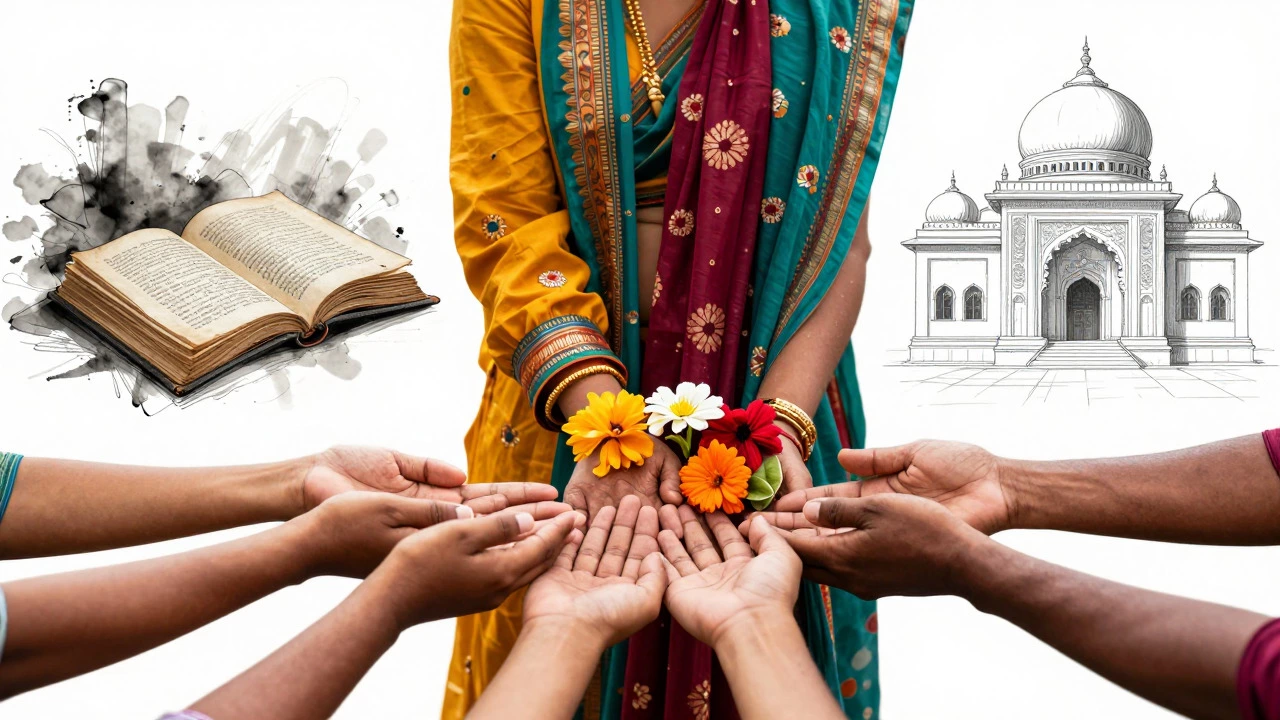
In India, love doesn’t exist in a vacuum. It exists within the context of the family unit. Saying "I love you" to a partner often implies a commitment to their family as well. This adds a layer of seriousness to the phrase. It’s not just a romantic gesture; it’s a social contract.
This is why many Indians hesitate to say it too early. Until the families are introduced and approve, the relationship is often considered "incomplete." The fear of judgment or rejection from elders can suppress verbal expressions of love. Once the families are on board, however, the freedom to express affection verbally increases significantly.
Navigating Misunderstandings
If you are dating an Indian, avoid taking silence personally. Ask open-ended questions about their comfort level with verbal affirmation. Do they prefer acts of service? Quality time? Physical touch? Tailor your approach to their love language, which may differ from yours.
Also, be mindful of public behavior. What feels natural in New York or London might cause embarrassment in a joint family setting in Punjab. Respect these boundaries, and you’ll find that the underlying affection is just as strong, even if it’s quieter.
Conclusion: Love Beyond Words
So, do they say "I love you" in India? Yes, increasingly so, especially among the young and urban. But it is only one piece of a larger puzzle. In India, love is a verb. It is cooked, cleaned, sacrificed for, and protected. While words are gaining ground, the heart of Indian affection remains rooted in action. By understanding this balance, you can navigate relationships with greater empathy and connection, regardless of whether the words are spoken aloud.
Is it rude to say "I love you" to an Indian parent?
Not at all, but it might surprise them. Older generations may not know how to respond verbally. They will likely show appreciation through increased care or cooking your favorite meal. It is a sweet gesture, but don't expect a reciprocal "I love you" immediately.
What is the most common way Indians express love to their spouses?
Acts of service are the most common. This includes managing household duties, supporting career goals, and caring for each other's health. Verbal expressions are growing in popularity but often coexist with these practical demonstrations of care.
Can I say "I love you" on the first date in India?
It is generally advised against. It can come across as too intense or insincere. Most Indians prefer to build trust and familiarity over several interactions before using such strong words. Let the relationship develop naturally.
How do Indian teenagers express love?
Indian teenagers are heavily influenced by global pop culture and social media. They frequently use "I love you" in texts and chats. However, due to parental scrutiny, these expressions are often kept private on digital platforms rather than in person.
Does "I love you" mean marriage in India?
Traditionally, yes. In many conservative circles, declaring love implies intent to marry. In modern, urban settings, it is more akin to Western usage, indicating strong romantic feelings without an immediate marriage proposal. Context and family background determine the weight of the phrase.